
Methylprednisolone (Medrol) can interact with various medications and certain supplements. These interactions may influence how effectively the drug works or increase the likelihood of unwanted side effects. If you’ve ever wondered, Can you take steroids and antibiotics together, understanding how methylprednisolone interacts with other substances is an important first step.

Methylprednisolone oral tablet is a generic prescription medication used to treat numerous conditions in adults and children. Examples include certain:
- autoimmune conditions, such as lupus and rheumatoid arthritis
- eye conditions, such as keratitis and shingles in the eye
- blood conditions, such as idiopathic thrombocytopenic purpura and hemolytic anemia
Methylprednisolone is also available under the brand name Medrol.
A drug interaction happens when one substance changes the way another substance acts in your body. Interactions may also occur due to specific health conditions you have. Keep reading to learn about potential methylprednisolone interactions, including important considerations if you’re asking, Can you take steroids and antibiotics together safely.
Does methylprednisolone interact with other drugs?
Before beginning methylprednisolone, inform your doctor and pharmacist about all prescription medications, over-the-counter drugs, and other products you use. Sharing this information can help reduce the risk of harmful interactions. (To find out whether methylprednisolone interacts with herbs, vitamins, or supplements, see the “Are there other interactions with methylprednisolone?” section.)

If you have concerns about drug interactions that may apply to you, speak with your doctor or pharmacist.
The table below outlines medications that may interact with methylprednisolone. This list does not include every possible interaction. For additional details, see the “Drug interactions explained” section.
| Drug group or drug name | Drug examples | What can happen |
|---|---|---|
| diabetes drugs | • glipizide (Glucotrol XL)• glyburide (Diabeta, Glynase)• metformin (Fortamet, Glumetza) | can make the diabetes drug less effective |
| diuretics | • furosemide (Furoscix, Lasix)• hydrochlorothiazide (Inzirqo, Microzide)• spironolactone (Aldactone, Carospir) | may cause low blood potassium levels |
| estrogens | • conjugated estrogens (Premarin)• estradiol (Vagifem)• ethinyl estradiol/levonorgestrel (Seasonale, Seasonique, others) | can increase the risk of methylprednisolone’s side effects |
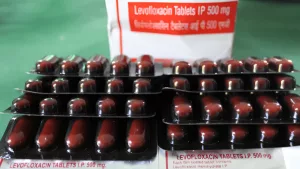
| fluoroquinolone antibiotics | • ciprofloxacin (Cipro)• levofloxacin• moxifloxacin | can increase the risk of tendon problems |
| nonsteroidal anti-inflammatory drugs (NSAIDs) | • ibuprofen (Advil, Aleve)• meloxicam (Qamzova, Xifyrm)• naproxen (Aleve, Naprosyn, others) | can increase the risk of gastrointestinal bleeding |
| diltiazem (Cardizem, Tiazac) | — | can increase the risk of methylprednisolone’s side effects |
| hydroxyurea (Hydrea, Siklos, others) | — | can increase the risk of infection |
| nefazodone | — | can increase the risk of methylprednisolone’s side effects |
| testosterone (Androgel, Testim, others) | — | may cause fluid retention |
| warfarin (Jantoven) | — | can make the blood thinner less effective or increase the risk of bleeding |
When should I avoid methylprednisolone?
Some medical conditions or factors may increase the risk of harm if you take methylprednisolone. These situations are referred to as contraindications. In such cases, your doctor may decide not to prescribe this medication. Below are key contraindications.
If you have a fungal infection: If you have a systemic fungal infection, your doctor will likely avoid prescribing methylprednisolone. Because the drug suppresses immune function, it could make the infection worse. Your healthcare provider can suggest alternative treatments that are safer for you.
If you’ve had an allergic reaction: If you’ve previously experienced an allergic reaction to methylprednisolone or any of its components, your doctor probably won’t prescribe it again. Re-exposure could trigger another allergic response. Ask your doctor about other suitable treatment options.
Before starting methylprednisolone, discuss your full medical history with your doctor to confirm whether this medication is appropriate for you.
Does methylprednisolone interact with alcohol?
Methylprednisolone is not known to directly interact with alcohol. However, both alcohol and methylprednisolone can cause similar side effects, including nausea, vomiting, and headache. Drinking alcohol during treatment may increase the chances of experiencing these effects.
If you’re unsure about alcohol use while taking this steroid, consult your doctor or pharmacist.
Drug interactions explained
Below is more detailed information about certain interactions that can occur with methylprednisolone, including issues relevant to people asking, Can you take steroids and antibiotics together for infections or inflammatory conditions.
Interaction with diabetes drugs
Methylprednisolone may interact with medications used to control blood sugar levels.
This steroid can increase blood glucose levels, potentially reducing the effectiveness of diabetes medications.
Examples of diabetes drugs that may interact include:
- glipizide (Glucotrol XL)
- glyburide (Diabeta, Glynase)
- metformin (Fortamet, Glumetza)
What you can do
If you use methylprednisolone along with a diabetes drug, your doctor may modify your diabetes treatment plan. Do not change your dosage unless directed by your healthcare provider. Regular blood sugar monitoring may also be recommended.
Interaction with estrogens
Methylprednisolone can interact with estrogens, which are used for purposes such as birth control and menopause symptom management.
Using estrogens with methylprednisolone may increase steroid levels in your body, raising the risk of side effects.
Examples include:
- conjugated estrogens (Premarin)
- estradiol (Vagifem)
- ethinyl estradiol/levonorgestrel (Seasonale, Seasonique, others)
What you can do
If you take both medications, inform your doctor if you develop severe or persistent side effects. Your provider can assess whether continuing both drugs is appropriate.
Interaction with warfarin
Methylprednisolone may interact with warfarin (Jantoven), a medication prescribed to treat and prevent blood clots.
Combining these drugs can produce variable outcomes. It may increase bleeding risk or make warfarin less effective.
What you can do
Speak with your doctor before using methylprednisolone and warfarin together. Close monitoring of blood clotting levels may be necessary.
Are there other interactions with methylprednisolone?
Methylprednisolone can also interact with supplements, foods, vaccines, and certain lab tests. Understanding these interactions is particularly important if you’re being treated for infection and wondering, Can you take steroids and antibiotics together as part of combination therapy. In some cases, doctors intentionally prescribe both—learn more about Why do doctors prescribe steroids with antibiotics.
Does methylprednisolone interact with supplements?
Before starting treatment, tell your doctor and pharmacist about any herbs, vitamins, or dietary supplements you use. This can help prevent avoidable interactions.

Methylprednisolone interactions with herbs
Methylprednisolone may interact with echinacea, an herb commonly used to support immune function.
Taking echinacea alongside methylprednisolone could reduce the steroid’s effectiveness.
Methylprednisolone and vitamins
There are currently no reports of interactions between methylprednisolone and vitamins. However, that does not guarantee that interactions won’t be identified in the future.
Does methylprednisolone interact with food?
Grapefruit and grapefruit juice may interact with methylprednisolone. These products can slow the breakdown of the drug in your body, potentially increasing side effects.
Ask your doctor whether you should avoid or limit grapefruit during treatment.
Does methylprednisolone interact with vaccines?
Methylprednisolone may interact with live vaccines.
Live vaccines contain weakened forms of bacteria or viruses. Receiving a live vaccine while taking methylprednisolone may raise your risk of infection.
Examples include measles, mumps, rubella (MMR), rotavirus, and chickenpox. Always consult your doctor before vaccination.
Does methylprednisolone interact with lab tests?
Methylprednisolone can affect certain skin test results, such as the tuberculosis (TB) skin test. It may produce a false-negative result for up to 6 weeks after your last dose.
If you require testing, inform the healthcare professional that you are taking or recently took methylprednisolone.
Does methylprednisolone interact with cannabis or CBD?There are currently no reports of methylprednisolone interacting with cannabis (commonly called marijuana) or cannabidiol (CBD). However, always speak with your doctor before combining cannabis products with any prescription medication.Note: Cannabis is illegal at the federal level, but it’s legal in many states to varying degrees.
Does my health history affect whether I should take methylprednisolone?
Your medical history can influence whether methylprednisolone is suitable for you. Discuss the following conditions with your doctor before starting treatment:
Myasthenia gravis: The drug may worsen muscle weakness associated with this condition.
Underactive thyroid: This may increase your risk of side effects. Dose adjustments could be necessary.
Mental health conditions: Methylprednisolone can exacerbate certain psychiatric symptoms, including depression.
Osteoporosis: Long-term steroid use may worsen bone loss.
High blood pressure: The drug may raise blood pressure levels.
Eye problems: Extended use may aggravate cataracts and glaucoma.
Digestive problems: Conditions such as diverticulitis and peptic ulcers may worsen.
Cirrhosis: This condition may increase the likelihood of side effects.
Infection: Because methylprednisolone suppresses the immune system, it can worsen existing infections or increase susceptibility to new ones, including chickenpox. If you are being treated for bacterial infections, you may also want to understand What is amoxicillin and prednisone used for when these drugs are prescribed together.
Pregnancy: It’s unknown whether methylprednisolone is safe during pregnancy. Consult your doctor.
Breastfeeding: It’s unclear whether the drug is safe while breastfeeding. Discuss risks and benefits with your healthcare provider.
Allergic reaction: A past allergic reaction to methylprednisolone means it likely won’t be prescribed again.
How can I prevent interactions?
You can lower your risk of interactions by taking proactive steps. Before starting methylprednisolone, review the following with your doctor and pharmacist:
- whether you consume alcohol or use cannabis
- the list of medications you take, including supplements and herbs
- what to do if a new medication is added during treatment
Carefully read the drug’s label and other paperwork. These materials may highlight interaction warnings.
If you did not receive written information, ask your pharmacist for a copy. If anything is unclear, your healthcare provider can clarify.
Finally, take methylprednisolone exactly as prescribed to help reduce the risk of complications.
Disclaimer: HealthEH has made every effort to ensure that all information is accurate, comprehensive, and current. However, this article should not replace professional medical advice. Always consult a licensed healthcare provider before starting or changing any medication. Drug information may change and is not intended to cover all possible uses, directions, precautions, warnings, interactions, allergic reactions, or adverse effects. The absence of specific warnings does not mean a drug or drug combination is safe or appropriate for every individual.



















Leave a Reply
You must be logged in to post a comment.