

In the earliest phases of lung cancer, there may be no clear or noticeable symptoms. Even so, timely screening can make a meaningful difference for individuals who carry significant risk factors.
Lung cancer does not always cause obvious warning signs at first, and many people are diagnosed only after the condition has progressed. Still, some individuals do notice subtle early changes. Understanding How I knew I had lung cancer often begins with recognizing these small but persistent symptoms and knowing when to seek medical advice.
Below, we explore early lung cancer symptoms, how they may feel in real life, and how screening can support earlier detection if you’re considered high risk.

Early signs and symptoms of lung cancer
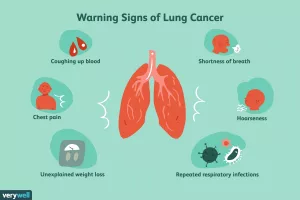
Early-stage lung cancer may present with the following symptoms:
- a cough that doesn’t go away or gets worse
- coughing up blood or rust-colored sputum (mucus)
- shortness of breath or wheezing
- chest pain that worsens with deep breathing, coughing, or laughing
- hoarse or raspy voice
- unexplained weight loss and loss of appetite
- feeling very tired or weak
1. A cough that won’t quit or changes
Pay close attention to a new cough that lingers. A cough from a cold or respiratory infection typically improves within a week or two. However, a persistent cough that doesn’t resolve may be one of the earliest clues in understanding How I knew I had lung cancer.
If you already have a chronic (long-term) cough, especially if you smoke or have a history of smoking, monitor for noticeable changes.
Contact a doctor promptly if your cough:
- lasts longer than usual
- occurs more frequently
- sounds deeper or becomes hoarse
- brings up blood or rust-colored mucus
- produces more mucus than before
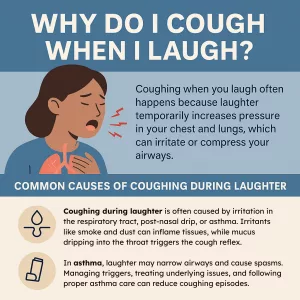
Some people also describe changes in the Lung cancer cough sound, noting it feels harsher, more persistent, or different from a typical smoker’s cough. Others may notice discomfort triggered by laughter, similar to what’s discussed in Cough when laughing cancer.
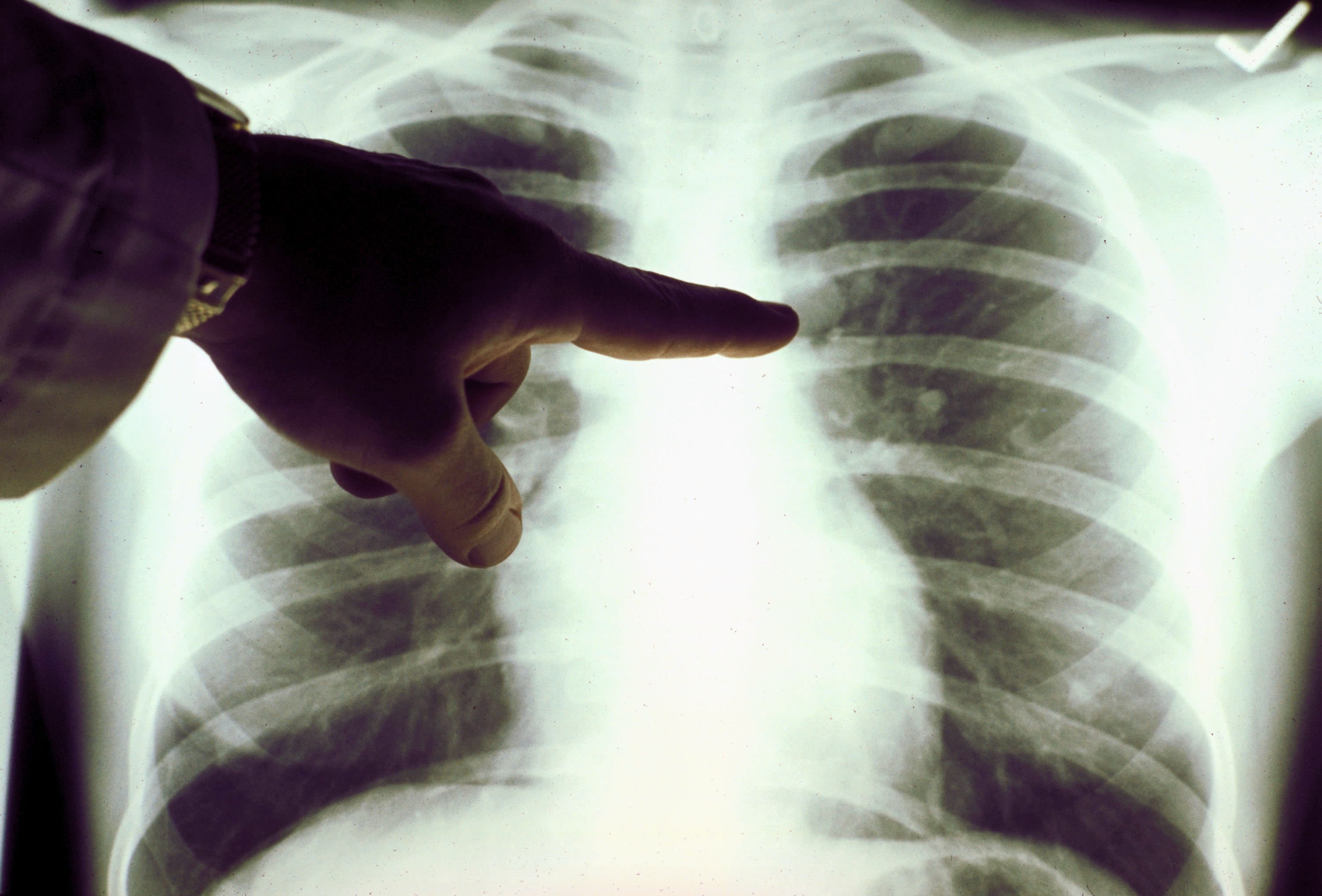
Your doctor may listen to your lungs and recommend an X-ray or additional imaging tests to determine the cause. Identifying the reason early can significantly impact treatment options and outcomes.
2. Breathing changes or wheezing
Shortness of breath or becoming winded more easily than usual can also be early indicators of lung cancer. Breathing changes may happen if a tumor narrows or blocks an airway, or if fluid from a lung tumor accumulates in the chest cavity.
Notice when you feel breathless. If climbing stairs or completing everyday tasks that once felt easy now leaves you struggling for air, it’s wise to schedule a medical evaluation.
When airways become narrowed, obstructed, or inflamed, your lungs may produce a wheezing or whistling noise during breathing. While wheezing can have many causes—some mild and treatable—it may also be linked to lung cancer.
It’s important not to automatically assume symptoms are due to asthma or allergies. A healthcare professional can help determine the underlying cause through proper assessment and diagnostic testing.
3. Body pain
Lung cancer can sometimes cause discomfort in the chest, shoulders, or back. This pain may occur during coughing or persist throughout the day.
Inform your doctor if you experience chest pain and describe whether it is:
- sharp
- dull
- constant
- intermittent
Also note whether the pain is localized or spread across the chest.
When lung cancer leads to chest pain, it may be due to enlarged lymph nodes or metastasis to the chest wall, the pleura (lining around the lungs), or the ribs.
If the cancer has spread to the bones, you may develop back pain or discomfort in other areas. Bone pain often intensifies at night and may worsen with movement.
Headaches can occasionally signal that lung cancer has metastasized to the brain. However, most headaches are not caused by brain metastases. Persistent or unusual headaches should still be medically evaluated.
4. Raspy, hoarse voice
If your voice becomes noticeably hoarse, raspy, or deeper—and the change persists—it’s advisable to consult a healthcare professional.
A simple viral illness can temporarily affect your voice. However, ongoing hoarseness may indicate a more serious condition.
In lung cancer, hoarseness can develop if a tumor presses on or damages the nerve that controls the larynx (voice box). Persistent voice changes are sometimes part of the story when people reflect on How I knew I had lung cancer.
5. Unexplained weight loss
Losing 10 pounds or more without trying can be associated with various cancers, including lung cancer.
When cancer is present, weight loss may occur because cancer cells consume large amounts of energy. It can also result from alterations in how your body processes nutrients from food.
Do not dismiss unexplained weight loss if you haven’t changed your diet or activity level. Unintentional weight loss, especially when combined with fatigue or a chronic cough, warrants medical attention.
Less common signs and symptoms
Less frequently, lung cancer may present with:
- finger clubbing (changes in the shape of the fingertips or nails)
- dysphagia (difficulty swallowing)
- swelling of the face or neck
- blood clots
Are symptoms of lung cancer different for men or women?
The core symptoms of lung cancer are generally the same in men and women.
However, squamous cell lung cancer is found more often in men. This pattern may be related to smoking trends, as squamous cell lung cancer commonly develops in smokers, and men are more likely to smoke than women.
Squamous cell lung cancer tumors typically form within the airways. In contrast, lung adenocarcinoma—the type more commonly diagnosed in women—usually begins in the outer regions of the lungs.
Because of this difference, squamous cell lung cancer may cause more noticeable symptoms earlier in its progression compared with lung adenocarcinoma. While symptoms themselves are similar, some men may experience prominent warning signs sooner.
NOTE: We use “women” and “men” to reflect terms historically used to categorize people by gender. Your gender identity may not correspond to how your body responds to lung cancer. Speak with a medical professional if you have concerns about your symptoms.
Small cell lung cancer symptoms
Small cell lung cancer (SCLC) and non-small cell lung cancer (NSCLC) are the two primary forms of lung cancer. SCLC occurs less frequently than NSCLC but tends to be more aggressive.
In its earliest phase, SCLC often produces no symptoms. Once it spreads within the lung or to other areas of the body, symptoms may include:
- bloody mucus
- shortness of breath or wheezing
- chest pain
- persistent cough
- unexplained weight loss and loss of appetite
- facial swelling, also known as superior vena cava (SVC) syndrome, is caused by tumor pressure on the vein returning blood from the upper body
Seek immediate medical attention if you develop any of these symptoms.
Advanced lung cancer symptoms
In later stages, lung cancer commonly metastasizes to both lungs and distant organs, including the bones and brain.
.png)
Symptoms of advanced lung cancer may include:
- fatigue
- pain
- breathing difficulties
- persistent coughing
- significant weight loss and loss of appetite
If the cancer has spread to the bones, fractures or severe bone pain may occur. If it has spread to the brain, symptoms might include vision problems, neurological changes, or seizures.
Related syndromes
Lung cancer can trigger clusters of symptoms known as syndromes. Among the most recognized are Horner’s syndrome, superior vena cava syndrome, and paraneoplastic syndrome.
Horner’s syndrome
Tumors located at the top of the lungs, called Pancoast tumors, can affect nerves in the face and eyes. This group of symptoms is referred to as Horner’s syndrome.
Symptoms of Horner’s syndrome may include:
- a drooping or weakened upper eyelid
- a smaller pupil in that eye
- little or no sweating on that side of your face
- extreme shoulder pain
Superior vena cava syndrome
Tumors in the upper right lung can compress the superior vena cava, a large vein responsible for returning blood from the head and arms to the heart. This pressure may cause blood to back up.
Symptoms of superior vena cava syndrome may include:
- swelling in your face, neck, arms, and upper chest, sometimes making your skin turn bluish-red
- headaches
- dizziness or loss of consciousness
Because superior vena cava syndrome can be life threatening, immediate medical evaluation is critical if these symptoms appear.
Paraneoplastic syndromes
Some lung cancers release hormones into the bloodstream that affect distant organs and tissues. These effects are known as paraneoplastic syndromes.
Paraneoplastic syndromes are more frequently associated with SCLC and may represent the earliest signs of the disease.
Common paraneoplastic syndromes include:
- Syndrome of inappropriate antidiuretic hormone (SIADH): SIADH develops when lung cancer produces the hormone ADH, causing the body to retain water and lowering blood salt levels. Symptoms may include fatigue, muscle weakness, and nausea.
- Cushing syndrome: If lung cancer releases adrenocorticotropic hormone, the adrenal glands produce excess cortisol, resulting in Cushing syndrome. Symptoms may include weight gain (especially around the trunk), a round face, easy bruising, and high blood pressure.
- Lambert-Eaton myasthenic syndrome (LEMS): LEMS may occur when the immune system attacks parts of the nervous system in response to lung cancer. Weakness in the hip muscles can make it difficult to stand from a seated position.
- Humoral hypercalcemia of malignancy (HHM): Any tumor can cause excessive secretion of parathyroid hormone-related peptide (PTHrP). Squamous carcinomas are most commonly responsible.
Screening for lung cancer
When lung cancer is detected early—often before symptoms develop—treatment is generally more effective.
Low-dose computer tomography (LDCT) scans have been shown to save more lives than chest X-rays when used to screen individuals at elevated risk.
LDCT uses a low level of radiation to identify abnormal areas in the lungs that may indicate cancer. For many people, understanding How I knew I had lung cancer includes learning whether screening might have detected it earlier.
People at higher risk of lung cancer
The American Cancer Society’s lung cancer screening guidelines as of 2023 recommend annual LDCT scans for people ages 50 to 80 years who currently smoke or formerly smoked, with at least a 20 pack-year history. Doctors recommend LDCT scans if:
- You currently smoke or have smoked within the past 15 years.
- You have a 30 pack-year or more smoking history (the number of years you smoked multiplied by the packs of cigarettes smoked each day).
- You receive counseling to help you quit if you’re a current smoker.
- A healthcare professional explained to you the benefits and harms of LDCT scans.
- You have access to a facility that performs lung cancer screening.
Takeaway
If you notice persistent symptoms such as a chronic cough, unexplained weight loss, shortness of breath, or chest pain—or if you meet high-risk criteria—speak with your healthcare professional about your concerns. Early evaluation and appropriate screening with LDCT may improve the chances of detecting lung cancer at a more treatable stage.
Paying attention to subtle changes in your body can be essential. For many individuals, reflecting on How I knew I had lung cancer begins with recognizing that something felt different and choosing to get it checked.















Leave a Reply
You must be logged in to post a comment.