
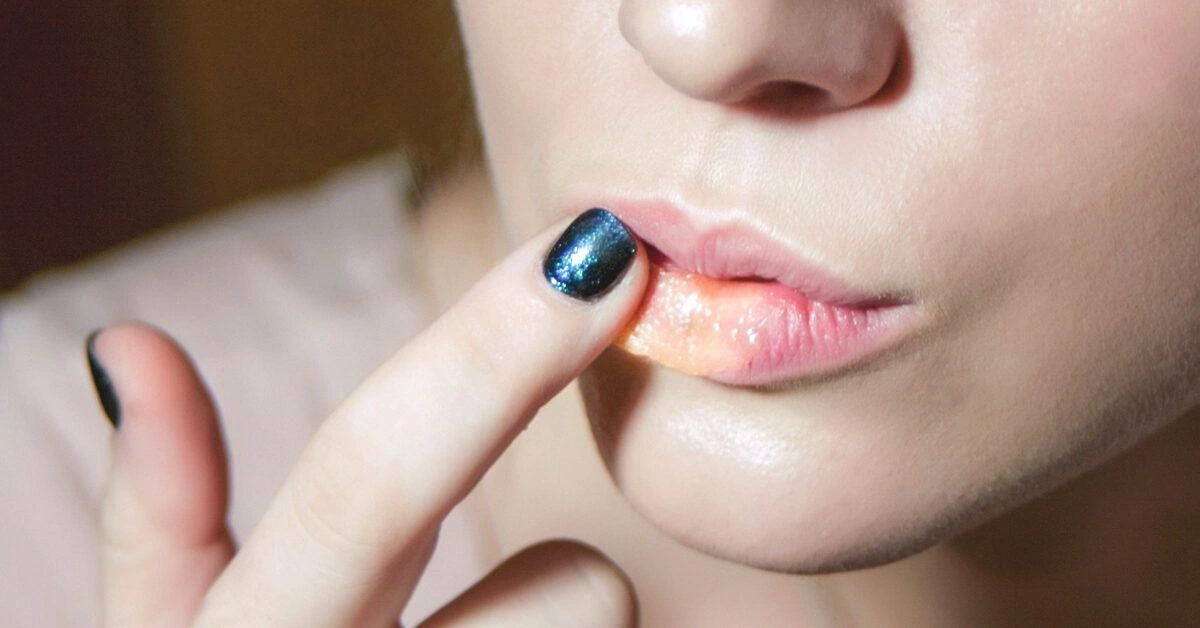
Simple at-home treatments can often resolve cracked or split lips quickly. However, if the problem persists, worsens, or is paired with additional symptoms, it’s important to seek medical care without delay.
Your lips are composed of delicate, thin skin that is more sensitive than most other areas of the body. Because of this, they can easily become dry, irritated, and split under certain conditions. If you’re searching for How to heal cracked lip corners fast, understanding the underlying cause is the first and most important step.
Although a split lip can be uncomfortable and may even bleed, it typically doesn’t signal a serious medical condition. Still, the discomfort and cosmetic concern can be frustrating. Knowing why your lips are cracking — especially at the corners — can help you choose the most effective treatments and prevent future flare-ups.
Causes of a split lip
A split lip often develops gradually, making it challenging to identify the exact trigger. Recognizing the most common causes can help you determine the best approach for treatment and prevention. Below are several frequent reasons for cracked lips and mouth corners.
1. Chapped lips
Chapped lips are a form of lip inflammation caused by irritation of the skin. Environmental factors such as cold temperatures, low humidity, and wind exposure can strip moisture from your lips at any time of year. Angular cheilitis, which specifically affects the corners of the mouth, may also result from environmental exposure along with various other contributing factors.
Lips are particularly vulnerable to peeling, flaking, dryness, and splitting because they lack the same protective outer layer found on other skin areas. They also cannot generate their own moisture, making them more susceptible to cracking. In some cases, cracking at the corners may be accompanied by residue or buildup. If you’ve ever wondered about Why do I get white stuff on the corners of my lips, dryness and irritation can play a significant role.
2. Sun damage
Most people apply sunscreen to protect their skin from harmful UV rays, but the lips are often overlooked. Unprotected sun exposure can cause inflammation and dryness of the lips.
Over time, prolonged sun exposure can make the lips feel stiff and parched, eventually leading to cracking or splitting. Using lip protection with SPF is essential to prevent both short-term irritation and long-term damage.
3. Lip injury
A split lip may also result from physical trauma. This can include being struck in the mouth, falling and injuring your lips, biting your lip, or even sustaining a paper cut.
Along with splitting, you might notice swelling, tenderness, and bleeding. Prompt care can reduce inflammation and help the area heal more efficiently.
4. Dehydration
In some instances, cracked lips are a symptom of dehydration, which occurs when your body lacks adequate fluids. Dehydration can develop due to vomiting, diarrhea, excessive sweating, illness, or insufficient fluid intake.
When you’re dehydrated, your body struggles to maintain normal functions, including keeping your skin hydrated. Severe dehydration can become life-threatening if untreated.
5. Vitamin and mineral deficiency
Vitamin B includes thiamine, niacin, biotin, folic acid, and riboflavin. These are water-soluble vitamins involved in metabolism, energy production, and immune support.
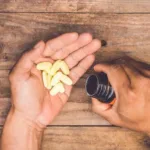
Because vitamin B plays a crucial role in maintaining healthy skin, a deficiency may lead to various skin concerns, including acne, dryness, rashes, and split lips. Low levels of zinc and iron can also contribute to cracking, particularly at the corners of the mouth. Some individuals also report White stuff in corners of mouth when talking, which can be associated with irritation, nutritional deficiencies, or angular cheilitis.
6. Allergy
An allergic reaction to products such as lipstick, toothpaste, lip balms, or facial moisturizers can cause splitting and irritation. Symptoms may include intense dryness, itching, redness, or an eczema-like rash on or around the lips.
If you notice lip irritation after trying a new product, discontinue use and monitor for improvement. Ongoing exposure to the allergen can prolong symptoms until the trigger is identified and removed.
When to see a doctor
Many cases of split lips respond well to home care, especially when caused by dryness from heat, cold, or wind. However, because cracked lip corners can sometimes signal an underlying health condition, consult a doctor if symptoms worsen, fail to improve, or are accompanied by additional warning signs.
If dehydration is suspected, watch for symptoms such as:
- extreme thirst
- infrequent urination
- dark-colored urine
- dizziness
Without sufficient fluids and electrolytes, dehydration may result in kidney damage, seizures, and reduced oxygen levels. Identifying and treating the root cause is critical.
Similarly, a split lip accompanied by memory issues, numbness or tingling, or fatigue may suggest a vitamin B deficiency or another nutritional concern requiring medical evaluation.
Seek medical care if pain, bleeding, or redness intensifies, or if signs of infection appear, such as fever, shortness of breath, persistent nausea, vomiting, or diarrhea.
How to treat a split lip
If you’re looking for practical strategies on How to heal cracked lip corners fast, the following steps can support recovery and prevent recurrence.
Protect your lips
Cold air, dry climates, wind, and sun exposure can all dehydrate the lips and lead to splitting. Before going outdoors, apply lip balm or petroleum jelly to create a protective moisture barrier. Consider using medicated lip balm and lip balm with SPF to guard against burns and environmental damage.
Avoid licking your lips
Although it may feel temporarily soothing, repeatedly licking your lips actually worsens dryness. Saliva evaporates quickly, leaving lips drier than before and increasing the risk of cracking.
Increase your fluid intake to keep your body and lips hydrated
Maintaining hydration with caffeine-free fluids supports overall skin health. Reducing alcohol consumption is also important, as alcohol acts as a diuretic and increases urination. Excessive alcohol intake may trigger vomiting and diarrhea, further contributing to dehydration.
Proper hydration is a foundational step in understanding How to heal cracked lip corners fast, particularly when dryness is linked to fluid imbalance.
Apply a cold compress to bleeding lips
If your lip has split due to injury, placing a cold compress on the area can help control bleeding and minimize swelling.
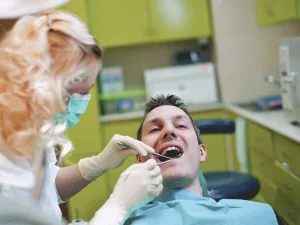
If you observe crusting, open sores, or persistent cracking at the corners of your mouth, consult your doctor. These signs may indicate a bacterial or viral infection. Your healthcare provider may prescribe medication to address the underlying issue. Blood or urine testing might be necessary if the cause remains unclear.
For severe dehydration, intravenous fluids may be required depending on the seriousness of the condition. If a nutritional deficiency is identified, your doctor may recommend dietary adjustments, supplements, or additional therapies.
What is the outlook for a split lip?
In most situations, cracked or split lips can be managed effectively at home with protective care and hydration. With consistent treatment, healing typically occurs without complications.
However, do not ignore a split lip that is persistent, worsening, or accompanied by other symptoms. Prompt medical evaluation ensures that any underlying condition is properly diagnosed and treated, helping you recover quickly and prevent future episodes.















Leave a Reply
You must be logged in to post a comment.