Salmonella Food Poisoning

Overview
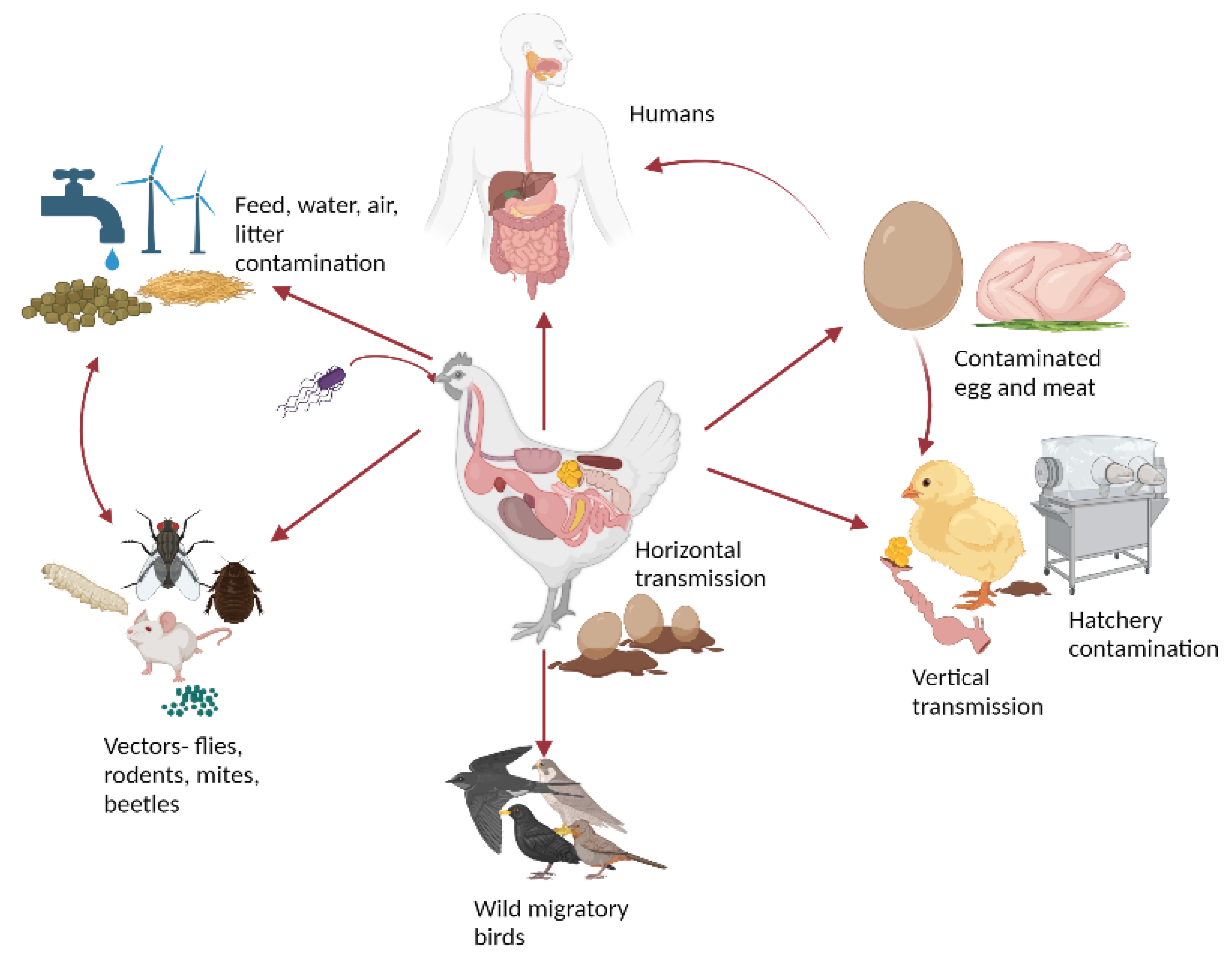
Certain strains of the bacterium Salmonella are responsible for salmonella food poisoning. These organisms inhabit the intestinal tracts of animals and people. Humans become infected when they ingest food or water contaminated with feces from an infected source.
A gastrointestinal infection from Salmonella typically involves the small intestine and is also referred to as salmonella enterocolitis or enteric salmonellosis. It ranks among the most frequent causes of foodborne illness.
Each year in the United States, about 19,000 people are hospitalized due to salmonella food poisoning. The condition is most common in individuals younger than 20 and tends to spike during warmer months because the Salmonella organism multiplies more readily in heat.
What causes salmonella food poisoning?
Salmonella food poisoning occurs when a person eats or drinks items contaminated with specific types of Salmonella. Most infections arise from consuming raw foods or prepared dishes that have been contaminated through handling.
Transmission often happens when people fail to wash their hands properly after using the restroom. Contact with pets, particularly reptiles and birds, can also spread the bacteria. Proper cooking and pasteurization eliminate Salmonella, so consuming raw, undercooked, or unpasteurized products increases your risk.
Common sources of salmonella food poisoning include:
- undercooked chicken, turkey, or other poultry
- undercooked eggs
- unpasteurized milk or juices
- contaminated raw fruits, vegetables, or nuts
Several factors raise the chance of getting salmonella, such as:
- living with family members who have salmonella food poisoning
- owning a reptile or bird (these animals can harbor Salmonella)
- residing in communal settings like dormitories or nursing facilities, where you’re often exposed to many people and food prepared by others
- traveling to regions with poor sanitation and hygiene standards
People with weakened immune systems are at higher risk of becoming infected with Salmonella.
Recognizing the symptoms of salmonella food poisoning
Symptoms of salmonella food poisoning usually appear fairly quickly, commonly within 8 to 72 hours after ingesting contaminated food or drink. These symptoms can be intense and may persist for up to 48 hours.
Typical symptoms during this acute phase include:
- abdominal pain, cramping, or tenderness
- chills
- diarrhea
- fever
- muscle aches
- nausea
- vomiting
- signs of dehydration (for example, reduced or dark urine, dry mouth, and low energy)
- blood in the stool
Dehydration from diarrhea is a major concern, particularly for infants and young children. The very young can become dangerously dehydrated in as little as one day, which can be fatal.
Diagnosing salmonella food poisoning
To diagnose salmonella food poisoning, your clinician will perform a physical exam. They may check for abdominal tenderness and look for a rash of small pink spots on the skin. When such spots accompany a high fever, they may point to a severe form of salmonella infection known as typhoid fever.
Your doctor might also order blood tests or a stool culture to detect and identify Salmonella organisms in your body.
Treating salmonella food poisoning
The cornerstone of treatment for salmonella food poisoning is replacing fluids and electrolytes lost through diarrhea. Adults should sip water or suck ice chips. For children, a pediatrician may recommend rehydration solutions such as Pedialyte.
Additionally, follow a bland diet focusing on easy-to-digest items like bananas, rice, applesauce, and toast. Avoid dairy products and get ample rest so your body can clear the infection.
If vomiting prevents adequate fluid intake, medical attention may be needed to receive intravenous (IV) fluids. Young children may require IV fluids as well.
Generally, antibiotics and anti-diarrheal drugs are not routinely recommended because antibiotics can extend the carrier state and anti-diarrheal medicines may prolong the infection. The carrier state refers to the period during and after illness when you can still spread the bacteria to others. Discuss symptom-control medications with your doctor. In severe or life-threatening situations, antibiotics may be prescribed.
Preventing salmonella food poisoning
To reduce the risk of salmonella food poisoning:
- Handle food safely. Cook items to recommended internal temperatures and refrigerate leftovers promptly.
- Clean surfaces before and after preparing high-risk foods.
- Wash hands thoroughly (especially when handling eggs or poultry).
- Use separate utensils for raw and cooked foods.
- Store foods refrigerated until ready to cook.
- If you keep a reptile or bird, wear gloves or wash your hands carefully after contact.
Anyone with salmonella who works in food service should remain off duty until they have been free of diarrhea for at least 48 hours.
Salmonella food poisoning outlook
In otherwise healthy individuals, symptoms usually resolve within two to seven days. However, the bacteria can persist in the body beyond symptom resolution, meaning you may still be able to transmit Salmonella to others even after symptoms subside.
Frequently Asked Questions
Salmonella Enterocolitis is a gastrointestinal infection caused by Salmonella bacteria, leading to inflammation of the small intestine and colon with symptoms like diarrhea and abdominal pain.
Symptoms typically begin 8 to 72 hours after ingesting contaminated food or water, though timing can vary by strain and the amount of bacteria consumed.
Treatment focuses on rehydration and electrolyte replacement, rest, and a bland diet; antibiotics are reserved for severe or high-risk cases.
Preventive measures include cooking food to safe temperatures, avoiding raw eggs and unpasteurized products, practicing good hand hygiene, and using separate utensils for raw and cooked foods.
See a clinician if you have high fever, persistent vomiting, signs of severe dehydration, bloody stools, or if symptoms are prolonged, especially in young children, the elderly, or immunocompromised people.



Related Posts

White Specks in Stool
Aug 28, 2026 • 23 min read
How Long Does It Really Take to Sober Up?
Aug 23, 2026 • 5 min read
Proteolytic Enzymes: How They Work, Benefits and Sources
Sep 13, 2026 • 18 min read
Remedios naturales para colitis ulcerosa: Dieta, suplementos y más
Aug 7, 2026 • 36 min read
Retroperitoneal Inflammation
Sep 12, 2026 • 8 min read