Retroperitoneal Inflammation


- What is retroperitoneal inflammation?
- Symptoms of retroperitoneal inflammation
- Causes of retroperitoneal inflammation
- Complications with organs
- Diverticulitis
- Medical procedures
- Peritonitis
- Pancreatitis
- Trauma
- Other causes
- Risk factors for retroperitoneal inflammation
- Diagnosis of retroperitoneal inflammation
- Treatment of retroperitoneal inflammation
- Antibiotics
- Surgery
- Recovery from retroperitoneal inflammation
What is retroperitoneal inflammation?
Inflammation that involves the retroperitoneal area is a grave medical issue. It carries a significant risk of death, but early detection and prompt therapy can improve outcomes.
The retroperitoneal space lies between the peritoneum and the posterior abdominal wall. Put simply, it’s the region in your abdomen situated between the intestinal cavity and your back. Several important structures are located there, including:
- kidneys
- bladder
- abdominal aorta
- adrenal glands
This type of inflammation commonly arises as a reaction to infection. If untreated, the infection can spread systemically and impair critical organs. The swelling can also compress vital structures, potentially causing permanent damage.
Retroperitoneal inflammation is also referred to as retroperitonitis.
Symptoms of retroperitoneal inflammation
The signs of retroperitoneal inflammation resemble those of other abdominal inflammatory infections. Typical symptoms include:
- abdominal pain
- back pain
- bloating
- constipation
- diarrhea
- fatigue
- high fever
- chills
- decreased appetite
- difficulty urinating
- unexplained weight loss
Causes of retroperitoneal inflammation
Retroperitoneal inflammation can develop when pathogenic bacteria reach the organs within the retroperitoneal space or the lining that surrounds the abdominal cavity. Potential causes include:
Complications with organs
- Kidney-related problems—such as infections, abscesses , stones, and other inflammatory or infectious kidney conditions—can lead to retroperitoneal inflammation.
- A burst appendix, perforated stomach ulcer, or a ruptured colon can permit bacteria to enter the retroperitoneal area.
Diverticulitis
Diverticulitis happens when small pouch-like protrusions (diverticula) in the digestive tract become inflamed or infected. A complication is perforation, where a pouch ruptures and releases intestinal contents into the abdomen.
Medical procedures
Inflammatory complications can follow various medical interventions, including:
- gastrointestinal surgery
- feeding tube placement
- use of contaminated instruments
- procedures that insert catheters to drain fluid from the abdomen or intestinal organs
Peritonitis
Infections can involve the membrane that lines the abdominal wall and envelops the organs, causing inflammation of this lining.
Pancreatitis
Although uncommon, chronic inflammation of the pancreas can extend into and inflame the retroperitoneal space.
Trauma
Injury can introduce bacteria from outside sources into the retroperitoneal area, triggering inflammation.
Other causes
- certain cancers
- inflammatory bowel disease
- some medications
Risk factors for retroperitoneal inflammation
Longstanding digestive disorders, like peptic ulcers and diverticulitis, can predispose you to complications—particularly when not treated.
Engaging in high-risk activities, such as contact sports, raises the chance of traumatic injuries that might damage the retroperitoneal area.
Poorly sterilized surgical tools or lapses in procedural hygiene can increase the likelihood of infection and subsequent retroperitoneal inflammation.
Diagnosis of retroperitoneal inflammation
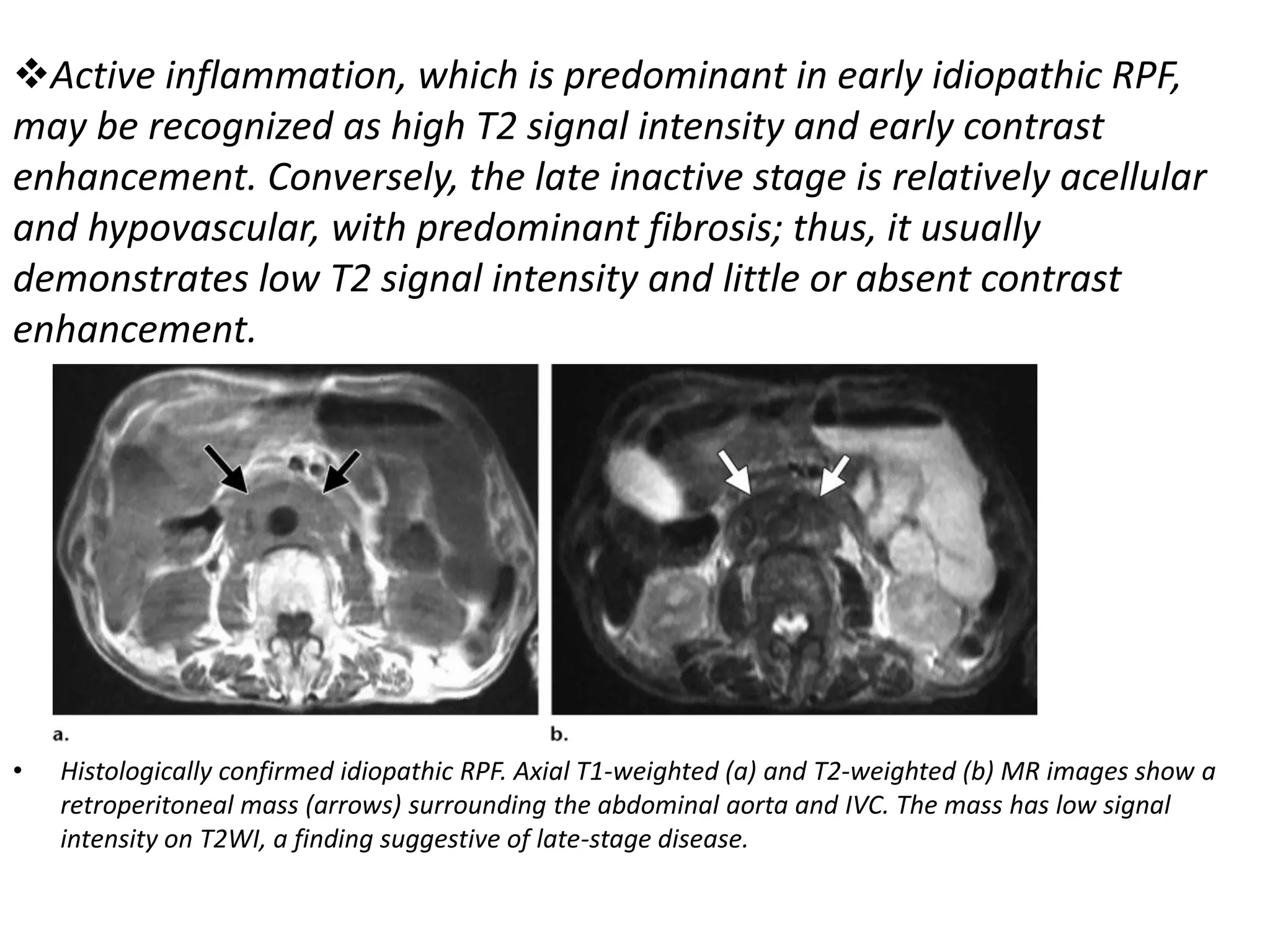
Diagnosis starts with a physical examination and review of your symptoms. Physicians commonly order an ultrasound, abdominal X-ray, CT scan, or MRI. These imaging studies help identify abnormalities within the retroperitoneal area.
Imaging allows clinicians to evaluate the severity of the condition, determine if organs are involved, and exclude other causes.
Blood tests can reveal markers of inflammation and detect anemia (low red blood cell count), which may suggest other conditions such as retroperitoneal fibrosis.
Blood cultures can indicate whether bacteria have entered the bloodstream.
In some cases, a biopsy (surgical removal of a small sample of peritoneal tissue) may be performed to eliminate other possible causes of inflammation.
Treatment of retroperitoneal inflammation
Timely treatment of retroperitoneal inflammation is critical to avoid complications. Hospitalization is usually required for management.
Therapies typically include antibiotics and may involve surgery.
Antibiotics
Antibiotics are used to treat infection-related inflammation. The choice of antibiotic and duration of therapy depend on the severity of the infection and the suspected organism.
Surgery
Surgeons may need to excise severely inflamed, scarred, or infected tissue to prevent spread and further harm. Surgery may be necessary if infection has extended to other organs.
Procedures to relieve obstructions in ducts or blood vessels—such as the ureters linking kidneys and bladder—may also be required to avert life-threatening complications.
If the immune response is contributing to the condition, your doctor might prescribe immunosuppressive treatments.
Recovery from retroperitoneal inflammation
Prognosis depends on the degree of damage to retroperitoneal tissues and how rapidly treatment begins.
Hospital stays can be prolonged. Retroperitoneal inflammation is a serious illness with the potential for fatal outcomes.
Severe complications may occur when inflammation affects abdominal organs such as the abdominal aorta—the large vessel that supplies oxygenated blood to the lower body.
To reduce the likelihood of major complications, contact your physician if you experience symptoms and seek early treatment.
Frequently Asked Questions
Retroperitoneal Inflammation is inflammation occurring in the retroperitoneal space—the area between the peritoneum and the posterior abdominal wall—often due to infection, organ complications, or trauma.
Typical symptoms include abdominal and back pain, bloating, fever, chills, changes in bowel habits, difficulty urinating, fatigue, and unexplained weight loss.
Diagnosis usually involves a clinical exam, blood tests, and imaging studies such as ultrasound, CT scan, or MRI; sometimes biopsy or blood cultures are performed to identify infection or other causes.
Treatment often requires hospitalization and may include antibiotics for infection, surgical removal of infected or scarred tissue, procedures to relieve obstructions, and occasionally immunosuppressive therapy.
Prognosis depends on how quickly treatment begins and the extent of tissue or organ damage; early detection and prompt therapy improve outcomes, while delayed care can lead to serious complications.






Related Posts

White Specks in Stool
Aug 28, 2026 • 35 min read
Remedios naturales para colitis ulcerosa: Dieta, suplementos y más
Aug 7, 2026 • 3 min read
Constipation and Back Pain
Aug 1, 2026 • 28 min read
Salmonella Food Poisoning
Sep 14, 2026 • 3 min read
How SNL Comedian Kenan Thompson Manages GERD Symptoms After Diagnosis
Sep 26, 2026 • 31 min read