How to Clean Invisalign: Do’s, Don’ts, and Best Practices

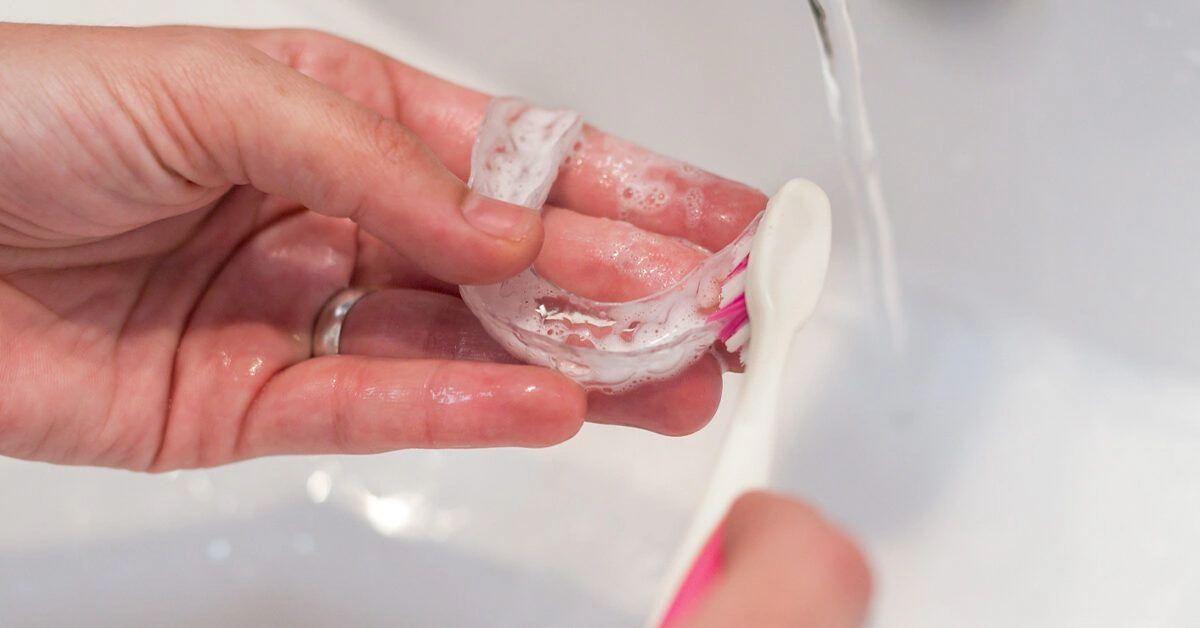
One crucial thing to remember about Invisalign aligners is that they need regular cleaning.
Even though aligners are intended to be replaced every couple of weeks, they still require maintenance. Without cleaning, you could end up putting in an unpleasant or filthy pair each day.
Read on to learn recommended practices for maintaining clean aligners.
Cleaning versus rinsing your Invisalign aligners
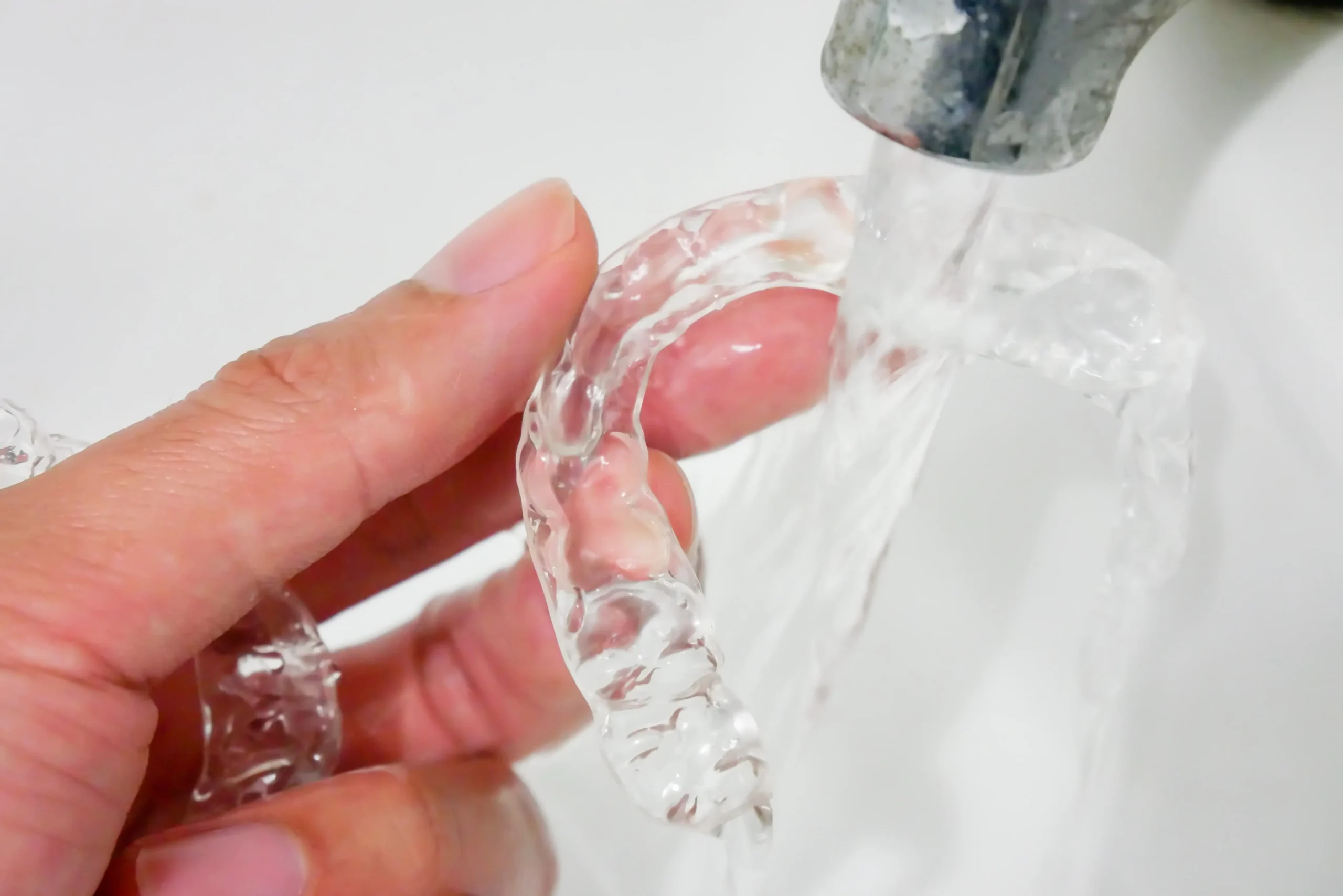
It’s important to distinguish between cleaning and simply rinsing Invisalign. Rinsing may make aligners look marginally cleaner, but it won’t remove the invisible bacteria that accumulates.
The basic nightly cleaning routine listed on the Invisalign site includes:
- Rinse your aligners with water each night.
- Use a soft-bristled toothbrush (not your regular tooth brush) and a mild, clear liquid soap to brush away debris and food particles collected during the day.
- Rinse thoroughly after brushing.
- Keep them in a protective case whenever they’re not being worn.
Cleaning products for aligners
Invisalign offers a “Steraligner” kit with a tray. Ingredients listed include isopropyl alcohol and sodium bicarbonate, a natural antiseptic.
To use, place aligners in the tray and soak for about 3 minutes. After soaking, rinse off the sterilizing solution and then brush with warm water.
They also market “cleaning crystals” that dissolve in water for soaking aligners.
Those crystals include cleaning agents like sodium sulfate. These components resemble those in retainer-cleaning products (but not denture cleaners), and can serve as a less costly, easier-to-find alternative.
Where to buy Invisalign cleaning products online
Is there research on the best cleaning methods?
The simple nightly routine above is often adequate for keeping aligners clean, but it might not be the most comprehensive method.
A study in Clinical, Cosmetic, and Investigational Dermatology examined pathogens on clear aligners that were switched every two weeks over a six-week span.
Researchers compared three techniques:
- rinsing with water
- using effervescent tablets plus brushing
- brushing the aligners alone with toothpaste and a toothbrush
At the end of the trial, the study found that combining brushing with effervescent tablets cleaned the aligners most effectively. Brushing alone was slightly less effective but still notably helpful.
How often should you clean aligners?
You should clean your aligners nightly, typically when you brush and floss your teeth. This helps remove food residue, debris, and bacteria accumulated during the day.
Clean them whenever they look visibly soiled—for example, if you drink something other than water while wearing them or put them back in too soon after eating.
Besides more thorough nightly cleaning, rinse your aligners every time you remove them.
Although you replace aligners every two weeks, they still deserve careful cleaning.
Neglecting cleaning can cause discoloration (making teeth appear yellow), unpleasant breath, and repeated exposure of your teeth to trapped bacteria.
Which cleansers should you avoid?
Some cleaning agents are too aggressive or damaging for Invisalign. Avoid:
- denture cleaners
- mouthwashes, particularly those containing alcohol
- scented soaps, which can leave a bitter taste
- toothpaste
Also avoid soaps with added dyes (blue, red, green, etc.), as these can stain the aligners and make wearing them unpleasant for two weeks.
Using a hard-bristled brush instead of a soft-bristled toothbrush can also be too abrasive for your aligners.
Best practices for aligner care
Following a few simple habits can keep your aligners cleaner and reduce bacterial buildup. Examples include:
- Remove aligners when eating to prevent trapped food and potential damage that could reduce their effectiveness.
- Only drink water while wearing aligners to avoid stains or harm.
- Don’t use very hot water to clean the trays.
- Always store aligners in a protective case when not in use to lower the chance of loss and shield them from bacteria.
Adhering to these tips will help keep aligners clean and your treatment progressing as planned.
Takeaway
Invisalign is a common option for straightening teeth, but aligners need consistent cleaning to work well.
Caring for them helps preserve their clarity and makes them less noticeable. Since aligners are meant to be replaced frequently, they usually can’t tolerate harsh cleaning methods like abrasive brushes or very hot water.
If you struggle to keep your aligners clean, consult your dentist. They can suggest additional options tailored to your dental situation to help maintain both oral hygiene and clear aligners.
Frequently Asked Questions
Clean your Invisalign nightly when you brush and floss, and rinse them each time you remove them. Clean immediately if they look soiled or after drinking anything but water.
Avoid toothpaste; it can be abrasive and cause micro-scratches that trap bacteria and discolor the aligners. Use a soft-bristled brush with clear, mild soap or recommended cleaning solutions.
Yes—products like Invisalign cleaning crystals or effervescent tablet cleaners are formulated for clear aligners and, when used as directed, help remove biofilm and stains without damaging the plastic.
Do not use denture cleaners, alcohol-based mouthwashes, colored or scented soaps, very hot water, or hard-bristled brushes, as these can stain, warp, or degrade the aligners.
Rinse aligners after removal, brush gently with a soft brush and mild clear soap nightly, soak periodically with approved cleaning crystals or tablets, and always store them in their case when not worn.
Read Next

What’s the Best Antiseptic for Open Wounds? Iodine, Peroxides, and More

Habba Syndrome: What It Is and What to Do About It

What's the Difference Between Kosher and Halal Diets?

Folic Acid vs. Folate — What’s the Difference?

Dieta cetogénica: Una guía detallada para principiantes sobre la dieta cetogénica

What to Do When Your Shoes Are Too Tight
Related Posts
Is Microblading Your Eyebrows Painful?
Aug 9, 2026 • 12 min read
How to Use Vaginal Suppositories: A Step-by-Step Guide
Aug 19, 2026 • 14 min read
What Is Social Media Addiction?
Aug 22, 2026 • 25 min read
Is Cheesecake Healthy? Nutrition and Recipe Tips
Aug 27, 2026 • 15 min read
Is the Pain in My Tailbone Cancer?
Aug 21, 2026 • 17 min read