What is Decannulation of a Tracheostomy?

- What is a tracheostomy?
- What does decannulation mean?
- Why is decannulation performed?
- How is decannulation of a tracheostomy performed?
- How do you prepare for decannulation?
- Gradual decannulation
- Capping or spontaneous removal
- What care is needed after decannulation?
- What if decannulation happens accidentally?
- Outlook after decannulation
- Frequently asked questions
- Will my stoma close completely?
- Could my stoma need to be reopened?
- Can a tracheostomy remain indefinitely?
- Takeaway
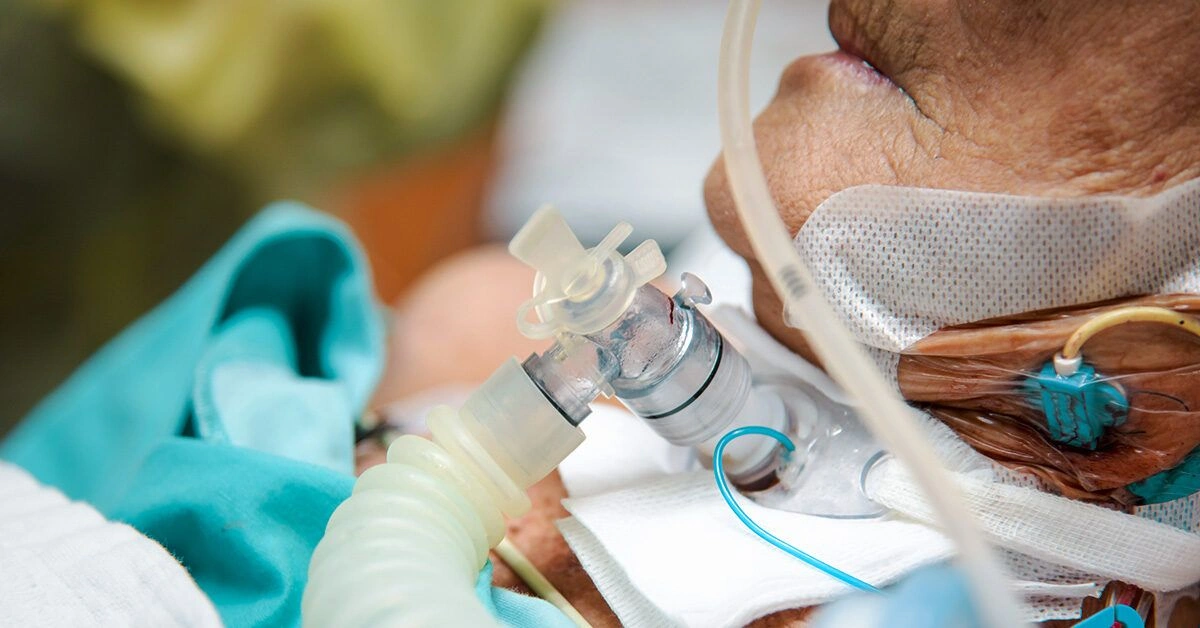
A tracheostomy is a small opening with a tube placed in the throat to assist breathing. Decannulation refers to the removal of that device.
A tracheostomy can be lifesaving, offering respiratory support when the airway is blocked or damaged or when a person cannot breathe independently. It involves creating a small opening and inserting a flexible tube that permits oxygen to bypass the upper airway and enter the windpipe directly.
These tubes may be temporary or long-term.
This article explains what a tracheostomy is, why it may be necessary, and what to anticipate when the tracheostomy is removed — a process called decannulation.

What is a tracheostomy?
A tracheostomy provides an artificial airway that bypasses the natural breathing pathway — the trachea. The surgical act of making a small opening in the neck at the trachea is called a tracheotomy. The tracheostomy refers to the tube inserted into that opening, creating the artificial airway.
A tracheostomy can be either temporary or permanent and may be required for several reasons including:
- respiratory failure from chronic illness
- obstruction from a foreign object
- congenital or structural abnormalities
- neck cancers
- paralysis or dysfunction of breathing or vocal structures in the neck
- neuromuscular disorders
- severe injury, trauma, or surgical needs
- to prevent aspiration
A tracheostomy tube may be placed in an operating theater or in an intensive care setting for emergency airway access or to replace an oral breathing tube.
Endotracheal tubes, which are inserted through the nose or mouth, are not intended for permanent airway support. If prolonged intubation and mechanical ventilation are needed and natural breathing cannot be restored, the medical team may recommend placing a tracheostomy.
Chronic obstructive conditions or prolonged critical respiratory illness are common indications for tracheostomy. The use of tracheostomies also rose because of respiratory complications during the COVID-19 pandemic.
What does decannulation mean?
Cannulation refers to inserting a small tube through an opening, so decannulation denotes reversing that process.
When someone with a tracheostomy is decannulated, the tracheostomy tube is taken out from the tracheal opening and the site is allowed to heal on its own.
Why is decannulation performed?
Decannulation usually occurs when the person’s condition has improved sufficiently so they can breathe safely without the artificial airway and there is no longer a concern about their natural airway being compromised.
This may mean the original obstruction or issue resolved or that respiratory function recovered enough to eliminate the need for mechanical ventilation.
How is decannulation of a tracheostomy performed?
Although removing the tube and allowing the incision to close is relatively straightforward, achieving readiness for decannulation can be more involved.
Before removing the tracheostomy, clinicians must ensure the natural airway is patent, unobstructed, and secure. This typically requires adequate improvement in breathing, coughing, and swallowing, indicating coordinated function of the respiratory, neurological, and digestive systems.
How do you prepare for decannulation?
Your care team will assess decannulation readiness through several tests and trials. Weaning from mechanical ventilation is typically the initial step — you must demonstrate the ability to breathe on your own, effectively using your own respiratory effort.
You might still need supplemental oxygen, but you should be capable of performing the core work of breathing independently before the tube is removed.
After successful weaning from ventilatory support, you may need to pass evaluations of swallowing and secretion management. Tests can assess cough strength, gag reflex, and whether swallowed liquids or food enter the correct pathway.
Once clinicians agree it’s safe to reverse the tracheostomy, there are two primary approaches.
Gradual decannulation
Gradual decannulation involves replacing the tracheostomy tube with progressively smaller ones. Smaller tubes are inserted into the tracheotomy site over time, allowing the opening to shrink incrementally until the smallest tube is removed.
At that stage, the stoma is typically small and edge-healed and can be left to close naturally.
Capping or spontaneous removal
If a small tube is already in place, or if clinicians decide to maintain the site temporarily, the tracheostomy tube may be capped or sealed. Once it’s clear recannulation will not be required, the tube can be uncapped and taken out.
Sometimes a tracheostomy is capped briefly before full removal. For example, following surgery, it might be capped for a short period or overnight once healing is sufficient, with decannulation occurring the next day. The opening may then be allowed to close on its own.
Decannulation approaches for children can differ from adults and may include airway inspection in the operating room and capped sleep studies, among other assessments.
What care is needed after decannulation?
After the tracheostomy is removed, stoma care depends on how long the tube was in place and why it was needed. Excessive secretions or mucus can prolong healing and require more wound management. The duration the tracheostomy was used also affects recovery time.
One study observed that stomas closed between 1 and 22 days after decannulation. During this period, wound care is important as the site heals, and you may need to cover the stoma to assist with coughing or speaking. Typical wound care involves sterile saline or water and dry, sterile gauze.
If a stoma fails to close naturally, a surgical procedure called tracheocutaneous fistula closure may be performed to seal the site.
What if decannulation happens accidentally?
A tracheostomy can be accidentally dislodged, fall out, or be removed without a planned process. The risk depends on the individual’s health status, the original reason for the tracheostomy, and their stage of recovery.
If the person still depends on mechanical ventilation and the tracheostomy is accidentally removed, it is likely to be replaced promptly. If replacement is not immediately possible and the person cannot breathe adequately, oral intubation with an endotracheal tube may be necessary.
Even with planned or gradual removals, recannulation can be required. Studies indicate that roughly 3.5% to 32% of people with tracheostomies may need recannulation due to issues such as:
- marked carbon dioxide retention (hypercapnia)
- respiratory failure
- build-up of secretions
- unplanned self-decannulation
Outlook after decannulation
The prognosis after tracheostomy removal largely depends on the reason it was performed. Individuals who had a tracheostomy for temporary surgical reasons and then heal typically do well.
If the tracheostomy was needed due to a severe or progressive medical condition such as a heart attack, stroke, major trauma, or neuromuscular disease, recovery and outlook hinge on the underlying condition’s severity and response to treatment.
People with persistent respiratory, neurological, or swallowing issues might need recannulation later, or clinicians may decide to keep the stoma available for emergency airway access.
Frequently asked questions
Will my stoma close completely?
The speed and completeness of stoma healing vary with how long the tracheostomy was in place and individual healing characteristics. For many, a stoma is closed by about 2 months after decannulation.
Could my stoma need to be reopened?
If the original problem returns, recannulation may be necessary. It is also possible that a new, unrelated issue could arise that requires establishing a tracheostomy later.
Can a tracheostomy remain indefinitely?
A tracheostomy can be maintained for as long as it is needed.
If ongoing mechanical ventilation is required, specialized care is necessary to manage the tracheostomy site and ventilator. A long-term tracheostomy may require periodic tube changes or stoma repair and carries increased risk for respiratory and other infections, including pneumonia.
Takeaway
A tracheostomy can be a critical intervention when airway obstruction, respiratory failure, or other threats to breathing occur. While the aim is often to reverse the tracheostomy when possible, it may stay in place permanently if required.
When removal is planned, a series of steps ensures you can breathe safely on your own and promotes proper healing of the insertion site.
Frequently Asked Questions
Decannulation of a tracheostomy involves removing the tracheostomy tube once the patient can breathe, protect their airway, and manage secretions without the artificial airway. The site is then allowed to heal naturally or may require minor wound care.
Readiness is assessed through weaning from mechanical ventilation, trials of breathing without support, evaluations of cough strength and swallowing, and ensuring the airway is patent and free from obstruction.
Decannulation can be gradual—using progressively smaller tubes—or by capping the tube to test spontaneous breathing before full removal. Approach depends on patient condition and clinician judgment.
Post-decannulation care includes keeping the stoma clean and dry, dressing changes with sterile gauze as needed, monitoring for excessive secretions or infection, and covering the site while it heals until it closes.
Yes. If respiratory failure, airway obstruction, or problems like high CO2 retention occur after removal, recannulation or alternative airway support may be necessary. Rates vary based on underlying illness and recovery.





Related Posts

Smoker's Cough: Everything You Need to Know
Sep 13, 2026 • 35 min read
Understanding the FAST Scale for Dementia
Aug 29, 2026 • 16 min read
Side Effects of Brixadi: What You Need to Know
Aug 28, 2026 • 31 min read
7 Ways to Remove Dead Skin from Your Feet
Sep 10, 2026 • 19 min read
Fragile X Syndrome and Autism: What Is the Link?
Aug 8, 2026 • 23 min read