
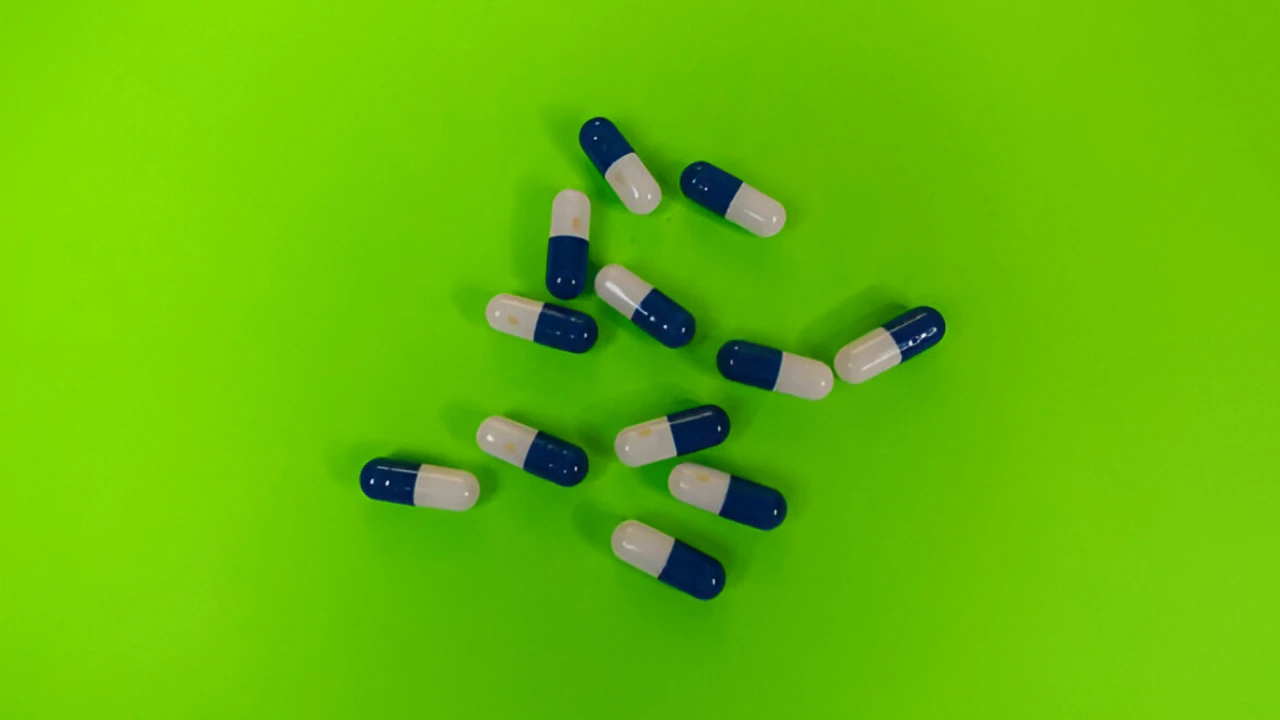
Ever started a medication thinking it would be your saving grace, only to feel like you’ve been tossed into an entirely new kind of struggle? That was me with Cymbalta. I was desperate for relief from anxiety and chronic pain, and when my doctor suggested Cymbalta, I thought, “Here we go—the answer I’ve been waiting for.” Spoiler alert: it didn’t go quite like that. If you’re here because you’ve googled cymbalta ruined my life, know that you’re not alone. Let’s dive into this together—one honest, raw conversation at a time.
This isn’t a lecture. Think of this as chatting over coffee with a friend who’s been through the mud and lived to tell the tale. We’ll talk about what Cymbalta is, why it’s prescribed, the good, the bad, and yes, the downright ugly side effects. We’ll explore intimate topics—sexual side effects, weight changes, and the wild ride of stopping Cymbalta. Best of all, I’ll share real strategies that helped me reclaim my life. Ready? Let’s get into it.
What Is Cymbalta and Why Did I Take It?
Cymbalta, aka duloxetine, is part of a class of medications called SNRIs—selective serotonin and norepinephrine reuptake inhibitors. In plain English, it’s supposed to boost those mood-and-pain-managing chemicals in your brain. On paper, it’s a multitasker: helps with depression, anxiety, fibromyalgia, diabetic neuropathy, and more.
When my back pain became a daily nemesis and my anxiety felt like an unwelcome roommate, Cymbalta’s “two birds, one stone” pitch sounded perfect. I thought, “I’ll be less anxious and hug-free of pain.” Little did I know I was signing up for a plot twist.
Common Side Effects: The Good, the Bad, and the Unexpected
Physical Side Effects That Sneak Up on You
Let’s get real: no medication is all sunshine and rainbows. Even if it ultimately helps, the side effects can feel brutal. Here’s what hit me:
- Nausea and Digestive Woes: Morning nausea felt like sea sickness on dry land. I tried ginger tea, smaller meals… nothing fully helped.
- Dry Mouth That Wouldn’t Quit: I carried a water bottle like it was my lifeline, constantly sipping to avoid feeling like I’d swallowed cotton balls.
- Fatigue and Dizziness: Imagine yawning every ten minutes and sometimes feeling like you’re walking on a boat in choppy waters.
- Headaches and Blurred Vision: Bright lights became my enemy. Driving at night? Forget it.
These side effects sneaked into my routine and made simple tasks—like cooking dinner or reading a book—feel exhausting. It was frustrating, because the relief I sought felt offset by a new set of problems.
Emotional Roller Coaster: When Your Mood Feels Out of Control
…Other days, I’d spiral into panic for reasons I couldn’t explain. Was Cymbalta supposed to do that? If you ever feel like your anxiety has crossed into an emergency—chest tightness, overwhelming fear, or you just can’t catch a breath—don’t wait. Sharp Hospital’s ER has specialized protocols for anxiety crises; learn what to expect and when to go in our guide on Sharp ER: Your Anxiety & Emergency Care.
I expected my anxiety to dial down. Instead, I sometimes felt like I was glued to my couch, utterly numb—no highs, no lows, just… nothing. Other days, I’d spiral into panic for reasons I couldn’t explain. Was Cymbalta supposed to do that?
Turns out, mood swings and emotional blunting are real side effects. It’s like someone turned down your emotional volume knob so low you can’t feel joy, but the anxiety still peeks through. Talk about mixed signals.
Intimate Side Effects: Cymbalta Side Effects Sexually
When Love Life Takes a Hit
Here’s a topic no one warns you about at breakfast: cymbalta side effects sexually. Think reduced libido, difficulty reaching orgasm, erectile dysfunction. Those are not myths—they’re documented side effects that can last even after you stop the medication.
I remember trying to explain to my partner that this was beyond my control. It felt awkward, embarrassing, and honestly, I worried it would strain our relationship.
Coping Strategies for Sexual Side Effects
Here’s what helped me navigate this sensitive terrain:
- Open Communication: I told my partner, “This medication is messing with me, but I’m not losing interest in you.” Keeping the conversation honest and supportive eased tension.
- Doctor Consultations: I brought up the issue with my psychiatrist. Sometimes, a dosage adjustment or switching to another SSRI/SNRI can improve sexual side effects.
- Exploring Alternatives: We tried non-pill approaches—like counseling, sensual massage, and focusing on emotional intimacy. It reminded us that connection is more than just physical.
- Timing Doses: Taking Cymbalta at night helped some people, so side effects were less disruptive during intimate moments.
If you’re reading this and thinking, “This is me,” know that you’re not alone or broken. There are options, and you have every right to discuss them with your healthcare provider.
Weight Changes: Cymbalta Side Effects Weight Gain
The Scale Surprise No One Tells You About
I entered the Cymbalta chapter of my life worried about gut and mind—not the scale. Initially, I lost a couple of pounds thanks to mild nausea. But a few months in, the number on the scale climbed, and my jeans got snug. The culprit? Appetite changes, slowed metabolism, and water retention.
For context, studies show that SNRIs can lead to weight gain for a subset of users. It’s not everyone, but if it happens, it can sting. And let’s be honest—weight gain impacts confidence, mood, and sometimes even treatment adherence.
Managing Your Weight While on Cymbalta
Here’s how I kept my body and mind from spiraling:
| Strategy | Why It Helps |
|---|---|
| Mindful Eating | Slows down eating, helps you notice fullness, reduces overeating. |
| Regular Physical Activity | Boosts metabolism, improves mood, counteracts water retention. |
| Balanced Nutrition | Focus on protein, fiber, and healthy fats to stabilize blood sugar and satiety. |
| Routine Meal Times | Prevents random snacking; keeps energy levels consistent. |
| Hydration | Drinks water satisfy thirst, reduces perceived hunger. |
| Sleep Hygiene | Poor sleep can lead to weight gain; aim for 7–9 hours per night. |
Tracking your meals and mood in a journal (or an app) can reveal patterns between your diet, activity, and how you feel. Sometimes, seeing it on paper makes all the difference.
The Hard Part: Stopping Cymbalta Side Effects
Withdrawal Symptoms: How Long Do Side Effects of Stopping Cymbalta Last?
Deciding to stop Cymbalta felt like jumping off a cliff. What would I feel next? how long do side effects of stopping cymbalta last? In my research (and countless forums), I saw reports ranging from a few days to several months of withdrawal symptoms, technically called discontinuation syndrome.
Common symptoms include:
- Brain Zaps: Electric-shock sensations in the head.
- Dizziness: Like vertigo or off-balance feelings.
- Nausea: Sometimes severe, with vomiting.
- Mood Changes: Irritability, anxiety spikes, even panic attacks.
- Flu-Like Symptoms: Fatigue, sweating, muscle aches.
- Insomnia or Vivid Dreams: Sleep can get weird.
Here’s the kicker: everyone’s timeline is different. Factors include:
- Dosage (higher doses often mean stronger withdrawal).
- How long you were on the drug.
- Your personal metabolism and brain chemistry.
Tips for Tapering Off Safely
A rushed exit can amplify symptoms. Here’s the roadmap my doctor and I mapped out:
- Slow and Steady: We reduced my dose by 10–25% every 2–4 weeks, adjusting based on how I felt.
- Symptom Log: I kept a daily chart of mood, sleep quality, appetite, and any physical sensations. This helped my doc tweak the taper plan in real time.
- Therapy Check-Ins: Weekly sessions with a therapist gave me strategies to handle anxiety and mood swings without medication crutches.
- Lifestyle Anchors: Regular exercise (even a 20-minute walk), balanced meals, and mindfulness practice were my safety nets.
- Support Network: I joined an online support group where folks share tips and encouragement—reminded me I wasn’t alone in the struggle.
Tapering might take months, but the payoff is feeling more in control, with fewer jolts of withdrawal shock. Patience and communication with your healthcare provider are key.
Real Talk: Personal Stories of When Cymbalta Feels Harmful
Anecdote 1: When Side Effects Overshadowed Relief
Meet @Sarah. She started Cymbalta for fibromyalgia pain and initially felt a glimmer of hope as her pain lessened. But soon, she couldn’t drive because of dizziness, and her social life shrank. Pain relief wasn’t worth the cost of losing her independence—so she talked to her doctor and found a different approach combining low-dose antidepressants with physical therapy.
Anecdote 2: Learning to Advocate for Yourself
Then there’s @Mental.Health.Journey, who used Cymbalta for anxiety. She gained 15 pounds and felt too fatigued to enjoy hiking—one of her favorite hobbies. She felt guilty and blamed herself. Finally, she confronted her healthcare team, asked for alternatives, and moved to therapy plus lifestyle changes. Today, she manages her anxiety naturally and lost the unwanted weight, too.
Lessons Learned and Moving Forward
These stories teach us a crucial lesson: you are the expert on your body. If something feels off, question it. Advocate for yourself. Research, ask questions, get second opinions. Your health journey is yours—don’t let anyone rush you into decisions that don’t feel right.
Weighing Benefits vs. Risks: Is Cymbalta Worth It?
When Cymbalta Works Wonders
Let’s give credit where it’s due: Cymbalta does help many people. Some wake up feeling less anxious, with manageable pain and better sleep. For them, it can be life-changing. Studies show up to 60% of patients report significant relief from pain conditions and mood disorders within 6–8 weeks of treatment (according to NCBI).
Shifting Perspectives: Personalized Medicine
No two bodies respond the same way. Your unique genetics, lifestyle, diet, and even gut microbiome can influence how Cymbalta feels in your system. That’s why a one-size-fits-all approach doesn’t cut it. Here are key questions to ask yourself and your provider:
- Are the benefits (reduced pain, improved mood) outweighing the side effects I’m experiencing?
- Do I have strategies in place to manage potential side effects?
- Have I explored non-drug therapies (CBT, exercise, acupuncture) as complements or alternatives?
- Am I comfortable adjusting dosage or switching medications if needed?
Alternative and Complementary Approaches
Mind-Body Practices
If you feel like you’re stuck between a rock and a hard place with medications, consider mind-body techniques:
- Cognitive Behavioral Therapy (CBT): Empowers you to reframe negative thought patterns—research shows it’s as effective as medication for some anxiety and depression cases.
- Mindfulness Meditation: Simple breathing exercises can reduce stress hormones and improve pain tolerance.
- Yoga and Tai Chi: Gentle movement plus breath control can ease muscle tension and boost mood.
Physical Therapies and Lifestyle Tweaks
Pain relief doesn’t have to rely solely on medication:
- Physical Therapy: Targeted exercises to strengthen muscles and reduce chronic pain.
- Acupuncture: Some people find lasting pain relief through this ancient practice.
- Nutrition: Anti-inflammatory diets rich in omega-3s, antioxidants, and whole foods can support overall well-being.
- Sleep Hygiene: Quality sleep is vital for mental health—establish a calming bedtime routine.
Building Trust: Expert Insights and Credible Resources
When navigating a medication like Cymbalta, trustworthy info is everything. Here’s where to look:
- Peer-Reviewed Journals: PubMed, NCBI, and journals like Journal of Clinical Psychiatry for up-to-date research on SNRIs.
- Professional Guidelines: American Psychiatric Association guidelines on antidepressant prescribing and discontinuation.
- Reputable Patient Forums: Mental health organizations’ boards—just remember to verify advice with a healthcare professional.
Experience and Empathy: You’re Not Alone
It can feel lonely when no one around you seems to get it. But the mental health community is vast. Online groups, subreddits, and local meetups are filled with people sharing triumphs and setbacks. Hearing someone say, “Me too,” can be the lifeline you need.
So, what’s next? If you’re still on Cymbalta and struggling, consider journaling your experience for a week—note side effects, mood shifts, and anything that stands out. Bring that journal to your next appointment and say, “Help me make sense of this.”
Conclusion
Did Cymbalta ruin my life? It tested me, pushed me to my limits, and forced me to become an advocate for my own health. But it didn’t break me. With patience, open communication, and a willingness to explore alternatives, I found a balanced path.
If you’re reading this, know that relief is possible—whether through a different medication strategy, therapy, lifestyle changes, or a combination. You have the power to pursue what feels right for you. What’s your story? Share your experiences in the comments below, and let’s build a community of support, empathy, and honest conversation—because no one should have to navigate this journey alone.
If you have any questions or just need an ear, don’t hesitate to reach out. We’re in this together.


















Leave a Reply
You must be logged in to post a comment.