Colon Cleanse: What You Need to Know


Flushing the colon may not sound appealing, yet proponents assert it can offer several health perks such as improved digestion and weight reduction. Still, colon cleansing carries potential dangers. As with many health practices, it should be undertaken cautiously and with awareness of the associated risks.
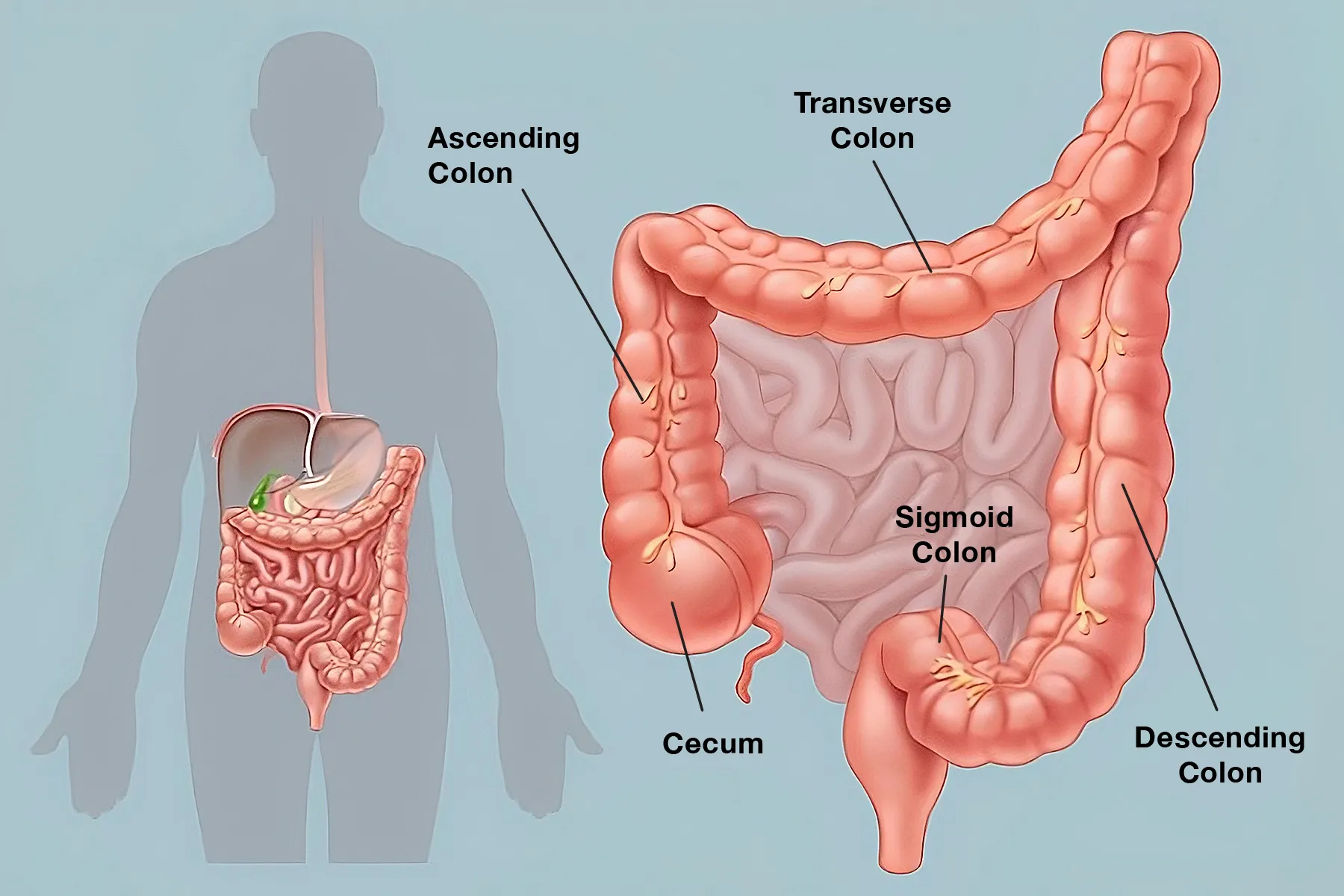
What does a colon cleanse involve?
Colon cleansing — also called colonic irrigation or colonic hydrotherapy — entails rinsing the colon with liquids to eliminate waste. This technique dates back to antiquity and is grounded in the belief that retained digestive waste can act as toxins in the body.
Typically a practitioner known as a colonic hygienist administers the cleanse while you lie on a table. The procedure can involve passing roughly 60 liters of fluid through a tube inserted into the rectum. Waste and fluids are expelled through a separate tube, and the process is repeated as needed.
You can also buy at-home colon irrigation kits and products online or at drugstores.
The claimed benefits of colon cleansing
Advocates of colon cleansing maintain that removing so-called toxins from the digestive tract can lead to benefits like weight loss, improved digestion, more energy, and clearer mental focus. However, most of these assertions are not well-supported by robust scientific evidence.
One small pilot study from 2016 reported improvements in gastrointestinal symptoms following colonic irrigation in patients with irritable bowel syndrome.
Despite findings like the one above, colon cleansing should be treated with care because it can cause harm to the colon. Below we summarize the potential complications.
There are numerous risks
The potential hazards linked to colon cleansing far outweigh the list of proven benefits.
Dehydration
Some of the weight lost after a colon cleanse is simply waste removal, but the procedure also expels fluids. Excessive fluid loss can lead to dehydration and, in severe situations, kidney failure.
Electrolyte imbalance
Colon irrigation can disturb levels of electrolytes such as potassium and sodium. These ions transmit electrical signals between cells, and imbalances may cause fainting or kidney injury.
Disruption of bacteria and infections
The instruments and fluids used during colon cleansing can introduce harmful bacteria to the lower digestive tract. At the same time, the procedure may wash away beneficial bacteria that would normally help prevent infection.
Bowel perforation
Bowel perforation is a tear in the wall of the lower intestine and represents a medical emergency. While early signs include fever, severe pain, chills, and nausea, the condition can progress rapidly and may be life-threatening.
Guidelines for safer colon cleansing
If you understand the risks yet still want to pursue colon cleansing, there are steps you can take to lower the chance of adverse effects.
- Consult your physician first. Certain individuals are at heightened risk for complications and should seek medical advice before proceeding.
- Stay well hydrated. Drink ample water both before and after the procedure to help prevent dehydration.
- Pick your practitioner carefully. There are no universal licensing standards for colonic hygienists, though some belong to professional groups that require basic training in first aid and CPR. Ask for referrals and speak with prior clients before booking an appointment.
- Insist on new, disposable supplies and strict hygiene. Verify that your hygienist follows proper disinfection protocols and uses disposable components when possible. Poor sterilization can spread bacteria.
Other options
Besides traditional irrigation, many commercial products claim comparable effects using oral supplements. These come as capsules, powders, or teas and often contain plant fibers or natural laxatives. If you choose supplements, follow the label directions and review ingredients with your doctor.
Frequently Asked Questions
A colon cleanse (colonic irrigation) involves flushing the colon with fluids via a tube inserted into the rectum to expel waste. It may be done by a practitioner or with at-home kits.
Claims include improved digestion, weight loss, and increased energy, but strong scientific evidence is limited. Some small studies show symptom relief in specific conditions, but benefits are not universally proven.
Major risks include dehydration, electrolyte imbalance, disruption of gut bacteria, infection from unsterile equipment, and rare but serious bowel perforation.
People with heart or kidney disease, severe diverticulitis, Crohn’s disease, recent colon surgery, or weakened immune systems should avoid colon cleansing unless cleared by a physician.
Consult your doctor first, stay well hydrated, select a reputable practitioner who uses disposable or well-sterilized equipment, and follow pre- and post-procedure care instructions.




Related Posts

Retroperitoneal Inflammation
Sep 12, 2026 • 14 min read
White Specks in Stool
Aug 28, 2026 • 17 min read
How Long Does It Really Take to Sober Up?
Aug 23, 2026 • 12 min read
Constipation and Back Pain
Aug 1, 2026 • 32 min read
Proteolytic Enzymes: How They Work, Benefits and Sources
Sep 13, 2026 • 17 min read