Monk Fruit Sweetener: Benefits and Safety

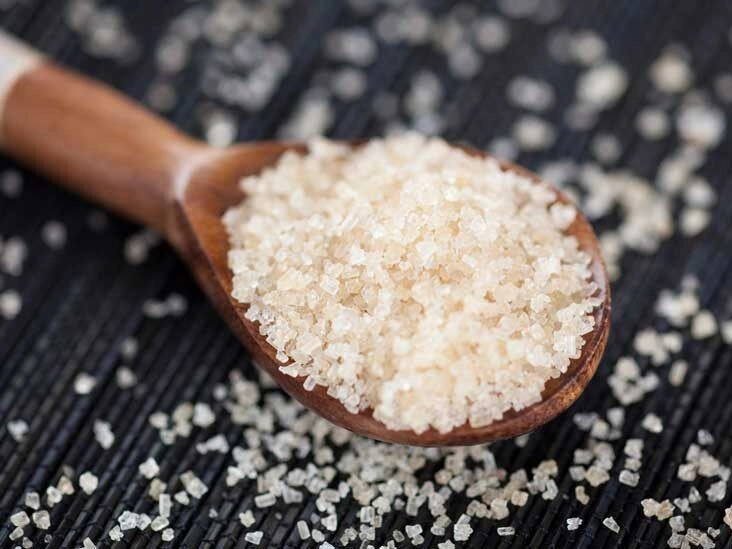
Monk fruit sweetener is a natural sugar substitute that contains no calories and is believed to possess antioxidant qualities.
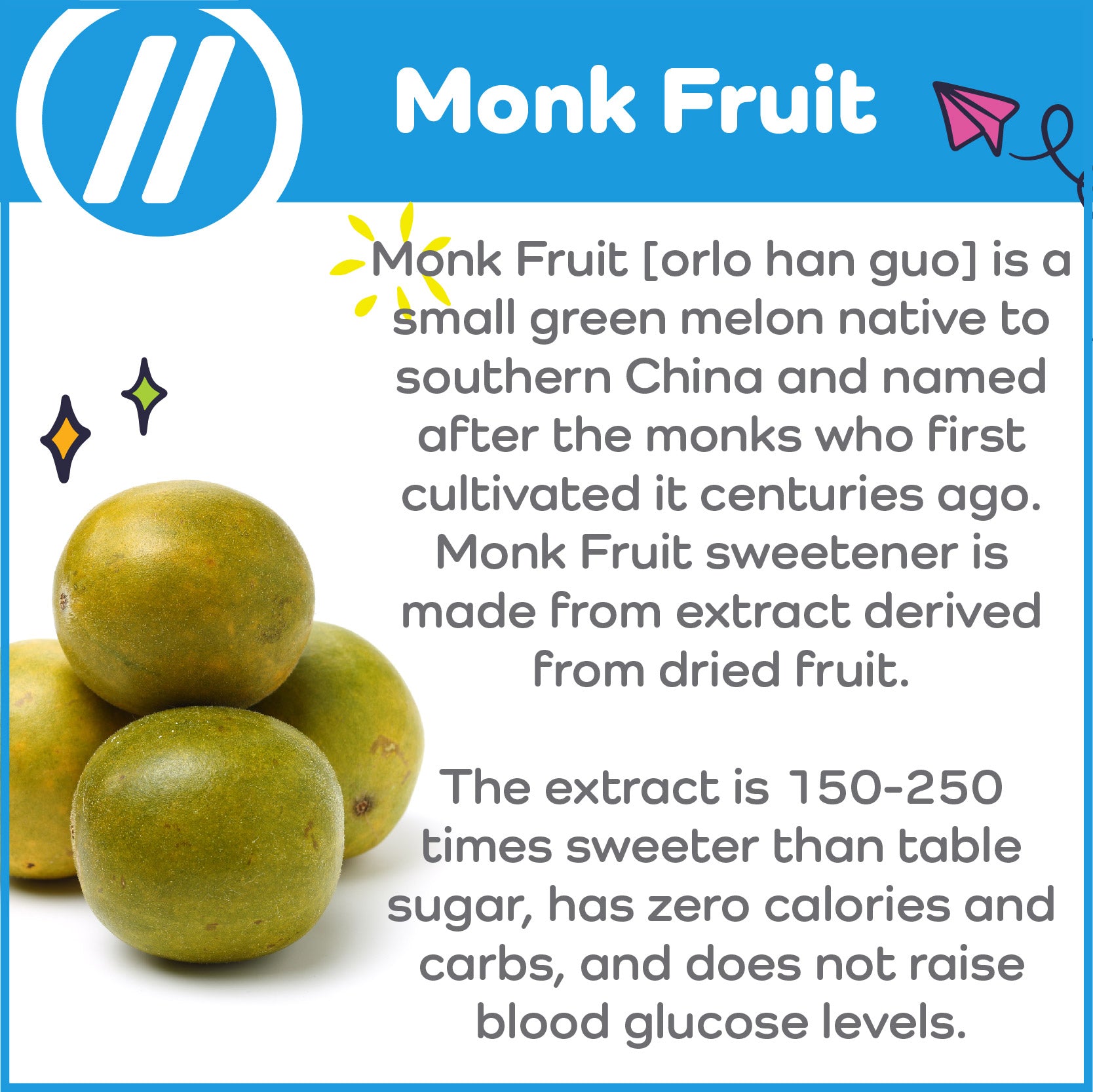
It is derived from the monk fruit, also called luo han guo or “Buddha fruit,” a small round fruit cultivated in Southeast Asia.
Monk fruit extract can be used as:
- a component in foods and beverages
- a taste enhancer
- an element in sweetener mixtures
Monk fruit naturally contains sugars, including fructose and glucose.
However, unlike most fruits, its sweetness does not come from these sugars. Instead, its intense sweet taste comes from distinctive antioxidant compounds known as mogrosides.
This fruit has a long history of use in traditional Chinese medicine and has been utilized as a sweetening agent.
The sweetener is produced by removing the skin and seeds, crushing the fruit to extract the juice, and then drying that juice into a concentrated powder.
During processing, mogrosides are separated from the fresh-pressed juice, so commercial monk fruit sweetener does not contain fructose or glucose.
Monk fruit sweetener and weight control
Monk fruit sweetener is often promoted as an aid for weight loss.
Because it contains zero calories, some people believe it can lower overall calorie intake. Yet, it’s a relatively recent addition to the market and there are no direct studies assessing its impact on body weight.
Still, research on other low-calorie sweeteners suggests that replacing sugar with noncaloric alternatives may support weight management.
Possible health advantages of monk fruit sweetener
Research indicates that mogrosides, the primary constituents of monk fruit, have antioxidant and anti-inflammatory effects .
Because of these properties, they could provide various health benefits.
Antioxidant action
Mogroside extracts display antioxidant and anti-inflammatory activity by neutralizing certain damaging molecules and helping protect DNA from harm.
However, these effects have not yet been confirmed in human trials.
Anticancer potential
Some studies suggest mogrosides may hinder the growth of cancer cells.
A 2022 animal study reported that mogrosides reduced lung cancer growth in mice. Still, human research is needed to clarify this potential.
Antidiabetic potential
As monk fruit sweetener contains no calories or carbohydrates, it does not raise blood sugar levels, making it a potentially suitable choice for people with diabetes.
A 2019 rat study found that mogroside V, the predominant mogroside in monk fruit extract, improved fasting glucose and insulin sensitivity. Human studies are required to better understand these effects.
Because monk fruit extract is frequently blended with other sweeteners, check product labels carefully before buying.
»Learn more:The Best Sugar Substitutes for People with DiabetesIs monk fruit sweetener safe?
Monk fruit sweetener is fairly new in commercial use and there aren’t many studies looking at its long-term effects.
Although no specific adverse effects have been identified so far, it’s wise to use it in moderation.
Consult a healthcare professional for guidance about the safety of monk fruit sweetener given your personal health situation.
The bottom line
Monk fruit sweetener is made from the juice of monk fruit and is approximately 100 to 250 times sweeter than table sugar.
It may help with weight control and contains antioxidant and anti-inflammatory compounds. While mogroside extracts show potential health benefits, further research is needed.
At present, it’s unclear what amount would be necessary to achieve any of these benefits.
Talk with a physician for more information about monk fruit sweetener and other sugar alternatives.
Frequently Asked Questions
Monk fruit sweetener is a zero-calorie natural sweetener made from the juice of the monk fruit (luo han guo). The intense sweetness comes from mogrosides, antioxidant compounds separated from the fruit’s sugars during processing.
Current evidence suggests monk fruit sweetener is generally safe when used in moderation. Long-term human studies are limited, so consult a healthcare professional if you have specific health concerns.
Yes; commercial monk fruit sweetener contains no calories or carbs and does not raise blood sugar, making it a potential option for people with diabetes. Always check product labels for added ingredients.
Monk fruit sweetener may support weight management by replacing sugar and lowering calorie intake, but direct evidence on weight loss is limited and more research is needed.
Mogrosides show antioxidant and anti-inflammatory effects in lab and animal studies and may have anticancer or antidiabetic potential, but human trials are needed to confirm clinical benefits.



Related Posts

Reviews of the Top Diabetes Cookbooks
Sep 26, 2026 • 9 min read
Can You Eat Pumpkin or Pumpkin Seeds Raw?
Sep 1, 2026 • 5 min read
How to Use an Alum Block When Shaving
Aug 7, 2026 • 3 min read
The 20 Best Low Carb Vegetables (Plus 1 Great Low Carb Fruit)
Aug 30, 2026 • 26 min read
8 Health and Nutrition Benefits of Jicama
Aug 10, 2026 • 15 min read