Everything You Need to Know About Vetiver Essential Oil

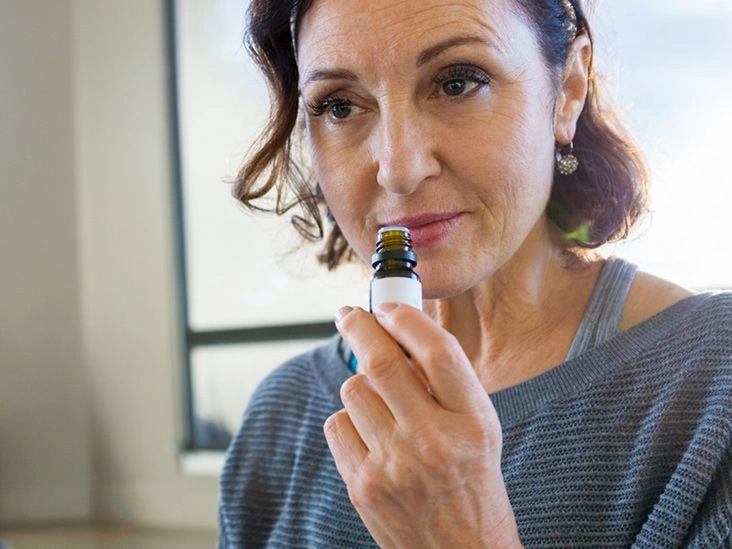
Vetiver oil has a distinct sharp, earthy aroma you might recognize from men’s fragrances. It’s commonly used as a complementary remedy to promote calm and relaxation, though scientific evidence supporting its health effects is limited.
Also known as khus oil, vetiver essential oil is obtained from the vetiver plant (Vetiveria zizanioides). The oil is produced by distilling the plant’s roots, which are aged and then soaked in water. The concentrated oil that separates is collected from the surface.
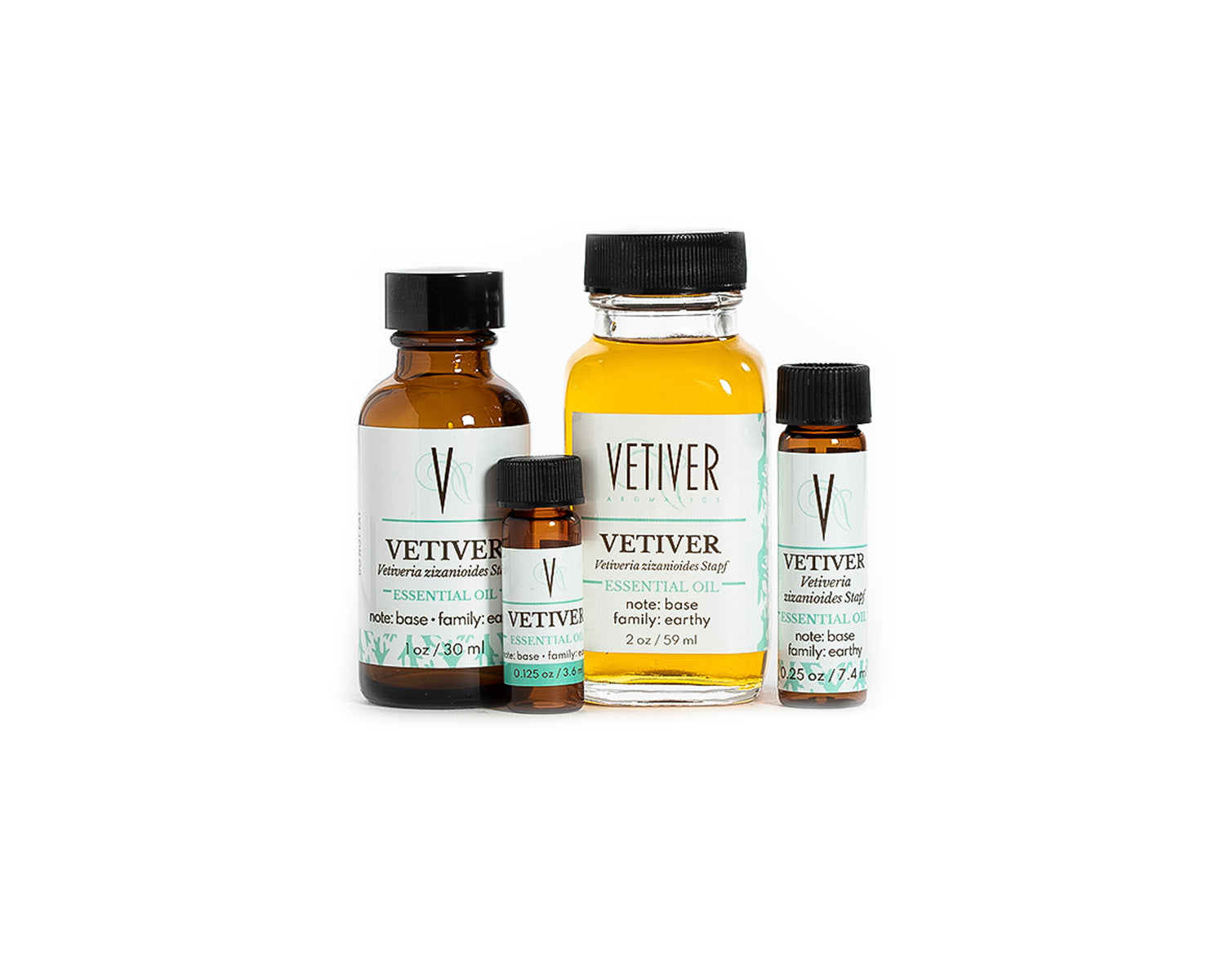
In holistic circles, vetiver oil is prized for its soothing, grounding qualities. Some preliminary research has explored its potential for improving alertness, addressing ADHD symptoms, and reducing mental fatigue, but definitive proof is lacking.
Read on to learn what current evidence says about vetiver oil’s possible health benefits.
Vetiver oil uses and benefits
Vetiver oil has characteristics that make it attractive for aromatherapy applications. Still, many studies to date are small-scale or conducted in animals, so its advantages remain unconfirmed.
Vetiver oil for alertness
A 2016 animal study reported that inhaling vetiver oil was associated with increased overall wakefulness and a reduction in slow-wave sleep, suggesting it might boost alertness.
While human data are lacking, inhaling vetiver essential oil poses minimal risk for most people when used properly.
Vetiver oil for anxiety
A 2015 animal study exposed rats to vetiver scent and found reduced anxiety-like behavior in a maze test. However, human trials are necessary to clarify how vetiver oil might affect anxiety.
It’s also possible that any benefit stems from aromatherapy itself. Research indicates that aromatherapy with various essential oils can be associated with decreased anxiety levels.
Vetiver essential oil for ADHD
Vetiver aromatherapy is sometimes promoted as a remedy for ADHD, but there is no published scientific evidence to support this claim.
Stronger, well-designed studies are required before recommending vetiver essential oil as a treatment for ADHD. Never substitute prescribed medications or treatments with an alternative approach without consulting your healthcare provider.
How to use vetiver essential oil
Vetiver oil is most commonly used in aromatherapy. When properly distilled and vaporized, it is generally safe to inhale. An aromatherapy diffuser dispersing pure vetiver oil is one common way to experience its scent.
Vetiver can also be applied to the skin but should always be diluted with a carrier oil like jojoba or coconut oil. A starting dilution is about 1–2 drops of vetiver oil per 10 drops of carrier oil; you can slowly increase the concentration if desired.
Do not ingest essential oils.
Learn more about safe essential oil use.
Is vetiver essential oil safe?
When used appropriately and in moderation, vetiver is generally considered safe. Consult your doctor if you are pregnant or breastfeeding before using vetiver essential oil.
Unless you have a known sensitivity to vetiver, topical application should be safe when the oil is diluted. Always perform a patch test on a small area of skin before wider use.
Inhaling vetiver via a diffuser is typically safe for most individuals, but exercise caution—especially when using aromatherapy around children.
Keep in mind that aromatherapy can affect pets as well; consider removing animals from the area while using a diffuser.
The bottom line
Vetiver oil is a relatively underused essential oil that may offer some benefits for relaxation and grounding, but research on its effects on the brain and body remains limited.
Many people find vetiver oil helpful in aromatherapy for promoting calm. If you apply it to your skin, always dilute it with a carrier oil first.
Frequently Asked Questions
Vetiver oil, also called khus oil, is an essential oil distilled from the roots of the Vetiveria zizanioides plant, known for its deep, earthy aroma.
It is mainly used in aromatherapy via diffusers and in topical blends when diluted with a carrier oil to promote relaxation, grounding, and sometimes alertness.
When diluted and used properly, vetiver is generally considered safe for most people. Pregnant or breastfeeding individuals should consult a healthcare provider before use.
Some preliminary studies and anecdotal reports suggest calming or focus-related effects, but strong human clinical evidence is lacking and it should not replace prescribed treatments.
Always dilute vetiver oil in a carrier oil (for example, 1–2 drops of vetiver per 10 drops of carrier oil) and perform a patch test before wider application.
Read Next

Proper Dosage for Botox Treatment on the Forehead, Eyes, and Glabella

Derma Roller for Hair Growth: Here’s What You Need to Know

5 Evidence-Based Ways Collagen May Improve Your Hair
Are There Benefits to Using Almond Oil on Your Face?

About Prickly Pear Seed Oil

The 8 Best Eco-friendly Razors for a More Sustainable Shave
Related Posts

What’s the Difference Between THC Lotion and CBD Lotion?
Aug 13, 2026 • 4 min read
The Skin Benefits of Palmarosa Oil, Plus Recipes and Safety Tips
Oct 7, 2026 • 14 min read
I Tried It: Neutrogena Hydro Boost Water Gel Review
Oct 1, 2026 • 20 min read
Green Tea for Hair: A Complete Guide
Aug 4, 2026 • 31 min read
How to Get Perky Breasts Without Surgery
Sep 9, 2026 • 5 min read