Your Guide to Eye Makeup with Sensitive or Dry Eyes

- Which makeup items should you pick?
- Which makeup items should you skip?
- Why do some products worsen dry eyes?
- Best practices for applying and removing makeup with dry eyes
- Removing makeup
- What about eyelash extensions and permanent eyeliner?
- Common questions about makeup for dry or sensitive eyes
- What makeup is safe for dry eyes?
- Which mascara is suitable for dry eyes?
- What eyeshadow works best for dry eyes?
- How should I apply eye makeup if I have dry eyes?
- Takeaway
Certain cosmetics, especially those with preservatives, can bother your eyes. It’s also important to keep brushes clean and remove all makeup before bedtime.
If your eyes are dry, you likely want relief and may be thinking about prescription eye drops, special ointments, or even procedures to block your tear ducts.
But did you realize your makeup routine could be worsening your dry eyes? Before pursuing medical treatments, consider adjusting how you use makeup.
Products that sit close to the eye — such as mascara and eyeliner — can introduce contaminants to your eyes and aggravate symptoms.
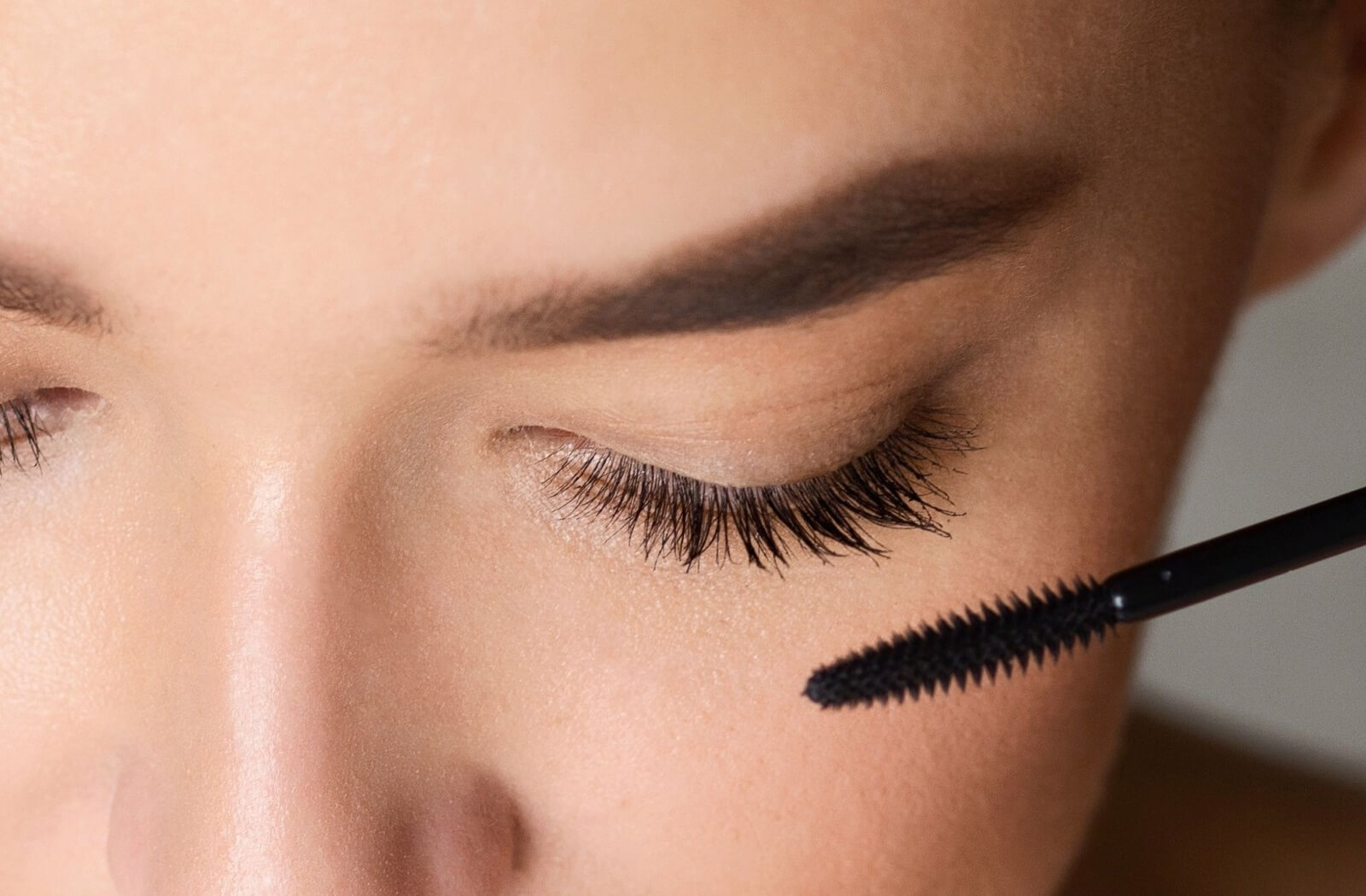
Read on to find out which cosmetics to select and avoid, along with practical tips for applying and removing eye makeup safely.
Which makeup items should you pick?
Some cosmetics are more likely to irritate dry eyes. Use these guidelines when choosing products:
- Opt for thickening mascara since it tends to flake less after it dries.
- Choose cream-based eyeshadows instead of powder formulas (to reduce fallout into the eye).
- Consider using an eyelash curler as an alternative to heavy mascara use.
Which makeup items should you skip?
With dry eyes, avoid certain products, including:
- old mascaras that crumble when dry (discard all eye makeup after about 3 months)
- makeup removers that contain oils or parabens
- powder and some liquid products, like certain eyeshadows and foundations
- cosmetics that include fragrance
Why do some products worsen dry eyes?
Many eye cosmetics touch the surface membranes of the eye — the cornea and conjunctiva. The cornea covers the colored part of the eye, and the conjunctiva covers the white; both are protected by a tear film.
Research indicates that where makeup is applied matters. One study measured glitter particles in tears after participants used eyeliner. Those who lined the inner lash margin had greater particle counts in their tear film than people who applied liner outside the lashes.
Investigators proposed that makeup particles migrating into the tear film can intensify irritation and dryness.
For example, crumbly mascara deposits particles into the tear film. Applying powder too close to the lower lash line raises the chance of particles moving into the eye. Powder eyeshadows can produce loose particles that expose the eye to more debris.
In short, eye makeup can thin the tear film, causing tears to evaporate faster. In some cases, makeup is the direct cause of dry eye symptoms.
Best practices for applying and removing makeup with dry eyes
Although eye cosmetics can cause issues, there are ways to reduce particle transfer. Follow these tips:
- Put lubricating eye drops in about 30 minutes before applying makeup.
- Use separate applicators for each product to prevent cross-contamination.
- Always apply eye makeup outside the lash line (avoid lining the inner eyelid margin).
- Apply mascara to the tips of the lashes only.
- Minimize mascara usage.
- Apply makeup to other facial areas rather than emphasizing the eyes.
- Sharpen eye pencils before each use.
Removing makeup
Careful removal is also key. Healthy habits include:
- Always remove eye makeup before sleeping.
- Clean makeup brushes regularly.
- Refrain from using cosmetics when you have an eye infection.
What about eyelash extensions and permanent eyeliner?
You might be tempted to use eyelash extensions or permanent eyeliner to avoid daily makeup, but these options can also worsen dry eyes.
Eyelash extensions can trap debris and worsen blepharitis, a condition often linked with dry eye. Some lash adhesives contain formaldehyde, which is harmful to the ocular surface and can lead to dryness.
Permanent eyeliner can also exacerbate dry eye. Studies have shown it may contribute to meibomian gland dysfunction, a major factor in dry eye.
Common questions about makeup for dry or sensitive eyes
What makeup is safe for dry eyes?
Choose formulas without preservatives like benzalkonium chloride (BAK), formaldehyde-releasing agents, or parabens, as these can irritate the glands that lubricate your eyes.
Avoid loose powder or glittery eyeshadows that can flake into the eye. Prefer creamy eyeshadows and thickening mascaras, since they’re less prone to fallout.
Try using an eyelash curler instead of heavy mascara, and select fragrance-free products because fragrances can trigger irritation.
Which mascara is suitable for dry eyes?
Pick hypoallergenic, thickening mascaras that exclude preservatives such as benzalkonium chloride (BAK), formaldehyde, or parabens.
Keep brushes clean and avoid applying eye cosmetics during an eye infection.
What eyeshadow works best for dry eyes?
Cream eyeshadows are preferable to powder or glittery options. Seek hypoallergenic formulations that are ophthalmologist-tested for sensitive eyes.
How should I apply eye makeup if I have dry eyes?
If you have dry eye, use lubricating eye drops about 30 minutes before makeup application. Apply eyeliner only outside the lash line — never on the eyelid margin.
Ensure your brushes are clean and choose hypoallergenic, ophthalmologist-tested products.
Other practical tips: always remove eye and face makeup before bed, wash brushes regularly, and avoid cosmetics while you have an eye infection.
Takeaway
The surest way to prevent eye irritation from cosmetics is to stop using eye makeup altogether. If you suffer from severe or persistent dry eye, avoiding eye cosmetics may be the best option.
That said, with good hygiene, careful application, appropriate product choices, and thorough nightly removal, many people can continue to wear makeup without worsening dry eye symptoms.
Frequently Asked Questions
Yes—many people with dry eyes can still wear makeup if they choose gentle, ophthalmologist-tested products, apply makeup outside the lash line, minimize mascara use, and follow strict hygiene and removal routines.
Choose hypoallergenic, fragrance-free formulas that avoid preservatives like benzalkonium chloride (BAK) and parabens. Cream eyeshadows and thickening mascaras that flake less are usually better choices.
Apply eyeliner outside the inner lash margin (not on the eyelid margin) and put mascara only on the tips of lashes. Use separate, clean applicators and wait about 30 minutes after lubricating drops before applying makeup.
They can worsen dry eye for some people. Extensions may trap debris and aggravate blepharitis; some adhesives contain irritants. Permanent eyeliner can affect meibomian gland function and increase dryness.
Always remove eye makeup before bed, clean and replace brushes regularly, discard eye cosmetics after ~3 months, avoid oily removers and fragranced products, and skip cosmetics when you have an eye infection.
Read Next

Is It Possible to Be ‘Too Wet’? Is This Really a Turn-Off?

What Is Tamarind? A Tropical Fruit with Health Benefits

The 11 Best Keto Frozen Meals

6 Reasons Working from Bed Isn't Doing You Any Favors

4 Best CBD Gummies for Anxiety and Stress in 2025

Tadalafil (Oral Tablet): Side Effects, Dosage, and Review
Related Posts

10 Back Exercises with Bands to Counteract Work-from-Home Posture
Sep 14, 2026 • 18 min read
What Is Cupuaçu? Benefits and Uses
Aug 13, 2026 • 36 min read
Green Tea for Hair: A Complete Guide
Aug 4, 2026 • 14 min read
Sublocade vs. Suboxone: What You Should Know
Aug 6, 2026 • 26 min read
Ballistic Stretching: Is It Safe?
Oct 3, 2026 • 17 min read