The Effects of Mixing Ritalin and Alcohol

Ritalin is a stimulant prescribed to treat attention deficit hyperactivity disorder (ADHD). It’s also prescribed in some cases for narcolepsy. Containing the active ingredient methylphenidate, Ritalin is available only by prescription.

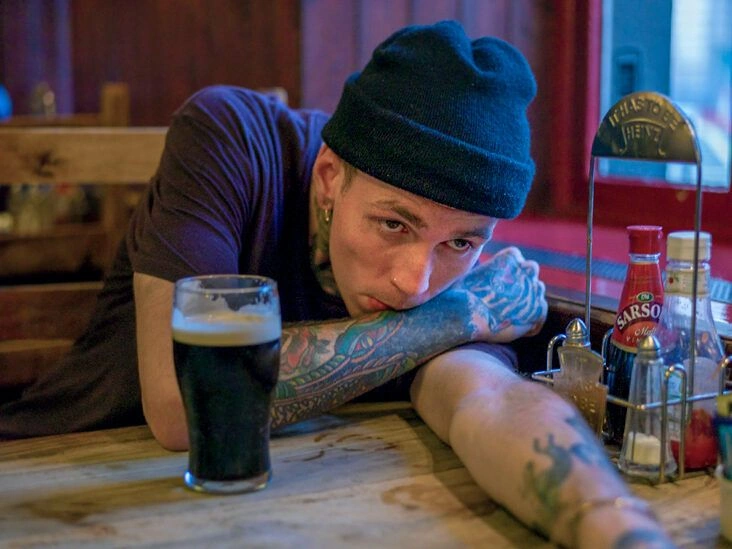
Consuming alcohol while taking Ritalin can alter how the medication acts in your body. For that reason, drinking alcohol while on Ritalin is not safe. Read on to understand the effects of combining alcohol with Ritalin and why mixing the two is a poor choice.
How Ritalin and alcohol interact
Ritalin is a central nervous system (CNS) stimulant. It increases levels of neurotransmitters such as dopamine and norepinephrine in the brain. Because it affects the CNS, it can also produce other bodily changes. These may include elevated blood pressure and heart rate, faster breathing, fever, and enlarged pupils.
Alcohol, in contrast, is a CNS depressant. CNS depressants slow bodily functions. Alcohol can make speech difficult or slurred, impair coordination and balance, and make walking harder. It also reduces clear thinking and weakens impulse control.
Learn more: The effects of alcohol on the body »
Despite appearing to have opposite actions, the effects of Ritalin and alcohol don’t simply neutralize each other. Instead, the two substances interact in ways that can create significant problems. These include increased adverse effects and heightened risks of drug overdose, alcohol poisoning, and withdrawal.
Increased side effects
Alcohol alters how your body metabolizes Ritalin. That can lead to higher levels of Ritalin circulating in your system, increasing the likelihood of Ritalin-related side effects. Possible side effects include:
- rapid heart rate
- elevated blood pressure
- sleep disturbances
- mood disturbances, such as depression
- anxiety
- drowsiness
Ritalin use also carries a risk for heart-related complications, particularly for people with existing heart conditions. In rare but severe instances, Ritalin use has been linked to:
- heart attack
- stroke
- sudden death
Because alcohol raises the chance of experiencing Ritalin side effects, it similarly increases the small but real risk of serious cardiac events.
Overdose
Mixing alcohol with Ritalin also increases the risk of a drug overdose. Alcohol can lead to greater concentrations of Ritalin in the body. When drinking, the chance of overdosing on Ritalin exists even if you’re taking the prescribed dose.
The overdose risk is particularly pronounced with long-acting or extended-release formulations of Ritalin taken with alcohol. Alcohol can cause these formulations to release their drug contents more quickly into the body all at once.
Alcohol poisoning
Using Ritalin alongside alcohol raises the risk of alcohol poisoning. Ritalin can mask alcohol’s CNS-depressing effects, making you feel more alert and less aware of how intoxicated you are. In other words, it blunts your ability to gauge your level of drunkenness.
As a result, you might drink more than you normally would, which can lead to alcohol poisoning. This dangerous condition can depress breathing, cause confusion, lead to unconsciousness, and even be fatal.
Withdrawal
If you consume alcohol and Ritalin together regularly, you may develop physical dependence on one or both substances. That means your body may come to require both to function normally. Stopping either substance could then produce withdrawal symptoms.
Alcohol withdrawal symptoms can include:
- tremors
- anxiety
- nausea
- sweating
Ritalin withdrawal symptoms can include:
- fatigue
- depression
- difficulty sleeping
Contact your doctor promptly if you believe you’ve become dependent on alcohol, Ritalin, or both. Your clinician can help you access appropriate support to address substance use. If necessary, your doctor may switch you to an alternative ADHD medication.
Read more: Alcohol withdrawal »
Alcohol and ADHD
Alcohol can also negatively affect ADHD itself. Some research has found that alcohol use can worsen ADHD symptoms. Because people with ADHD may be at greater risk for misusing alcohol, these findings are particularly relevant. Other studies suggest those with ADHD may be more susceptible to alcohol impairment. For all these reasons, consuming alcohol can be risky for someone with ADHD.
Talk with your doctor
Ritalin is a potent medication that should not be combined with alcohol. If you’re taking Ritalin and feel a strong urge to drink, discuss it with your doctor. Questions you might ask include:
- Would another ADHD medication be safer for me?
- What nonmedication options exist for treating ADHD?
- Can you refer me to a local alcohol treatment resource?
Frequently Asked Questions
No. Drinking alcohol while taking Ritalin is unsafe because alcohol can change how Ritalin is metabolized, increasing side effects and risks like overdose and alcohol poisoning.
Alcohol can raise circulating levels of Ritalin, heightening side effects such as rapid heart rate, elevated blood pressure, anxiety, sleep problems, and in rare cases serious cardiac events.
Yes. Alcohol can cause higher concentrations of Ritalin or cause extended-release forms to release more quickly, increasing the chance of overdose even at prescribed doses.
Yes. Ritalin’s stimulant effects can blunt alcohol’s depressant sensations, making you feel more alert and leading you to drink more, which raises the risk of alcohol poisoning.
Talk to your doctor promptly. They can assess your situation, suggest safer treatment alternatives, and connect you with appropriate support or addiction resources if needed.



Related Posts
What Are the Effects of Thumb Sucking on the Teeth and Mouth?
Aug 11, 2026 • 29 min read
Stretches and Exercises to Help Ease SI (Sacroiliac) Joint Pain
Oct 5, 2026 • 23 min read
Try These Squats for Glutes for a Well-Rounded Workout
Sep 18, 2026 • 27 min read
Everything You Need to Know about Sensory Deprivation Tank Therapy
Aug 11, 2026 • 14 min read
Stretches to Do at Work Every Day
Sep 21, 2026 • 14 min read