Are Graham Crackers Healthy? Nutrition, Benefits, Downsides

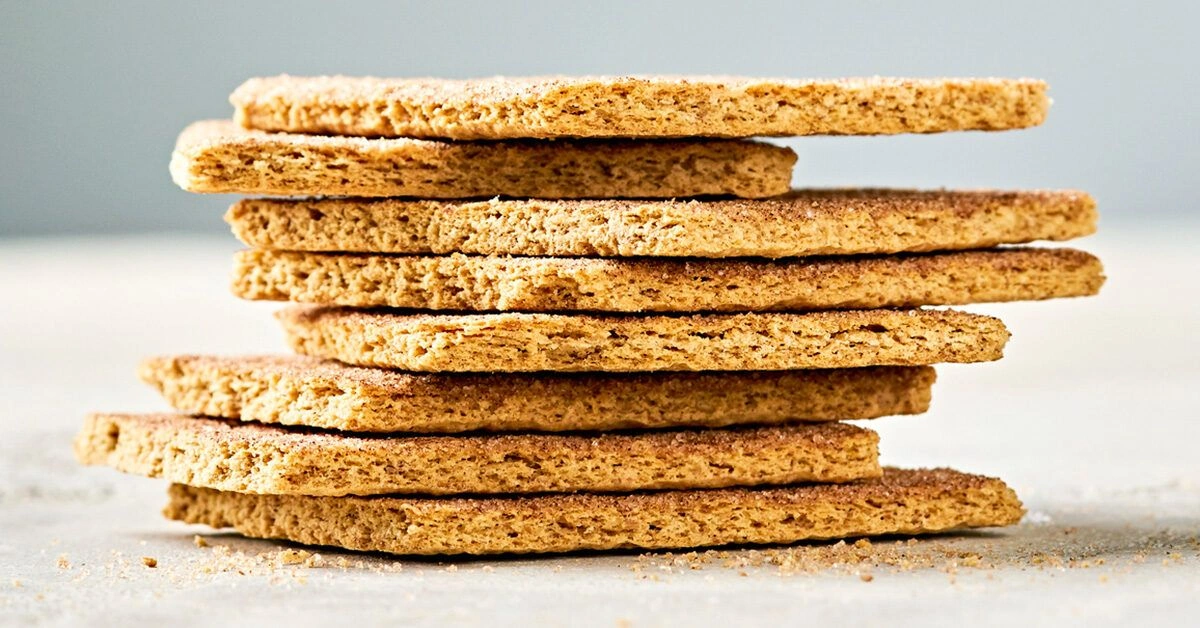
- What are graham crackers?
- Nutritional profile of graham crackers
- Are graham crackers a healthy snack for toddlers and kids?
- Are graham crackers a healthy snack for heart health?
- Are graham crackers a healthy snack for diabetes?
- Potential downsides of eating graham crackers
- Healthier ways to enjoy graham crackers
- The bottom line
- Just one thing
Graham crackers likely evoke images of campfire s’mores or convenient snacks you might hand to the kids in your life.
They’re a sweet, crunchy treat enjoyed by people of all ages, but you may be curious whether they’re a nutritious option.
This piece examines the nutrition of graham crackers and evaluates whether they’re a sensible choice for heart health, blood sugar management, and children’s diets.
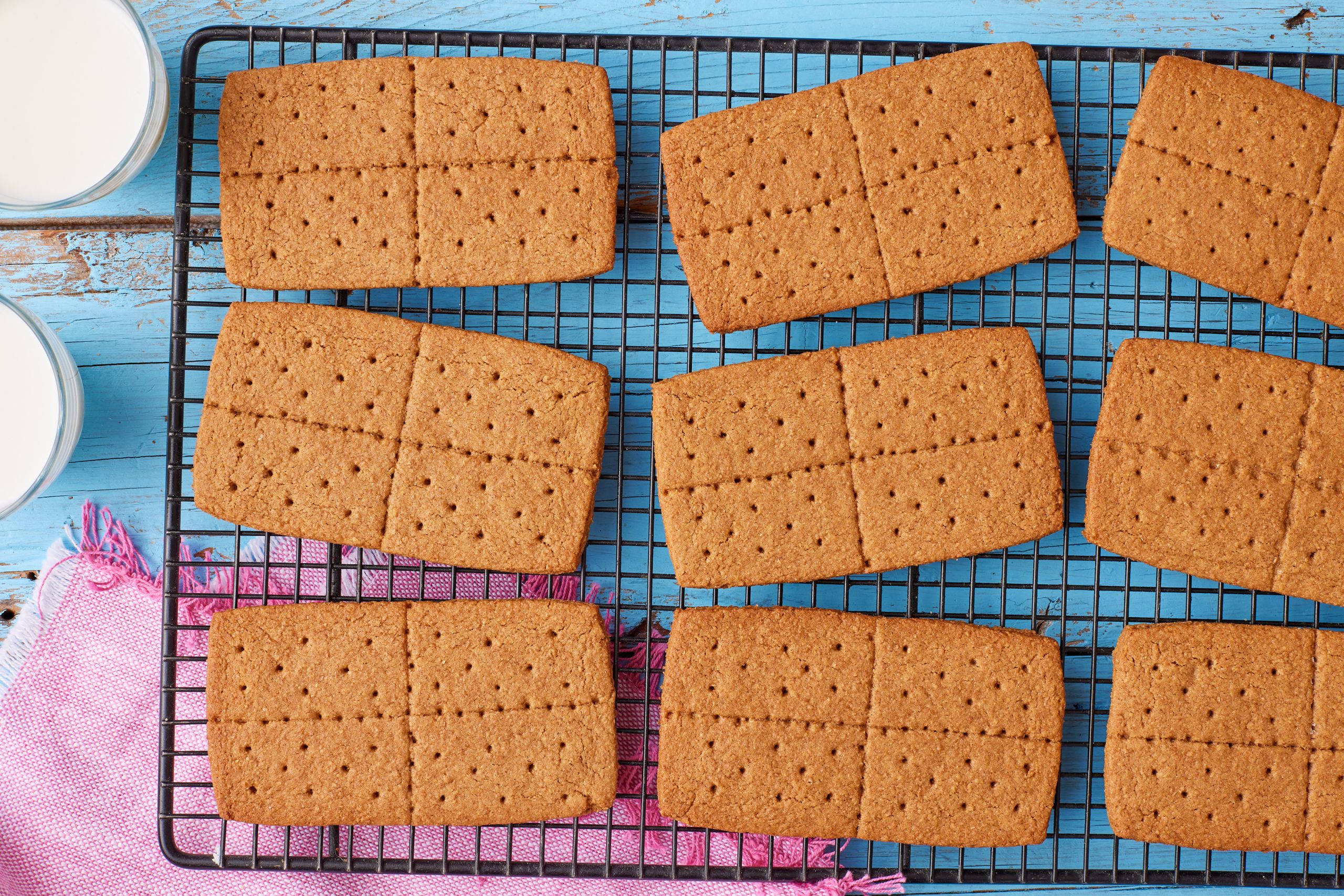
What are graham crackers?
Graham crackers are made from enriched wheat flour, whole wheat flour, sugar, canola or palm oil, a leavening agent such as baking soda, and salt.
Depending on the manufacturer, graham crackers can also contain ingredients like molasses, honey, cinnamon, chocolate, or soy lecithin.
Because they’re produced from wheat flour, graham crackers are not gluten-free. They are generally vegan unless honey is included — and whether honey is acceptable varies among vegans.
Nutritional profile of graham crackers
About an ounce (28 grams) of graham crackers — roughly two full cracker sheets — contains (1 ):
- Calories: 122
- Total fat: 3 grams
- Carbohydrates: 22 grams
- Fiber: <1 grams
- Sugar: 7 grams
- Protein: 2 grams
- Cholesterol: 0 mg
- Sodium: 146 mg
- Magnesium: 9% recommended daily value (DV)
- Selenium: 11% DV
- Niacin: 27% DV
Exact nutrient amounts, including fiber, will differ by brand and the proportion of whole grain used.
Generally, graham crackers are fairly low in calories but, being primarily carbohydrates, they’re also low in fat, fiber, and protein.
They contain no cholesterol and have a moderate sodium level.
However, their added sugar is somewhat high, so they’re not the best option for frequent, large-quantity snacking.
Are graham crackers a healthy snack for toddlers and kids?
Although graham crackers may include whole grain wheat flour, they provide under one gram of fiber per serving.
According to the United States Department of Agriculture (USDA) 2020–2025 Dietary Guidelines for Americans, children aged 2–18 should get 14–31 grams of fiber daily, depending on age (2 ).
Beyond being low in fiber, a serving of graham crackers supplies about 6–8 grams of added sugar, depending on the brand.
The American Academy of Pediatrics recommends that children under 2 avoid added sugars entirely, and that older kids stay below 25 grams of added sugar per day (3).
Like many commercial snack items, graham crackers are fine in moderation for toddlers and children.
To boost their nutritional value, serve them with fruit for extra fiber or spread nut butter on top for healthy fat and protein. Graham crackers topped with peanut butter and raisins remain a popular choice among kids.
Are graham crackers a healthy snack for heart health?
Foods highest in fiber and lowest in added sugar, along with a variety of produce and healthy fats, are best for cardiovascular health. That said, you can still enjoy graham crackers — just be aware of your total added sugar intake.
Two full graham cracker sheets have roughly 7 grams of added sugar, which is about one-third of the recommended daily limit for women.
The American Heart Association advises women to consume no more than 25 grams of added sugar per day and men no more than 36 grams per day (4).
To support heart health, enjoy graham crackers occasionally and pair them with fiber-, protein-, and healthy fat-rich foods like fruit, nut butter, or Greek yogurt.
Are graham crackers a healthy snack for diabetes?
People with diabetes can include graham crackers in their diet, bearing in mind that a serving contains about 22 grams of total carbohydrates and 6–8 grams of total sugar. Limit to one serving for a snack and combine with fiber and protein to balance blood sugar.
Pairing graham crackers with protein, fiber, and fat can blunt their effect on blood glucose and insulin. Try crumbling one cracker sheet over plain Greek yogurt with berries.
Choosing a single cracker sheet rather than two cuts carbs and sugar roughly in half — about 11 grams of carbs and 3–6 grams of sugar.
Potential downsides of eating graham crackers
The primary drawback of graham crackers is that a serving contains about 7 grams of added sugar. Health organizations recommend women limit added sugar to 25 grams per day and men to 36 grams per day (4).
It’s also advised that children over age 2 consume no more than 25 grams of added sugar daily, while those 2 and under should avoid added sugar entirely (3).
Healthier ways to enjoy graham crackers
Consume graham crackers in moderation. Instead of purchasing them every trip to the store, consider buying them occasionally as a treat.
To make them a more nutritious snack, pair graham crackers with quality sources of fiber, protein, and healthy fats to slow blood sugar rises and increase satiety.
For example, use two graham squares to make a peanut butter and berry “sandwich.”
Or, blend cinnamon and raspberries into plain Greek yogurt and sprinkle crushed graham crackers on top for a sweet, protein-rich parfait.
The bottom line
Graham crackers can fit into a healthy diet when paired with protein, fat, and fiber. They may be relatively high in added sugar and low in fiber despite their carbohydrate content, so consuming them in moderation is wise.
This is particularly important for individuals with diabetes.
These packaged treats aren’t very high in calories, fat, or sodium for most people, but frequent consumption warrants caution. Consider saving them for occasional treats rather than everyday snacks.

Just one thing
Try this today: Instead of cookies after dinner, serve two graham cracker sheets topped with quality peanut butter and a few dark chocolate chips.
Frequently Asked Questions
A typical serving (about two sheets) contains roughly 6–8 grams of added sugar, which is moderate but significant compared with daily recommended limits, so moderation is advised.
Graham crackers are okay occasionally, but because they’re low in fiber and have added sugar, daily consumption isn’t ideal—pair with fruit or nut butter to boost nutrition.
People with diabetes can have graham crackers in small portions (one sheet) and should combine them with protein, fiber, or healthy fats to reduce blood sugar spikes.
Some brands include whole wheat flour, but many use enriched flour and provide under 1 gram of fiber per serving; check labels to confirm whole-grain content.
Pair them with protein and healthy fats (like nut butter), add fruit for fiber, use single sheets instead of two, or sprinkle crushed crackers over Greek yogurt for a balanced treat.




Related Posts

Carbohydrates in Brown, White, and Wild Rice: Whole vs. Refined Carbs
Aug 5, 2026 • 18 min read
2025 Noom Diet Review: Follow Our Reviewer’s 12-Month Weight Loss Journey
Sep 17, 2026 • 30 min read
What Is Wormwood, and How Is It Used?
Aug 5, 2026 • 12 min read
How to Use an Alum Block When Shaving
Aug 7, 2026 • 3 min read
Reviews of the Top Diabetes Cookbooks
Sep 26, 2026 • 30 min read