Lyly

Practical Schizophrenia Management Strategies for You
Hey there! If you’ve landed on this page, chances are you (or someone you care about) are looking for straightforward ways to feel better day‑to‑day while living with schizophrenia. The good news? A solid plan doesn’t have to be a maze of jargon—it’s a blend of the right schizophrenia medication, proven schizophrenia therapy, everyday coping tricks, and a few lifestyle tweaks. Below you’ll find a friendly walkthrough of what works,…
Hidradenitis Suppurativa Ear: What You Need to Know
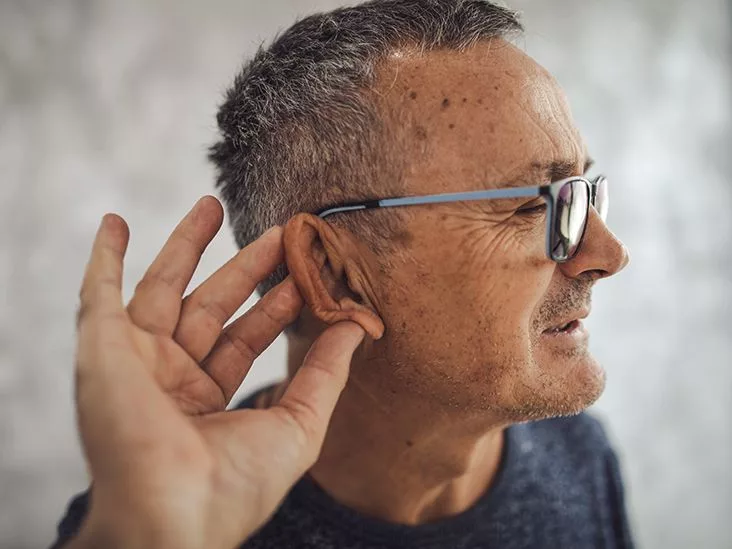
Ever noticed a stubborn, painful lump behind your ear that just won’t quit? You’re not imagining things, and you’re certainly not alone. Hidradenitis suppurativa (HS) can set up shop in that “out‑of‑sight” spot, and while it’s not the most common place for the disease, it can be just as frustrating. In the next few minutes we’ll walk through everything you might be wondering about – from the tell‑tale signs to…
Sleep Apnea Fatty Liver (MASLD): What You Need Know
Hey there, friend. If you’ve ever woken up feeling exhausted, noticed a stubborn belly‑fat pattern, or wondered why your doctor mentioned “elevated liver enzymes,” you might be sitting at the crossroads of two surprisingly connected health issues: sleep apnea and fatty liver. In this post I’m going to unpack the science, share real‑life stories, and give you a clear game plan—so you can stop guessing and start taking action. Quick…
Why Understanding Macular Degeneration Causes Matters
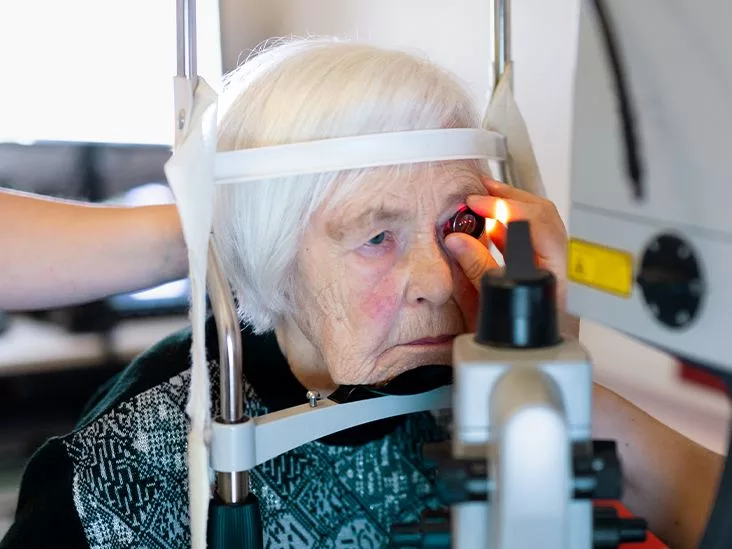
Got a question about why your eyes might be getting a little foggy? You’re not alone. The short answer is that knowing the macular degeneration causes can help you cut down risk, spot problems early, and choose the right age related macular degeneration treatment before it steals your central vision. Why Causes Matter Link Between Causes & Risk Every factor that nudges your macula toward trouble also nudges your macular…
CIPO Life Expectancy: What You Need to Know Today
Let’s jump right in: people living with chronic intestinal pseudo‑obstruction (CIPO) face a wide spectrum of life‑expectancy outcomes. Babies diagnosed early often have a tougher road, while many adults enjoy 15‑30 years after diagnosis—especially when they’re on the right treatment plan. In the next few minutes you’ll get a clear, friendly rundown of the numbers, the why‑behind‑them, real‑world stories, and practical steps you can take right now. Understanding CIPO What exactly…
Understanding Menopause’s Impact on the Labia Minora
During menopause the inner lips of the vulva (the labia minora) often become thinner, less elastic, and may lose volume or colour. These changes are a normal part of genitourinary syndrome of menopause (GSM) and can affect comfort, sensation and confidence. You don’t have to live with surprise‑discomfort. Below you’ll find the science behind the changes, practical ways to protect tissue health, and when a doctor’s help is the best move…
Period After Menopause: What Really Happens to You
Short answer: once you’ve gone a full year without a period, you’re officially post‑menopausal, and a “regular” period will not return. If you notice any bleeding after that point, it’s a signal your body is trying to tell you something, and it’s worth getting checked out right away. Why does this matter? Because post‑menopausal bleeding can be a harmless “false alarm” or a sign of something that needs attention, like…
Postmenopausal Bleeding Cancer: What You Need to Know
Seeing a drop of blood after you’ve been blissfully period‑free can feel like a tiny alarm clock going off at the worst possible moment. The truth is that postmenopausal bleeding can be a sign of cancer, but in more than nine‑tenths of cases it comes from something completely harmless. Knowing the difference, understanding the next steps, and taking action early is the best way to keep calm and stay healthy.…
Endometriosis Surgery Recovery: What to Expect & Prep
Hey there, friend. If you’re reading this, you’ve probably got a surgery on the horizon or you’ve just come out of the operating room and are wondering what the next few weeks will look like. Let’s cut straight to the chase: recovery after endometriosis surgery is a journey, but with the right prep, a solid plan, and a little patience, you can get back to feeling like yourself again. Below…
MDMA Therapy for PTSD: What You Need to Know Today
Short answer: No, taking MDMA by yourself at home isn’t considered MDMA‑assisted therapy for PTSD, and it can be dangerous without professional supervision. Why it matters: The therapeutic effect of MDMA comes from a carefully managed protocol that pairs a measured dose with a trained therapist’s guidance before, during, and after the session. Skipping those safeguards removes the very things that make the treatment safe and effective. What Is MDMA‑Assisted…