What’s Causing My Back Pain and Nausea?


- Why back pain and nausea happen together
- Causes by body system
- Kidneys and urinary tract
- Digestive system
- Spine and muscles
- Reproductive and hormonal causes
- Other causes worth knowing
- Where the pain is can narrow it down
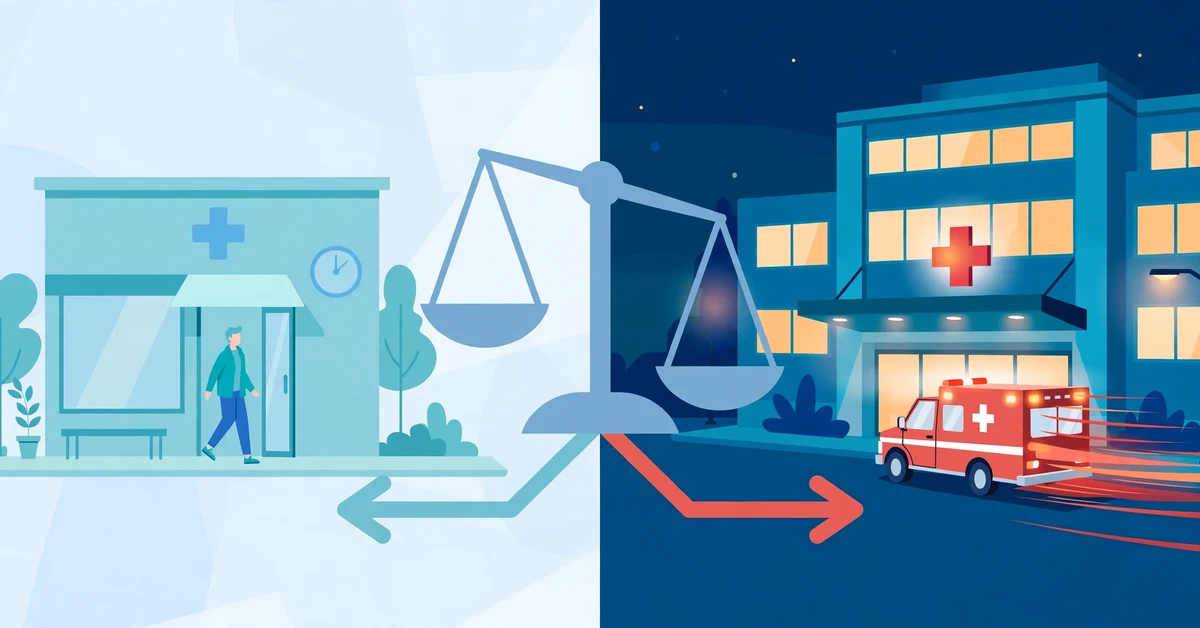
- Red flags: when to seek emergency care
- How doctors diagnose the cause
- Treatment: it depends on the cause
- Home care for mild, benign causes
- Can back pain and nausea be prevented?
- Sources
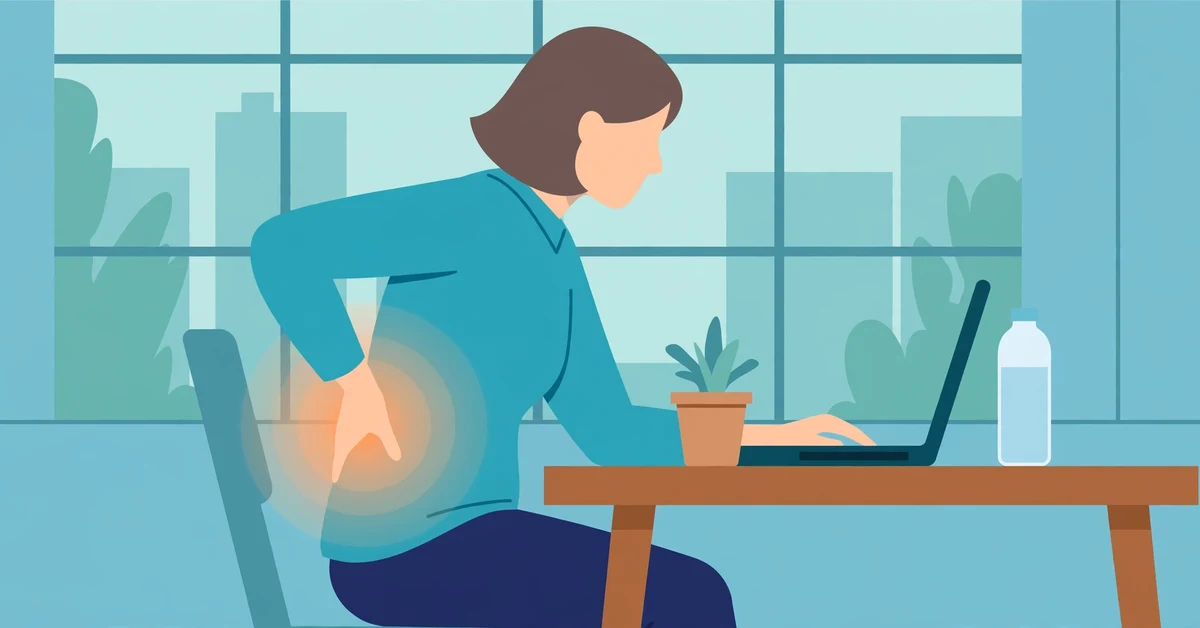
Back pain and nausea are each common on their own, so it is not surprising that they often show up together. Sometimes they share a single cause — a problem in an internal organ can generate both symptoms at once. Other times they are linked indirectly: severe pain of any kind can trigger nausea through the nervous system, and some medicines taken for back pain cause nausea as a side effect.
Most episodes turn out to be something manageable, such as a stomach virus, menstrual cramps, or a strained back combined with an upset stomach. Occasionally, though, the combination is an early warning of a condition that needs urgent care, such as a kidney infection, pancreatitis, or a spinal emergency. This guide walks through the causes by body system, the warning signs that mean you should seek emergency care, how doctors work out the cause, and what you can safely do at home in the meantime.
Why back pain and nausea happen together
The nerves that carry pain signals from the internal organs enter the spinal cord at many of the same levels as the nerves from the back and abdominal wall. Because of this overlap, the brain can misread distress in an organ — the kidneys, gallbladder, pancreas, or bowel — as pain in the back. Doctors call this referred pain.
Nausea enters the picture through the same wiring. Intense pain activates the body’s stress response and stimulates the vagus nerve and the vomiting center in the brainstem, which sit close to the pathways that process visceral (organ) pain. This is why a kidney stone, a gallbladder attack, or even a severe muscle spasm can make you feel sick to your stomach even though nothing is wrong with the stomach itself.
Finally, some treatments for back pain — particularly opioids, muscle relaxants, and nonsteroidal anti-inflammatory drugs (NSAIDs) such as ibuprofen — commonly cause nausea, so the pairing sometimes starts with the medicine cabinet rather than the condition.
Causes by body system
Kidneys and urinary tract
The kidneys sit on either side of the mid-back, just under the ribs, so kidney problems typically cause pain in the flank — the side of the back — rather than the center.
- Kidney stones. A stone moving down the ureter (the tube from kidney to bladder) causes some of the most intense pain people experience: sudden, severe flank pain that comes in waves and may spread around to the lower abdomen and groin. Nausea and vomiting are so typical with stone pain that clinicians expect them together. You may also notice blood in the urine or an urge to urinate frequently.
- Kidney infection (pyelonephritis). This is a urinary tract infection that has spread upward to a kidney. Unlike a stone, the pain is usually a constant dull ache in the flank, accompanied by fever, chills, nausea, and burning or urgency when urinating. A kidney infection is a medical urgency — it needs antibiotics promptly and can become dangerous if it spreads to the bloodstream.
- Urinary tract infection (lower). A bladder infection alone more often causes pelvic pressure and burning urination, but back discomfort and nausea can appear, especially if the infection is climbing toward the kidneys.
Digestive system
- Gallstones and gallbladder inflammation. A gallstone blocking the bile duct (biliary colic) or an inflamed gallbladder causes pain in the upper right abdomen that often radiates through to the right shoulder blade or mid-back, typically after a fatty meal, with nausea or vomiting. See our guide on how to get rid of gallstones for the treatment options.
- Pancreatitis. Inflammation of the pancreas causes upper abdominal pain that characteristically bores straight through to the back, often with repeated vomiting. Acute pancreatitis is an emergency usually requiring hospital care; chronic pancreatitis produces recurring episodes over time.
- Stomach virus or food poisoning (gastroenteritis). Cramping abdominal pain, nausea, vomiting, and diarrhea are the main features, but the cramping and dehydration can also produce aching in the back.
- Peptic ulcer. An ulcer in the stomach or duodenum can cause burning upper abdominal pain and nausea that radiate to the back. Pain that is worst on an empty stomach, black stools, or vomiting blood raises the urgency — see the red flags below.
- Appendicitis. Appendicitis usually begins with vague pain near the belly button that settles in the lower right abdomen, with nausea and loss of appetite. When the appendix sits behind the colon (a retrocecal position), the pain can be felt mainly in the back or flank instead. Because the early symptoms overlap, our comparison of gallbladder vs appendix symptoms may help explain why the two are sometimes confused.
- Diverticular disease, constipation, and irritable bowel syndrome (IBS). These can all combine abdominal discomfort or nausea with referred lower back ache.
- Liver conditions. Hepatitis and other liver diseases can cause nausea with a dull ache under the right ribs that spreads to the right shoulder or between the shoulder blades.
Spine and muscles
- Muscle strain or spasm. The most common cause of back pain overall. A strain alone rarely causes nausea, but severe pain can trigger it. If you lifted, twisted, or slept awkwardly beforehand and have no other symptoms, strain plus pain-triggered nausea is a likely explanation.
- Herniated disc and nerve compression. A disc pressing on a spinal nerve can cause severe pain that itself provokes nausea. Sciatica-type leg pain rarely causes nausea directly, but the intensity of the pain can. For leg-dominant nerve pain, our guide to physical therapy for sciatica relief covers conservative treatment options.
- Spinal infection or abscess. Uncommon but serious: back pain with fever and feeling generally unwell, including nausea, can signal an infection around the spine that needs urgent treatment.
Reproductive and hormonal causes
- Menstrual cramps and endometriosis. Period pain commonly pairs lower back ache with nausea. In endometriosis, tissue growing outside the uterus can produce cyclical pelvic and back pain with digestive symptoms; because the symptoms overlap, it is often discussed alongside uterine fibroids (see endometriosis vs fibroids).
- Pregnancy. Morning sickness causes nausea, while the growing uterus, weight gain, and hormonal softening of ligaments strain the back. Both are usually normal in the first trimester — but new nausea returning later in pregnancy, especially with headache, visual changes, or swelling, can be a sign of preeclampsia and needs prompt assessment.
- Ovarian cysts and pelvic inflammatory disease (PID). Pelvic inflammation or a ruptured cyst can cause pelvic and lower back pain with nausea; PID typically adds fever and abnormal discharge.
Other causes worth knowing
- Abdominal aortic aneurysm. Rare but life-threatening: a weakened, bulging aorta can cause deep abdominal or back pain, sometimes with nausea and a feeling of faintness. Sudden severe pain in an older adult, especially with a pulsating sensation in the abdomen, is an emergency.
- Shingles. Before the rash appears, shingles can cause one-sided back or flank pain that is occasionally mistaken for a kidney problem; nausea is less typical.
- Cancer. Rarely, cancers that spread to the spine, or multiple myeloma (a bone marrow cancer), can cause persistent back pain along with nausea, unexplained weight loss, and fatigue. Back pain that steadily worsens over months, is worse at night, or comes with weight loss should always be checked.
Where the pain is can narrow it down
The location of the back pain gives useful clues about which organ is involved:
- Flank (one side, under the ribs): kidney stone or kidney infection.
- Upper or mid-back, right side: gallbladder, liver, or pancreas.
- Pain boring through from the upper abdomen to the mid-back: pancreatitis or a penetrating ulcer.
- Lower back and pelvis: menstrual causes, endometriosis, PID, constipation, muscle strain, or early pregnancy.
- Anywhere along the spine, with fever: consider infection, including of the kidneys or, rarely, the spine itself.
Red flags: when to seek emergency care
Get emergency care now if back pain and nausea come with any of the following:
- New loss of bladder or bowel control, or difficulty starting to urinate
- Numbness or tingling in the “saddle” area — the genitals, buttocks, or inner thighs (possible cauda equina syndrome, a spinal emergency affecting roughly 1 to 3 in 100,000 people that needs urgent assessment and MRI to prevent permanent damage)
- Weakness or numbness spreading down one or both legs, or pain that is rapidly worsening
- Fever, chills, or shaking along with flank or back pain (possible kidney infection or spinal infection)
- Vomiting blood, vomit that looks like coffee grounds, or black, tarry stools
- Sudden, severe abdominal or back pain, faintness, or a pulsating lump in the abdomen (possible aortic aneurysm)
- Chest pain, shortness of breath, or confusion
- Blood in the urine, or inability to urinate
- Pain after a significant injury, such as a fall or car accident
- In pregnancy: nausea returning after the first trimester with headache, vision changes, or sudden swelling
Make a regular appointment if nausea and back pain have not settled within 24 hours, if back pain is unrelated to any injury, or if back pain continues for more than two weeks after the nausea has gone.
How doctors diagnose the cause
Because the same symptom pair can come from many organs, the workup starts with targeted questions: where exactly the pain is, when it started, whether it comes in waves or is constant, whether eating changes it, and whether you have fever, urinary symptoms, bowel changes, or a missed period. The physical exam usually includes pressing on the abdomen and back (including tapping over the kidneys), checking temperature and pulse, and testing leg strength, reflexes, and sensation if a spinal cause is suspected.
Depending on what the history and exam suggest, tests may include:
- Urinalysis — a urine dipstick and culture quickly reveal infection or blood, pointing toward a kidney or bladder cause.
- Blood tests — blood counts and inflammation markers for infection; kidney and liver function; amylase and lipase if pancreatitis is suspected; a pregnancy test when relevant.
- Imaging — an ultrasound is often first for gallstones, kidney swelling, or pregnancy; a CT scan is the most accurate test for kidney stones and many abdominal emergencies; an MRI of the spine is used when cauda equina syndrome or another spinal problem is suspected.
This stepwise approach means many people need only an exam and a urine test; imaging is reserved for cases with red flags, severe pain, or an unclear diagnosis.
Treatment: it depends on the cause
There is no single treatment for back pain with nausea — treatment targets the underlying condition. Kidney infections are treated with antibiotics; obstructing kidney stones may need procedures to relieve the blockage; gallbladder attacks that recur usually lead to surgical removal of the gallbladder; pancreatitis is managed in hospital with fluids and pain control. Anti-nausea (antiemetic) medicines such as ondansetron can ease the nausea itself while the cause is being treated, and doctors may prescribe them alongside the main therapy.
Home care for mild, benign causes
If your symptoms are mild, you have no red flags, and a serious cause is not suspected, these measures can help while things settle:
- Fluids first. Take small, frequent sips of water or an oral rehydration/electrolyte drink. Ginger tea or ginger ale may help calm the stomach.
- Eat lightly. Small portions of bland foods — crackers, toast, clear broth, gelatin — are usually tolerated better than full meals.
- Rest and position. Rest your back, but avoid prolonged bed rest; gentle movement as tolerated usually helps muscular pain recover faster.
- Ice, then heat. For a fresh strain, apply a cloth-covered ice pack for about 10–15 minutes at a time during the first 48–72 hours; after that, warmth often relaxes muscle spasm.
- Pain relief, with care. Acetaminophen is gentler on the stomach. NSAIDs such as ibuprofen can ease back pain and cramps but may worsen nausea or irritate the stomach, so take them with food and avoid them if an ulcer is possible.
Stop home care and seek medical help if symptoms worsen, vomiting prevents you keeping fluids down, or any red flag appears.
Can back pain and nausea be prevented?
Not always, but you can lower the odds of several triggers: drink enough water to reduce kidney stone and urinary infection risk, avoid very heavy fatty meals if you have gallstones, moderate alcohol to protect the pancreas and stomach lining, use good lifting technique and regular core-strengthening exercise for muscular back pain, and treat urinary symptoms early before an infection can reach the kidneys.
Sources
This article is for general information only and is not medical advice. It cannot diagnose your condition; if you are worried about your symptoms, seek care from a qualified healthcare professional.
Frequently Asked Questions
The two symptoms often share one cause. Organs such as the kidneys, gallbladder, and pancreas send pain signals into the spinal cord at levels that overlap with back nerves, so organ pain is felt in the back (referred pain), while severe pain itself triggers nausea through the vagus nerve and the brain’s vomiting center. Medicines used for back pain can also cause nausea.
Yes — it is one of the classic causes. A stone moving down the ureter produces sudden, severe flank pain that comes in waves and may spread to the groin, and nausea and vomiting are very common alongside it. Blood in the urine is another clue.
A kidney infection usually causes a constant dull flank ache with fever, chills, and burning or urgency when urinating. A stone more often causes intense pain in waves without fever. Both need prompt medical care, and fever with a possible stone can mean infection behind a blockage, which is an emergency.
Seek emergency care if you have bladder or bowel control changes, numbness in the saddle area (possible cauda equina syndrome), leg weakness, fever with flank pain, vomiting blood or black stools, sudden severe abdominal or back pain, chest pain or breathlessness, or you cannot urinate.
Yes. A strain alone does not affect the stomach directly, but severe pain from a strain or spasm can trigger nausea through the stress response. If you have no fever, urinary symptoms, or other red flags, strain plus pain-triggered nausea is a common and usually benign explanation.
Diagnosis starts with your history and a physical exam. A urine test is often the key first test for kidney and bladder causes. Blood tests, an ultrasound (for gallstones or kidney swelling), a CT scan (best for kidney stones), or a spinal MRI (for suspected cauda equina) are added when needed.
Sip fluids or an electrolyte drink, eat small bland meals, rest while avoiding long bed rest, use ice for the first 48–72 hours of a strain and heat afterward, and consider acetaminophen or an NSAID with food. Stop and seek care if symptoms worsen or any red flag appears.
Yes. Morning sickness causes nausea and the growing uterus strains the back, especially in the first trimester. However, nausea returning later in pregnancy — particularly with headache, vision changes, or sudden swelling — can signal preeclampsia and should be assessed promptly.




Related Posts

6 Foam Roller Exercises for Your Back
Sep 16, 2026 • 18 min read
The 9 Best Couches for Good Posture and a Healthy Back
Sep 30, 2026 • 8 min read
Pregnancy Rib Pain: Causes, Prevention, Remedies
Sep 19, 2026 • 28 min read
12 Spinal Decompression Exercises for All Skill Levels
Sep 21, 2026 • 10 min read
Low Back Pain ICD-10 Codes: M54.50, M54.16 & Sciatica Codes
Nov 18, 2026 • 5 min read