Diet & Nutrition
Diet & Nutrition focuses on healthy eating habits, meal planning, and the benefits of various nutrients, providing tips for maintaining a balanced diet and improving overall health.

Pu-erh Tea: Benefits, Dosage, Side Effects, and More
Pu-erh tea — sometimes written pu’er — is a distinctive variety of fermented tea traditionally produced in China’s Yunnan Province. It is crafted from the leaves of a tree often called the “wild old tree,” native to that area. While there are other fermented beverages like kombucha, pu-erh is different because the tea leaves themselves undergo fermentation rather than the steeped liquid. Pu-erh commonly appears sold as compressed “cakes” of…
Grapeseed Oil — Is It a Healthy Cooking Oil?
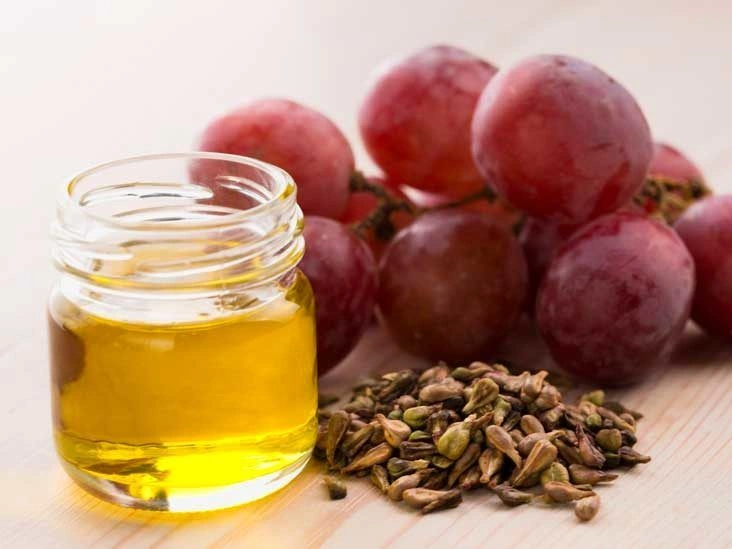
Grapeseed oil has surged in popularity over recent decades. It’s often touted as beneficial thanks to its high content of polyunsaturated fats and vitamin E. Vendors promote a variety of health claims, including lowering blood cholesterol and reducing heart disease risk. This piece examines the research to distinguish fact from hype. (img by Oleon) What is grapeseed oil and how is it produced? Grapeseed oil is derived from grape seeds,…
How Does an Air Ionizer Work?
An air ionizer emits negative ions into indoor air. These ions encourage tiny particles to bind together and settle onto surfaces, where they can be removed through cleaning. Reported advantages include reducing mold, bacteria, and certain viruses, among other potential benefits. Many people worry about outdoor air pollution, but indoor air quality — in places such as your home or workplace — also matters. Airborne contaminants like dust, chemical pollutants,…
15 Health and Nutrition Benefits of Sesame Seeds
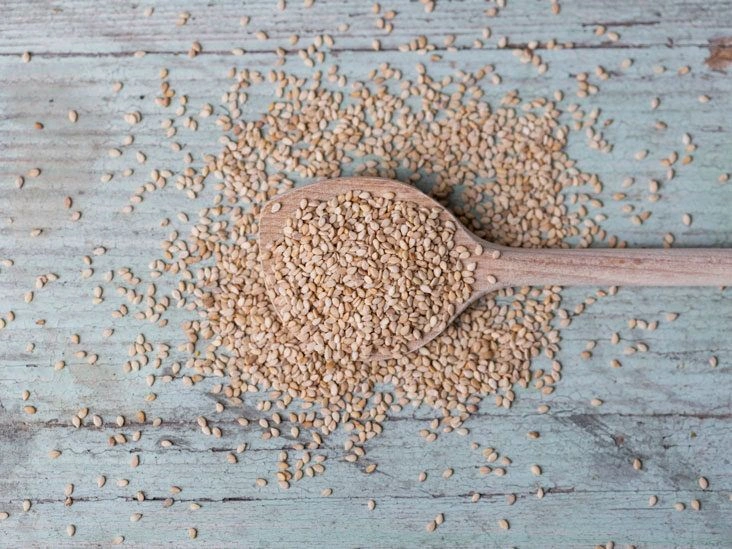
Sesame seeds offer a variety of possible health advantages. For example, they may help protect against cardiovascular disease, diabetes, and arthritis. To experience benefits, however, you might need to consume a meaningful amount — roughly a small handful each day. These tiny, oil-dense seeds develop in pods on the Sesamum indicum plant and have a long history in traditional medicine. Unhulled sesame seeds keep their outer, edible husk intact, whereas…
Black Sesame Seeds: Nutrition, Benefits, and More
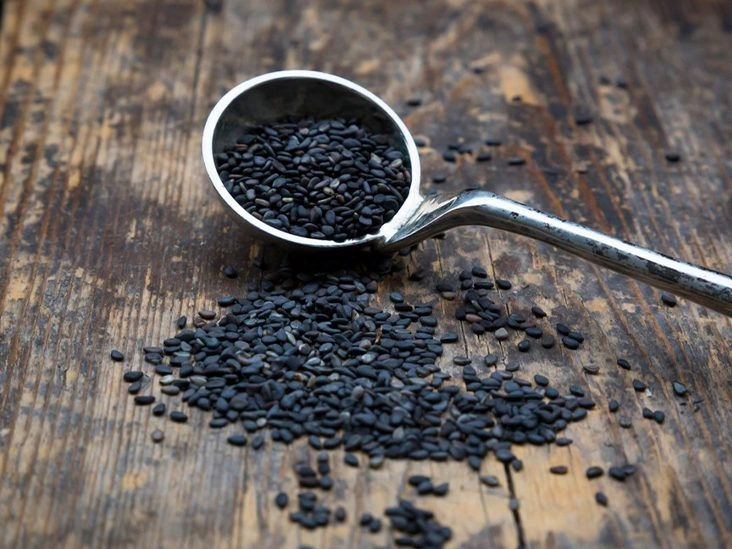
Black sesame seeds are tiny, flat, oily kernels that develop inside the pods of the Sesamum indicum plant, a crop cultivated for millennia. Sesame seeds come in several hues, including black, brown, tan, gray, gold, and white. Black sesame seeds are mainly produced in Asia, though their popularity is rapidly spreading worldwide. This growing interest may stem from the notion that black sesame seeds are especially healthful, but you might…
10 Science-Backed Benefits of Sesame Oil
Because of its antioxidant and anti-inflammatory components, sesame oil may support heart health, ease joint issues, benefit the skin and hair, and more. However, additional research — particularly human trials — is required to confirm these possible advantages. The nourishing qualities of the sesame plant have led some to call its oil the “Queen of Oilseeds”. Part of the Pedaliaceae family, a group of plants harvested for their edible seeds,…
Matcha — Even More Powerful Than Regular Green Tea?
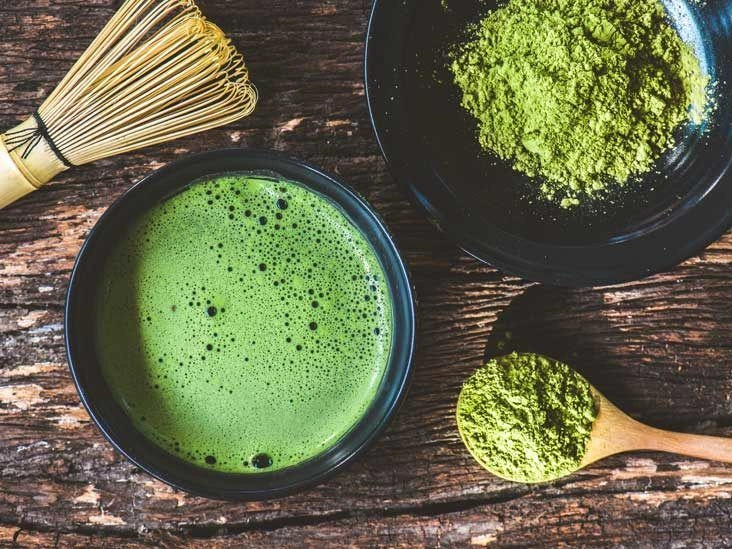
Matcha is a concentrated version of green tea made by grinding the leaves into a fine powder, so you consume the entire leaf — potentially delivering more health-promoting compounds than standard brewed tea. That said, it should be enjoyed in moderation. Green tea ranks among the world’s most consumed beverages. It provides several possible health advantages, including better heart health and decreased skin damage from ultraviolet exposure (2). Matcha, a…
All You Need to Know About Bergamot Tea (Earl Grey)
Bergamot tea is crafted by blending black tea with extract from the bergamot orange. Some touted advantages include potential improvements to cardiovascular wellness and digestion, though scientific evidence remains limited. Often known as Earl Grey, bergamot tea has a distinct citrus aroma. Read on to discover more about its possible advantages and adverse effects, plus simple brewing instructions. (img by Seven Teas) What is bergamot tea? Bergamot tea generally consists…
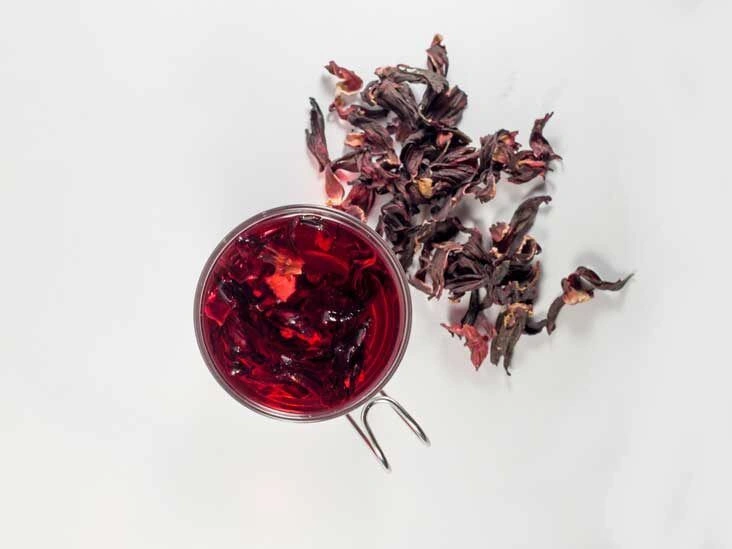
8 Benefits of Hibiscus
Hibiscus contains abundant antioxidants and may provide a variety of health advantages. Notably, it could support weight management, hinder the growth of certain bacteria and cancer cells, and contribute to heart and liver wellness. Hibiscus is available as a concentrated extract or, more commonly, as an herbal infusion. Hibiscus tea is prepared by steeping parts of the hibiscus plant in boiling water. It offers a tart flavor reminiscent of cranberries…
16 Delicious High Protein Foods
Consuming adequate protein every day is vital for overall well-being. Good protein sources include eggs, nuts, lean meats, fish, dairy, and some grains. Proteins are a broad class of molecules that maintain cell structure, support immune defense, enable movement, catalyze chemical reactions, and assist in hormone production, among other roles. They are built from small units called amino acids. Nine of these are essential — your body cannot synthesize them,…