Ear, Nose & Throat
Ear, Nose & Throat covers common conditions and treatments related to the ears, nose, and throat, offering advice on prevention, symptoms, and improving overall health in these areas.

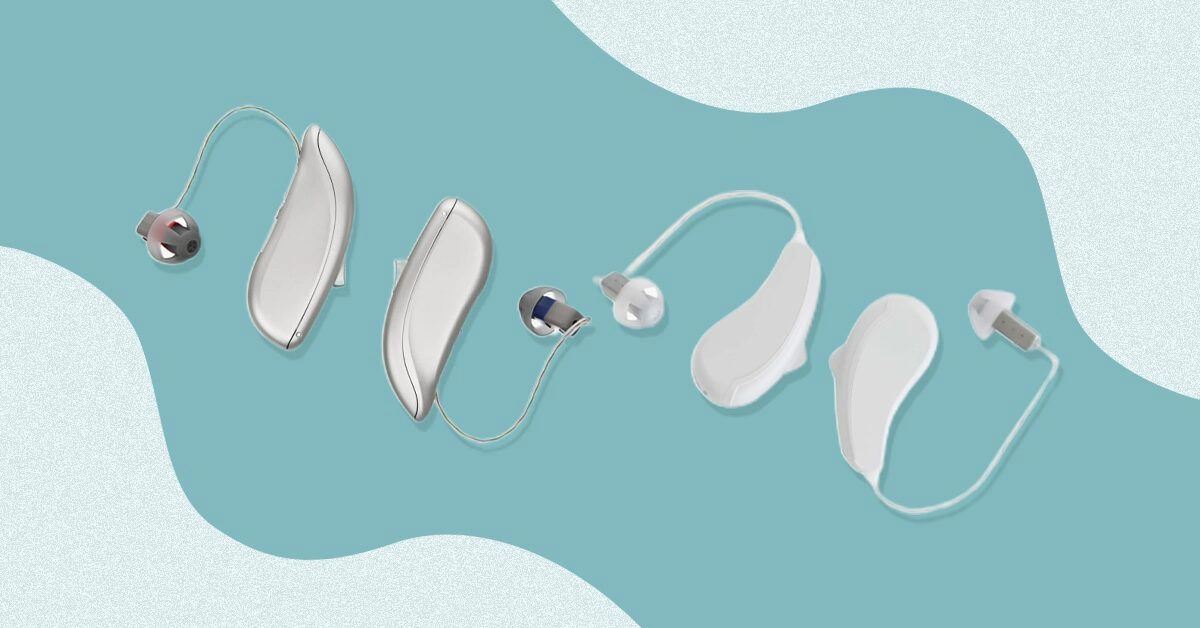
A Brand Review of Jabra Enhance
Jabra Enhance is a newer entrant in the hearing aid industry, yet it has quickly developed a positive reputation. In this in-depth review of Jabra hearing aids, we’ll explore their features, pricing, and whether they may be a suitable option for your hearing needs. According to the National Institute on Deafness and Other Communication Disorders, approximately 13% of individuals in the United States age 12 and older have hearing loss…
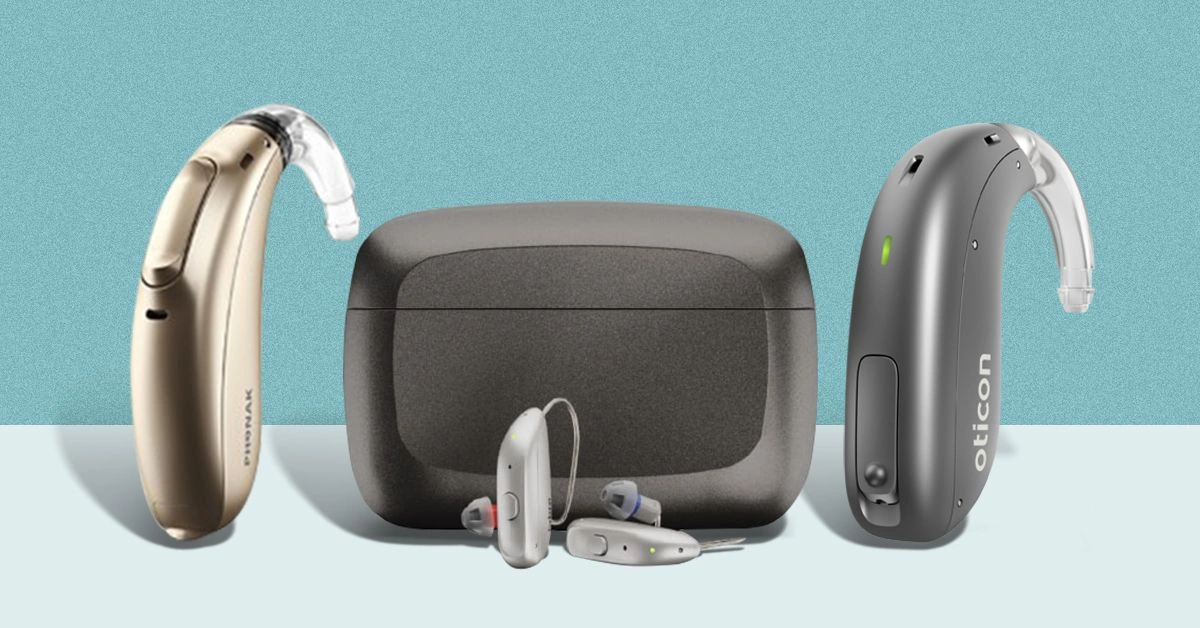
8 Best Hearing Aids
Key takeaways There are multiple hearing aid styles available, including behind-the-ear (BTE) and in-the-ear (ITE) designs, rechargeable models, and nearly invisible options. We consulted a medical expert about what to evaluate when beginning your search for hearing aids and how to decide between over-the-counter (OTC) and prescription devices. Phonak Lyric Hearing Aid stands out as one of the top invisible hearing aids, while Jabra Enhance Select 300 is frequently recognized…

You May Qualify for Medicaid – Here’s What It Covers
Key Takeaways Medicaid eligibility is based on income and household size. In many states, the income cap is 138% of the federal poverty level (FPL), though this threshold differs by state. Across all states, Medicaid includes coverage for inpatient and outpatient hospital care, physician and clinic visits, pregnancy and pediatric care, screening services, transportation for medical needs, and outpatient prescription medications. In addition to mandatory benefits, services such as physical…
Does Medicare Cover the Cost of Hearing Aids?
Original Medicare (Part A and Part B) does not pay for hearing aids. However, certain Medicare Advantage (Part C) plans may provide benefits for hearing aids, depending on the specific coverage details of the plan. Many people researching What Kind of hearing aids does Medicaid cover also want to understand how Medicare handles similar benefits, since coverage rules can vary significantly between programs. (img by GoodRx) Hearing loss impacts an…
What It Means to Have a Nasally Voice
Having a nasal-sounding voice can alter how you speak. It may stem from obstructions or structural issues in the nose, throat, or mouth. In some cases, a nasal tone is simply a natural and distinctive aspect of your voice. Everyone’s voice has its own subtle characteristics. A person with a nasal voice may sound as though they’re speaking through a congested or runny nose, both of which can be underlying…
Can You Reshape Your Nose with Exercise?
The most frequent method people use to alter the appearance of their nose is a surgical procedure called rhinoplasty, often referred to as a “nose job.” According to the American Society of Plastic Surgeons, over 207,000 rhinoplasty operations were carried out in the United States in 2019. Rhinoplasty is usually performed for cosmetic reasons when someone is dissatisfied with the look of their nose. The operation is also used to:…
Is It Safe to Sleep with Earplugs?
Earplugs can be a helpful aid for enhancing sleep quality. Just be sure to replace them regularly and avoid inserting them too deeply into your ear canal. While earplugs are primarily used to protect ears from loud noises, many people also rely on them for sleep. They can make a substantial difference for light sleepers or those living in noisy environments. Still, there’s ongoing discussion about whether sleeping with earplugs…
Apple Cider Vinegar for a Sore Throat
Certain apple cider vinegar (ACV) home remedies might offer relief for a scratchy or painful throat. Common approaches include combining ACV with honey or lemon and using it as a gargle. Still, there’s limited scientific evidence to confirm these advantages. (img by CNM Ireland) Sore throats can be triggered by viruses, bacteria, or allergies. While most sore throats improve on their own, home treatments can ease discomfort during recovery. Some…
What Causes Itchy Throat and Ears?
An itchy sensation in the throat and ears can stem from allergies or a common cold. Often, home remedies are sufficient, but consult a physician if you develop additional signs like a painful throat or if your symptoms persist or worsen. Below are potential causes, self-care suggestions, and warning signs that warrant contacting a healthcare provider. (img by CK Birla Hospital) 1. Allergic rhinitis Allergic rhinitis, commonly called hay fever,…
Why Does My Ear Tickle?
If you’ve ever had a ticklish sensation in your ear, you know how irritating it can be. A brief, fleeting tickle that disappears quickly and doesn’t come back usually isn’t worrisome. However, a persistent ticklish feeling that wanders or doesn’t subside may point to an issue that needs home care or medical attention. Read on to find possible reasons for a tickle in your ear and how to handle them.…