You May Qualify for Medicaid – Here’s What It Covers


- Key Takeaways
- Am I eligible for Medicaid?
- Nonfinancial eligibility requirements
- State-specific rules
- What does Medicaid cover?
- Hospital services
- Doctor and clinic visits
- Pregnancy services
- Pediatric services
- Screening services
- Transportation for medical care
- Outpatient prescription drugs
- Coverage that varies by state
- Optional benefits
- Physical therapy and other services
- Products and devices
- Specialist doctor visits
- Comprehensive healthcare services for children
- Rehabilitation services for mental health and substance use disorder
- Takeaway
Key Takeaways
- Medicaid eligibility is based on income and household size. In many states, the income cap is 138% of the federal poverty level (FPL), though this threshold differs by state.
- Across all states, Medicaid includes coverage for inpatient and outpatient hospital care, physician and clinic visits, pregnancy and pediatric care, screening services, transportation for medical needs, and outpatient prescription medications.
- In addition to mandatory benefits, services such as physical therapy, vision and dental care, and devices like hearing aids and prosthetics vary depending on each state’s Medicaid program.
If you’re exploring affordable healthcare options in the United States — whether for routine wellness visits, preventive screenings, or ongoing management of chronic conditions — having health insurance can significantly reduce your financial burden.
That said, out-of-pocket expenses may still add up depending on the services required. Medicaid , a public health insurance program designed for individuals and families with limited income and resources, helps cover essential healthcare services. For residents asking, Does Medicaid cover hearing aids in NY, understanding both federal rules and New York’s state-specific benefits is crucial. You can also review broader guidance on Does Medicaid cover hearing aids for adults to compare adult coverage options nationwide.
Am I eligible for Medicaid?
Your modified adjusted gross income (MAGI) is used to determine financial eligibility for Medicaid and the Children’s Health Insurance Program (CHIP). MAGI is also used to assess eligibility for premium tax credits and cost-sharing reductions available through the health insurance marketplace.
Eligibility is calculated as a percentage of your income while also factoring in the number of people in your household. In most states, the income limit is 138% of the federal poverty level (FPL). However, limits differ by state — ranging from 0% for adults without dependent children in some states to as high as 221% for a family of three in the District of Columbia.
Because eligibility standards and expanded benefits differ, people researching Does Medicaid cover hearing aids in NY should verify both income guidelines and state-specific coverage details to understand what services may be available.
Nonfinancial eligibility requirements
In addition to income criteria, applicants must satisfy certain nonfinancial requirements , including:
- being a United States citizen or lawful permanent resident
- residing in the state where the application is submitted
- meeting the definition of “medically needy ,” which applies to individuals with significant healthcare needs whose income exceeds standard Medicaid limits
State-specific rules
Although Medicaid provides a baseline of mandatory benefits nationwide, many aspects of coverage are determined at the state level.
If you qualify, your state decides the type, amount, duration, and scope of covered services within federal Medicaid guidelines. This is especially important when evaluating optional benefits such as hearing aids, dental services, or vision care.
The most reliable way to confirm what Medicaid covers is by visiting the Medicaid website for your state . If you’re specifically investigating Does Medicaid cover hearing aids in NY, reviewing New York’s Medicaid policy on audiology services and durable medical equipment will provide the clearest answer. It may also help to explore What Kind of hearing aids does Medicaid cover to better understand device categories and eligibility criteria.
What does Medicaid cover?
All Medicaid beneficiaries in the 50 states have access to certain core healthcare services.
Hospital services
- Inpatient hospital services: This includes medical treatment received during an overnight hospital stay.
- Outpatient hospital services: This encompasses laboratory testing such as bloodwork, minor surgical procedures not requiring hospitalization, colonoscopies, mammograms, routine physical exams and follow-ups, and diagnostic imaging like MRIs, CT scans, and X-rays.
Doctor and clinic visits
Coverage includes routine checkups and follow-up appointments with healthcare providers. Services may be delivered in private practices, rural health clinics, or federally qualified health centers.
Pregnancy services
Pregnancy-related care covers prenatal visits, labor and delivery — including midwife services — and all medically necessary services directly or indirectly connected to the pregnancy.
Pediatric services
Children and adolescents up to age 19 are entitled to preventive services and screenings designed to monitor growth, development, and overall health.
Screening services
Known as early and periodic screening, diagnostic, and treatment services (EPSDT), these preventive services include evaluations for chronic conditions, infectious diseases, and certain cancers to ensure early detection and timely intervention.
Transportation for medical care
Transportation benefits include emergency transport, such as ambulance or medical flight services, as well as nonemergency transportation through approved ride service providers. States differ in determining when transportation is considered medically necessary.
Outpatient prescription drugs
All states currently offer Medicaid coverage for outpatient prescription medications to eligible individuals, though formularies and prior authorization requirements may vary.
Coverage that varies by state
Beyond mandatory services, Medicaid may also include additional healthcare benefits depending on the state.
Below are types of care that differ by state.
Optional benefits
Optional benefits are determined by each state and can vary in scope. These may include:
- prescription drugs
- physical and occupational therapy
- speech therapy
- hearing and language disorder services
- optometry services
- dental services
- chiropractic services
- prosthetics
- private nursing
- hospice care
Physical therapy and other services
All 50 states provide some level of physical therapy coverage.
However, states may impose limits on the number of covered sessions, approved treatment settings, referral requirements, and copayment amounts.
Products and devices
- Eyeglasses : Medicaid covers eyeglasses in all 50 states, although replacement frequency may be restricted based on age.
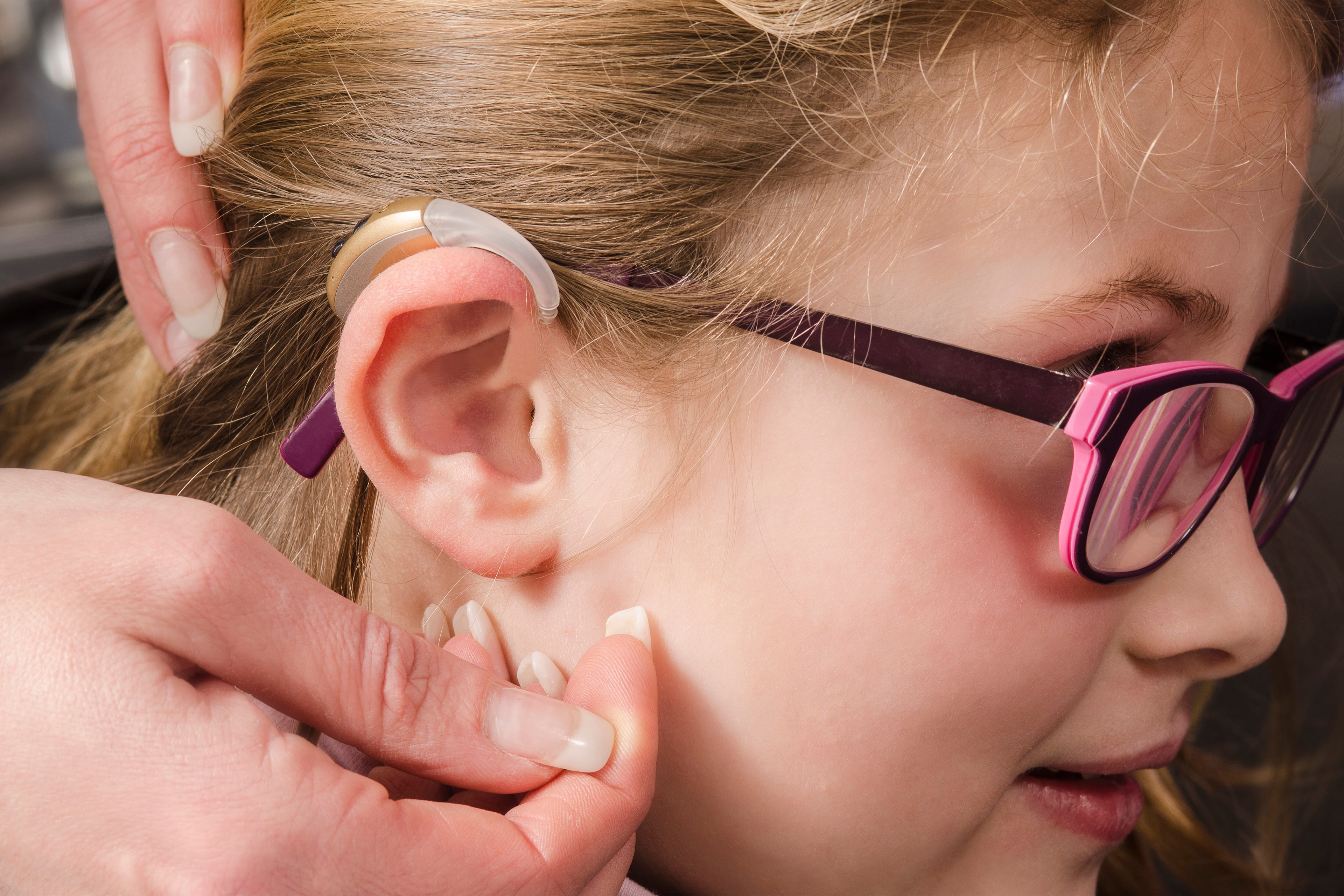
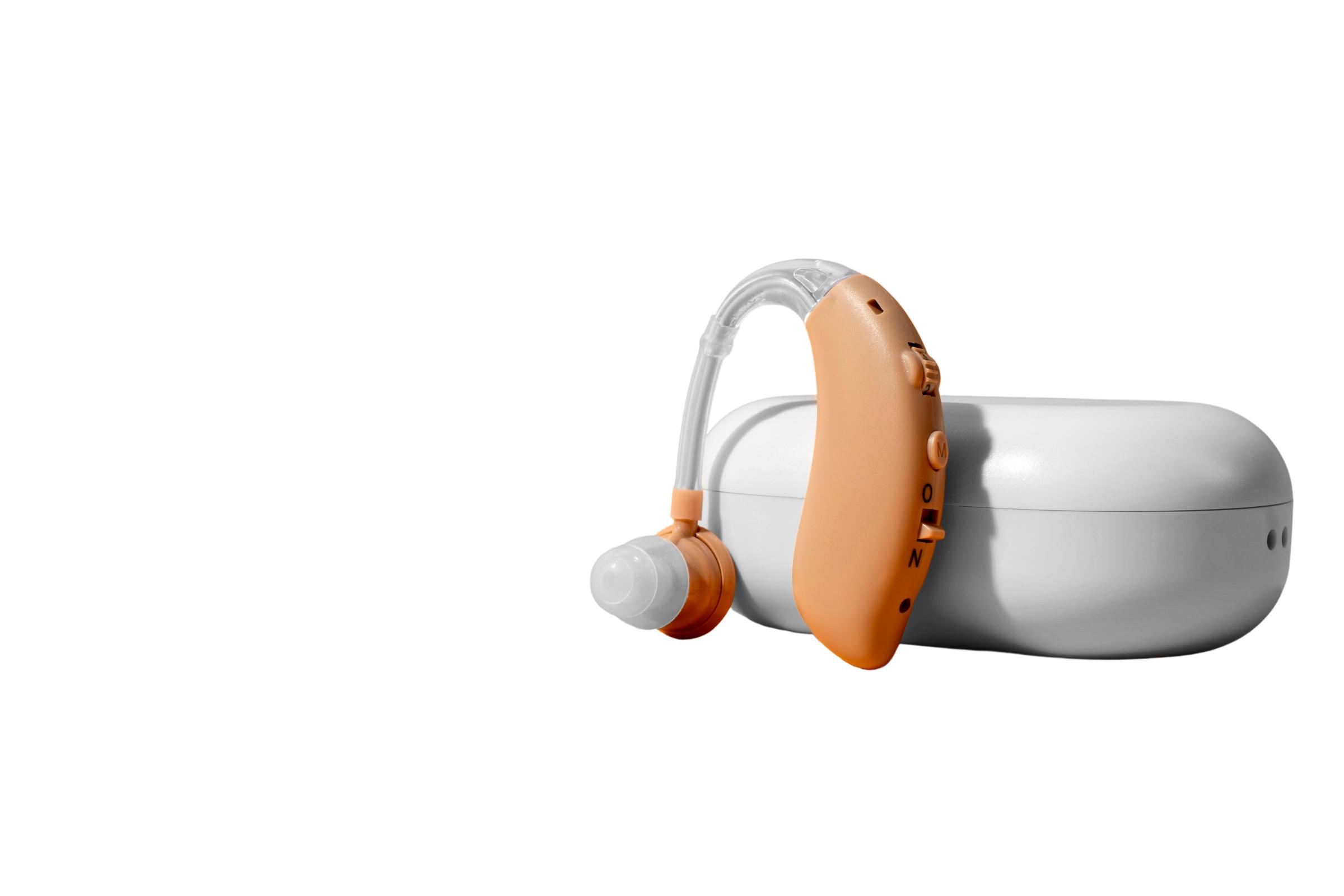
- Hearing aids : 28 states provide coverage, but the criteria differ. 12 states cover hearing aids for individuals with “mild” or greater hearing loss, such as difficulty understanding soft speech amid background noise. 6 states require “moderate” or greater hearing loss. Another 6 states rely on evaluations from audiologists and physicians due to the absence of defined thresholds. 4 states do not specify explicit severity criteria.
- Dentures : Medicaid offers some form of denture coverage in all 50 states, though strict limitations often apply regarding eligibility and whether partial or full dentures are approved. Prior authorization may be necessary.
- Prosthetics and orthotic devices : All states provide some level of coverage. Certain states restrict eligibility, and others, such as Mississippi, may only reimburse a percentage of the total cost.
- Medical equipment : Durable medical equipment is covered nationwide but often subject to restrictions. Prior authorization may be required, and replacement frequency for items like breast pumps and wheelchairs may be limited.
Specialist doctor visits
Medicaid covers specialist care in all states, though the extent of coverage can vary:
- Dental services : Available in most states, typically focused on preventive and routine care. Some states restrict adult coverage to individuals age 21 and younger.
- Podiatrist : Access usually requires a referral and prior authorization to confirm medical necessity.
- Optometrist : Covered nationwide with referral and authorization requirements, but services may be limited in scope.
- Psychologist : Provided in all states with a referral and prior authorization, though covered services may be restricted.
- Chiropractor : Of the 24 states that include chiropractic care, 13 require a copayment of up to $3.80 per session. Many states cap the number of covered visits annually or impose overall funding limits per enrollee.
Comprehensive healthcare services for children
As of April 2025, 14 states extend comprehensive state-funded coverage to all income-eligible children, regardless of immigration status.
Rehabilitation services for mental health and substance use disorder
Medicaid may provide rehabilitation services for mental health and substance use disorder. Coverage limitations depend on the type of treatment and service setting, and prior authorization is required.
Takeaway
Medicaid guarantees certain essential medical services in every state, while additional benefits are determined individually by each state’s program.
If you reside in the District of Columbia or one of the 40 states that have expanded Medicaid, you may qualify for broader healthcare benefits.
To get personalized information — including answers to questions like Does Medicaid cover hearing aids in NY — contact your state Medicaid office directly or call Medicaid toll-free at 877-267-2323 (TTY: 800-877-8339).
Important Questions
Yes, New York’s Medicaid program provides coverage for hearing aids as an optional benefit. However, specific criteria, such as the severity of hearing loss and prior authorization, may apply.
Eligibility is primarily based on income, typically up to 138% of the Federal Poverty Level, along with being a U.S. citizen or lawful resident and living in the state.
Mandatory benefits include hospital care, doctor visits, pregnancy and pediatric services, screenings, prescription drugs, and transportation for medical needs.
Contact the New York State Medicaid office directly or visit their official website for the most current policy details on audiology services and durable medical equipment.
Yes, Medicaid provides coverage for eyeglasses and some form of dentures in all 50 states, though replacement frequency and eligibility restrictions vary by state.





Related Posts

Karate vs. Taekwondo: What's the Difference?
Sep 25, 2026 • 23 min read
Celebrities Who Have Struggled with Alcohol Addiction
Oct 2, 2026 • 8 min read
The 5 Best CBD Gummies for Sleep and Relaxation: Our Testers Tell All
Sep 30, 2026 • 14 min read
Derma Roller for Hair Growth: Here’s What You Need to Know
Sep 26, 2026 • 16 min read
What is Decannulation of a Tracheostomy?
Sep 6, 2026 • 20 min read