Supplements
The “Supplements” category covers articles about vitamins, minerals, and other dietary supplements, providing information on their benefits, uses, and how they support overall health.

What You Need to Know About the Health Benefits of Collagen
Collagen is an essential building block in bones, skin, muscles, and other tissues. It may help enhance skin condition, ease joint discomfort, and slow bone loss, among other advantages. Collagen is a structural protein your body produces, and it’s vital for healthy joints, skin, bones, muscles, and more. However, as you get older — when your body’s ability to generate collagen declines — the collagen you already have begins to…

The Benefits and Uses of Propolis
When bees mix tree sap with their own secretions and beeswax, they form a tacky, greenish-brown substance used to seal and reinforce their hives. This material is known as propolis, or “bee glue.” (img by BeeVital Propolis) What is propolis? Besides honey, bees create another substance called propolis, which they make from resin gathered from needle-bearing trees or evergreens. For millennia, ancient cultures valued propolis for its therapeutic uses. The…
12 Potential Health Benefits of Royal Jelly
Royal jelly contains nutrients with anti-inflammatory and antioxidant properties that might offer benefits for overall health, including immune support and relief from menopausal symptoms. Produced by honeybees, royal jelly is a creamy substance used to nourish queen bees and their larvae. It’s commonly marketed as a dietary supplement for a range of physical complaints and chronic conditions. Although it has a long history in traditional remedies, its role in conventional…
18 Essential Oils You Can Use to Boost Your Energy
Essential oils are highly concentrated extracts derived from plants using steam or water distillation, or through physical processes like cold pressing. They are most often used in aromatherapy, usually either inhaled or diluted and applied topically. There are nearly 100 frequently used essential oils, each commonly linked to specific health claims such as enhanced concentration, motivation, and increased energy. Read on to discover which oils might help reduce tiredness and…
What Is Butterfly Pea Flower, and Does It Aid Weight Loss?
Butterfly pea flower is loaded with antioxidants and has been connected to various health advantages, such as supporting weight management, helping regulate blood sugar, and promoting hair and skin health. Native to Asia, butterfly pea flower (Clitoria ternatea) is often noted for its striking blue color, largely attributed to the plant’s high levels of antioxidant pigments called anthocyanins. Because of this, butterfly pea flower is frequently used in beauty products…
Zinc Supplements: Benefits, Side Effects, and Recommended Dosage
Many people reach for zinc lozenges and supplements at the first sign of illness, and with good cause. Zinc ranks among the most plentiful trace minerals in the body and is essential for nearly every facet of health. Zinc is required for the proper activity of more than . Research indicates this mineral may bolster immune defenses, help stabilize blood sugar, and support the health of skin, eyes, and the…
Fish Oil Dosage: How Much Should You Take Per Day?
Although there’s no universally prescribed daily amount for fish oil, taking it can help you meet the suggested daily intake of omega-3 fatty acids. Many individuals include fish oil supplements in their everyday routines. Beyond supporting brain, eye and heart health, fish oil may also help reduce inflammation in the body. Numerous healthcare professionals endorse its use. Still, you might be unsure about the appropriate dosage for your needs. This…
11 Benefits of Fish Oil
Fish oil is a rich supply of omega-3 fatty acids, which support both cardiovascular and brain health. Still, obtaining omega-3s from whole fish is generally preferable. For those who rarely eat fish, fish oil supplements offer a practical alternative. (img by Jupiter Internal Medicine) Fish oil is among the most widely used nutritional supplements. It provides concentrated omega-3 fatty acids, which are essential for overall health. If you do not…
9 Little-Known Side Effects of Too Much Fish Oil
Fish oil is widely recognized for its array of health-supporting benefits. It supplies two primary omega-3 fatty acids: eicosapentaenoic acid (EPA) docosahexaenoic acid (DHA) Packed with these heart-friendly omega-3s, fish oil supplements may help reduce inflammation, lower diabetes risk, and ease symptoms of inflammatory disorders such as rheumatoid arthritis. That said, more fish oil isn’t always better — taking excessively large amounts can potentially cause adverse effects. This article outlines…
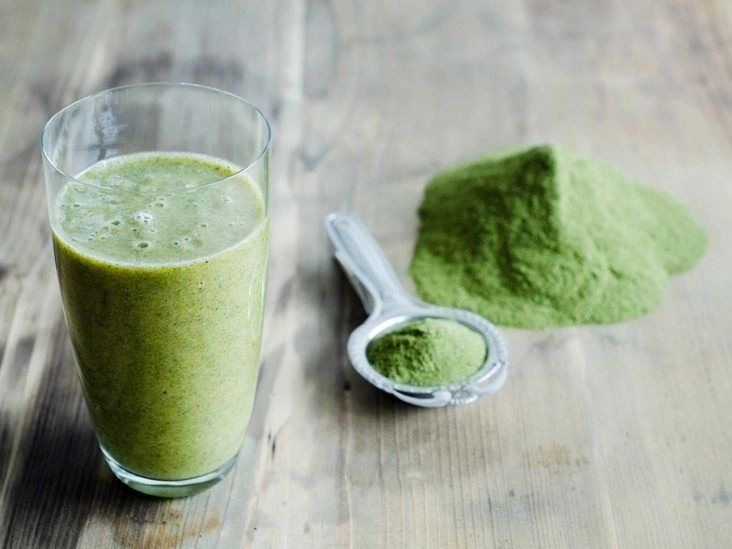
What are greens powder (super greens) and are they actually good for you?
Greens powders are dietary supplements made from leafy greens, vegetables, seaweed, probiotics, digestive enzymes, and other plant-derived ingredients. They might help support immune function and lower the risk of chronic conditions, but long-term effects remain under investigation. It’s widely known that many people fall short of consuming enough vegetables. Greens powders are formulated to assist in meeting the daily recommended intake of vegetables. Manufacturers claim these powders can enhance immunity,…