Supplements
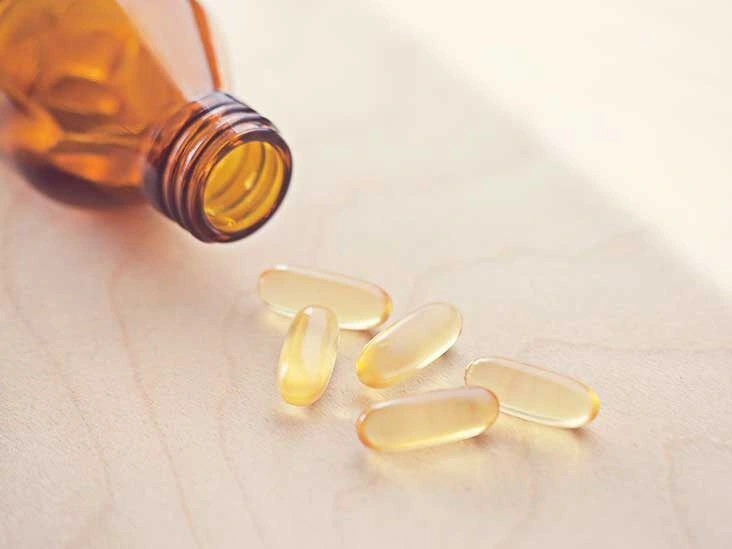
The “Supplements” category covers articles about vitamins, minerals, and other dietary supplements, providing information on their benefits, uses, and how they support overall health.

10 Health Benefits of Spirulina
Spirulina is a form of algae that thrives in both freshwater and saltwater environments. It is commonly available as a supplement in tablet or powder form. People take it for its nutritional value and antioxidant effects. Historically used by the Aztecs, spirulina regained attention when NASA suggested it could be cultivated in space as a food source for astronauts. Today, many use spirulina to increase their intake of nutrients and…
What Are the Health Benefits of Blue Spirulina?
Blue spirulina is the phycocyanin pigment derived from spirulina algae. It is rich in antioxidants and may offer support for brain function, immune response, and cardiovascular wellness, among other advantages. Often labeled a superfood, spirulina (Arthrospira platensis) is a form of cyanobacteria commonly called blue-green algae. This organism harnesses sunlight for nutrients and can thrive in both freshwater and marine environments. Typical spirulina presents a blue-green hue. (img by Ecosystem…
Pau D’Arco: Potential Uses, Benefits, and Risks
Pau d’arco refers to several species of Tabebuia trees and to a dietary supplement made from their inner bark. Limited studies examining its uses and safety indicate it might possess anti-inflammatory, antimicrobial, and anticancer actions. (img by Herbs America) Also called taheebo or lapacho, pau d’arco has a long history of use across various cultures as a traditional remedy for numerous ailments. In the U.S. supplement market, it’s often promoted…
How Much Magnesium Should You Take Per Day?
The maximum advised daily intake of magnesium for adults is 420 mg for men and 350 mg for women. That said, individual needs can vary based on factors like age and medical conditions. Magnesium plays a vital role in numerous bodily processes, including energy production and protein formation. It also supports proper brain function, bone integrity, and heart and muscle operations. Still, many people don’t consume enough magnesium from their…
What Is Nigella Sativa? Forms, Nutrients, and Health Effects
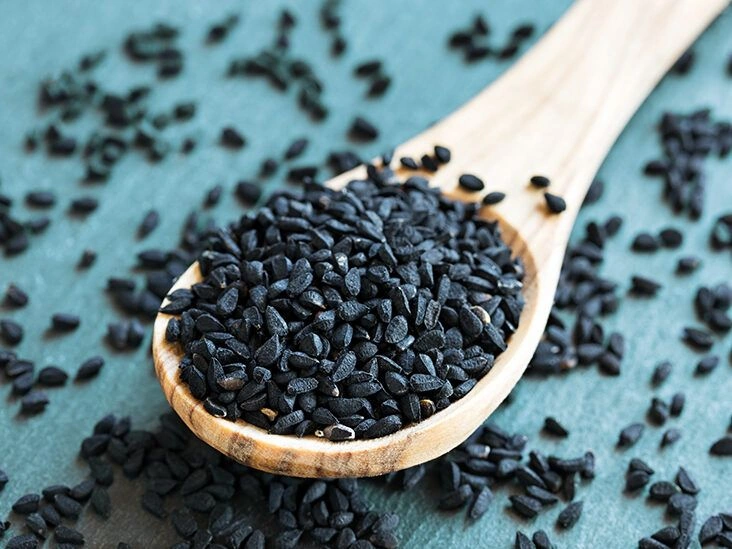
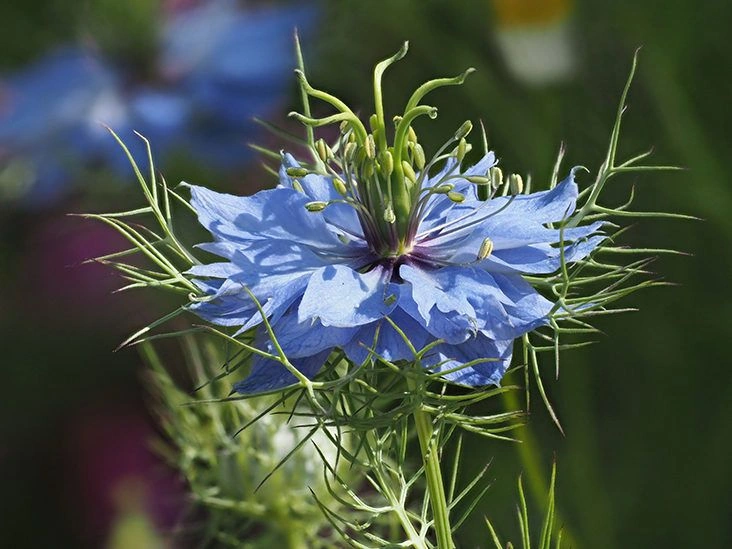
Nigella sativa, often called black cumin or black seed, is a medicinal plant indigenous to the eastern Mediterranean, northern Africa, southwest Asia, and the Indian subcontinent. Although it’s suitable for culinary use, it’s perhaps more widely known for its long history in traditional medicine. People have credited it with so many health effects that some describe it as a cure-all. For instance, it’s claimed to support immune function, boost cognitive…
What Is Black Seed Oil? All You Need to Know
Black seed oil is derived from the plant Nigella sativa. It may be applied to the skin or taken as an oral supplement. Nigella sativa (N. sativa) is a small flowering herb native to Southwest Asia, the Middle East, Southern Europe, and North Africa. The plant produces fruit that contains tiny black seeds. Often called simply black seed, N. sativa seeds are known by several other names, including black cumin,…
Dandelion: Potential Health Benefits and Side Effects
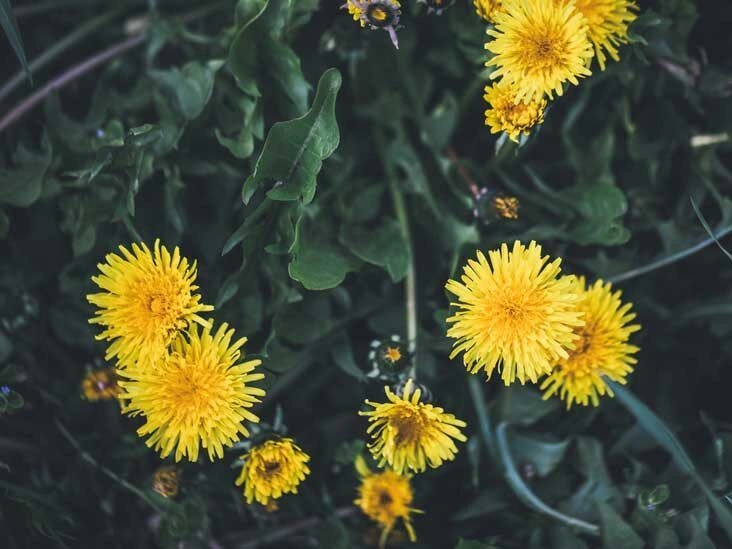
Dandelion leaves, roots, seeds, and blossoms may provide various health advantages, such as supporting liver function, lowering inflammation, and aiding blood sugar control. Often dismissed as a persistent yard weed, dandelion has a long history of use in traditional medicinal practices. (img by DIJO) Beyond adding color to meals, dandelion leaves, roots, and flowers are commonly included in herbal teas and supplements. They’ve traditionally been used as a natural aid…
What Are the Benefits of Triphala?
Triphala’s advantages may include lowering inflammation and offering protection against some forms of cancer. It may also support weight loss and help reduce cholesterol levels. Though triphala might be unfamiliar to many, this time-honored Ayurvedic remedy has been used for healing for well over a millennium. (img by gita ayurvedic) This herbal blend is made from the fruits of three medicinal plants native to the Indian subcontinent. It’s a fundamental…
Turmeric Dosage: How Much Should You Take Per Day?
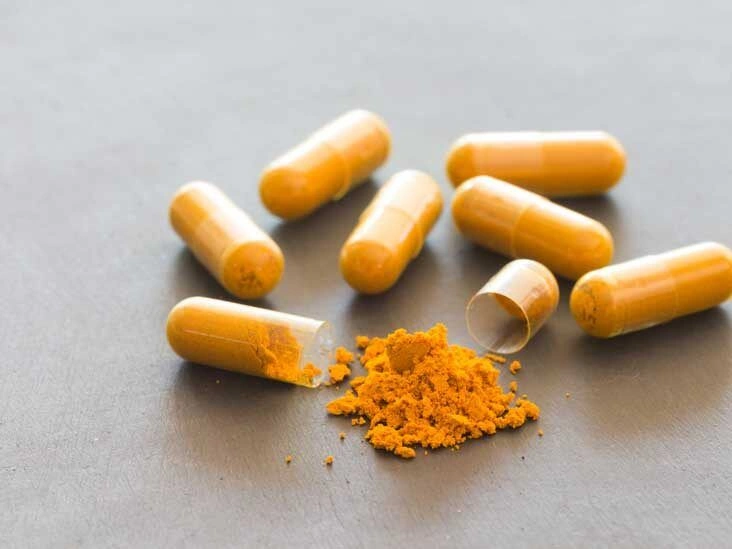
Research indicates turmeric may be helpful in amounts between 500 and 2,000 milligrams (mg) per day. That said, the ideal dose can differ based on the particular ailment you aim to address. You might recognize turmeric mainly as a culinary spice, yet it also plays a role in Ayurvedic medicine, a traditional holistic system from India that dates back more than 3,000 years. Turmeric supplements are commonly sold for therapeutic…
What Vitamin D Dosage Is Best?
Recommendations for vitamin D intake can differ based on multiple factors, including your age, skin tone, health background, and geographic location. Vitamin D is frequently called the “sunshine vitamin.” That’s because your skin produces vitamin D when it’s exposed to sunlight. Maintaining adequate vitamin D is vital for overall health. It supports strong bones, bolsters the immune system, and may offer protection against numerous adverse conditions. Despite its significance, about…