

A chickpea (garbanzo bean) allergy is an immune-mediated reaction that occurs after eating or, in some cases, coming into contact with chickpeas, which are a member of the legume family.

Like other food allergies, this involves the immune system mistakenly identifying certain foods as dangerous. This differs from food intolerance, which can trigger symptoms but does not involve an immune response.
The proteins in raw chickpeas linked to allergic responses—such as globulin, albumin, and prolamin—remain present even after cooking, according to research associated with legumes.
Any food allergy can be serious, and chickpeas are no different. If you have a chickpea allergy, you must steer clear of the legumes themselves as well as products containing them, like hummus.
Continue reading to learn more about chickpea allergy and whether you should discuss food allergy testing with your healthcare provider.
Who is at risk for chickpea allergy?
Allergies to legumes occur everywhere, though some are more prevalent than others.
A review in Molecular Nutrition and Food Research indicates that soybeans and peanuts are the most common legume allergens globally, while other legume allergies show more regional patterns.
Chickpea allergy is observed more frequently in regions such as India and the Mediterranean, where chickpea consumption is comparatively high.
People who are allergic to other legumes—particularly lentils—may have a greater likelihood of reacting to chickpeas, notes the University of Manchester.
Specific food allergies aren’t always inherited directly from parent to child, but if food allergies are common in your family, it’s wise to take precautions and consider discussing your risk with a physician.
Although chickpeas are typically consumed cooked, eating them raw may increase the chance of an allergic response. Cooking doesn’t eliminate the allergens completely, but methods like boiling can lessen their potency.
How to tell if you have a chickpea allergy
Symptoms of food allergies generally appear the same in adults and children, with variation depending on how severe the allergy is.
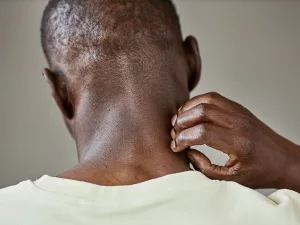
As with other food allergies, chickpea-related reactions most frequently show up on the skin, according to the University of Manchester. Typical signs include redness, rashes, and hives, and you may notice swelling.
More severe symptoms can include low blood pressure, diarrhea, and vomiting. Asthma-like signs such as coughing or difficulty breathing are possible, as is a tightening sensation in the throat.
Severe allergic responses can lead to anaphylaxis, a life-threatening systemic reaction affecting breathing and blood pressure. Anaphylaxis requires urgent medical care and hospitalization; if untreated, it can be fatal.
A chickpea intolerance is different from an allergy. Intolerance may cause gastrointestinal upset and cognitive symptoms like brain fog, but it does not trigger immune-system reactions the way an allergy does.
Diagnosing chickpea allergy
Food allergies can be evaluated using skin-prick tests, blood tests, or both. Keeping a food diary may also help you and your clinician identify a reaction to chickpeas.
Your doctor may ask you to record everything you eat for several weeks, along with any symptoms you notice.
The timing of symptoms is important because allergic reactions usually happen quickly, whereas food intolerance symptoms may take several hours to appear.
Testing for chickpea allergy can be more challenging than for some other legumes.
The Molecular Nutrition and Food Research article notes that there are no officially registered chickpea allergens, though chickpea proteins do show considerable allergenic potential.
If my child has a peanut allergy, can they eat chickpeas?
A peanut allergy does not automatically mean your child will react to chickpeas. Still, because both are legumes, it’s prudent to discuss the risk with your child’s physician.
Because diagnosing chickpea allergy can be tricky, a doctor may supervise having your child consume a small amount of chickpeas in the office to check for a reaction.
Am I allergic to hummus?
If you develop allergy symptoms after eating hummus, you might first suspect chickpeas, the main ingredient.
Before concluding chickpeas are the cause, consider other potential allergens commonly found in hummus, such as:
- garlic
- beans
- tahini
- red peppers
- lemon
- sesame seeds
Can My Baby Eat Hummus? If your pediatrician approves, your baby can have hummus once they’re eating solids and it’s offered as part of a varied diet.
Treatment options
The primary strategy for managing a chickpea allergy is strict avoidance. Because avoiding exposure can be difficult, it’s important to keep an epinephrine (adrenaline) auto-injector handy in case of accidental ingestion. Even after using epinephrine, you should seek emergency medical care for monitoring.
The takeaway
Chickpea allergy can produce skin rashes and swelling when you consume these legumes. While not all legume allergies are linked, having an allergy to other legumes may increase your chance of reacting to chickpeas.
Chickpea intolerance is not life-threatening but can lead to digestive symptoms such as nausea and bloating.
If you’re unsure about giving your child hummus or other chickpea-based foods, consult your doctor first—especially if your child or family members have allergies to other legumes.

















Leave a Reply
You must be logged in to post a comment.