What to Know About Compression Socks and Stockings

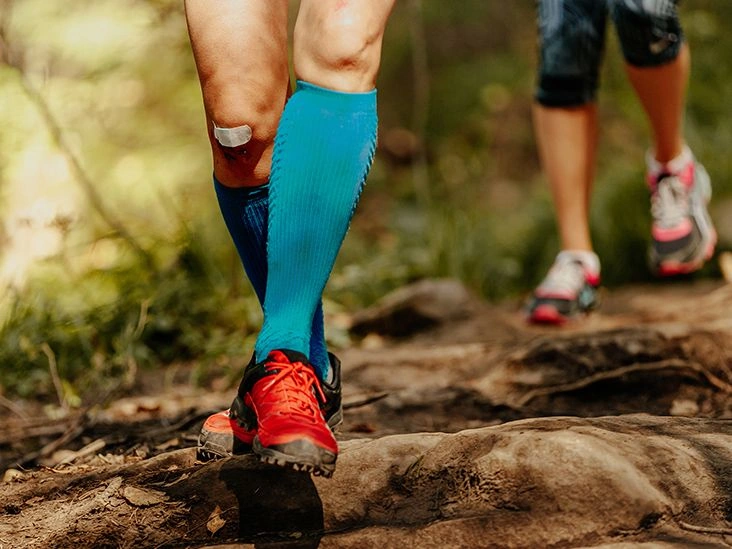
Compression socks place gentle pressure on your lower legs. This can enhance circulation and improve blood flow, which may be particularly beneficial for people with venous insufficiency.
Compression socks and stockings are intended for compression therapy. They exert measured pressure on your legs and ankles, encouraging blood to move from your legs back toward your heart.
Wearing compression socks can also ease pain and reduce swelling in the ankles and lower legs.
Continue reading to discover the health advantages of compression socks, how they function, the various kinds available, and possible side effects to be aware of.
Benefits of compression socks
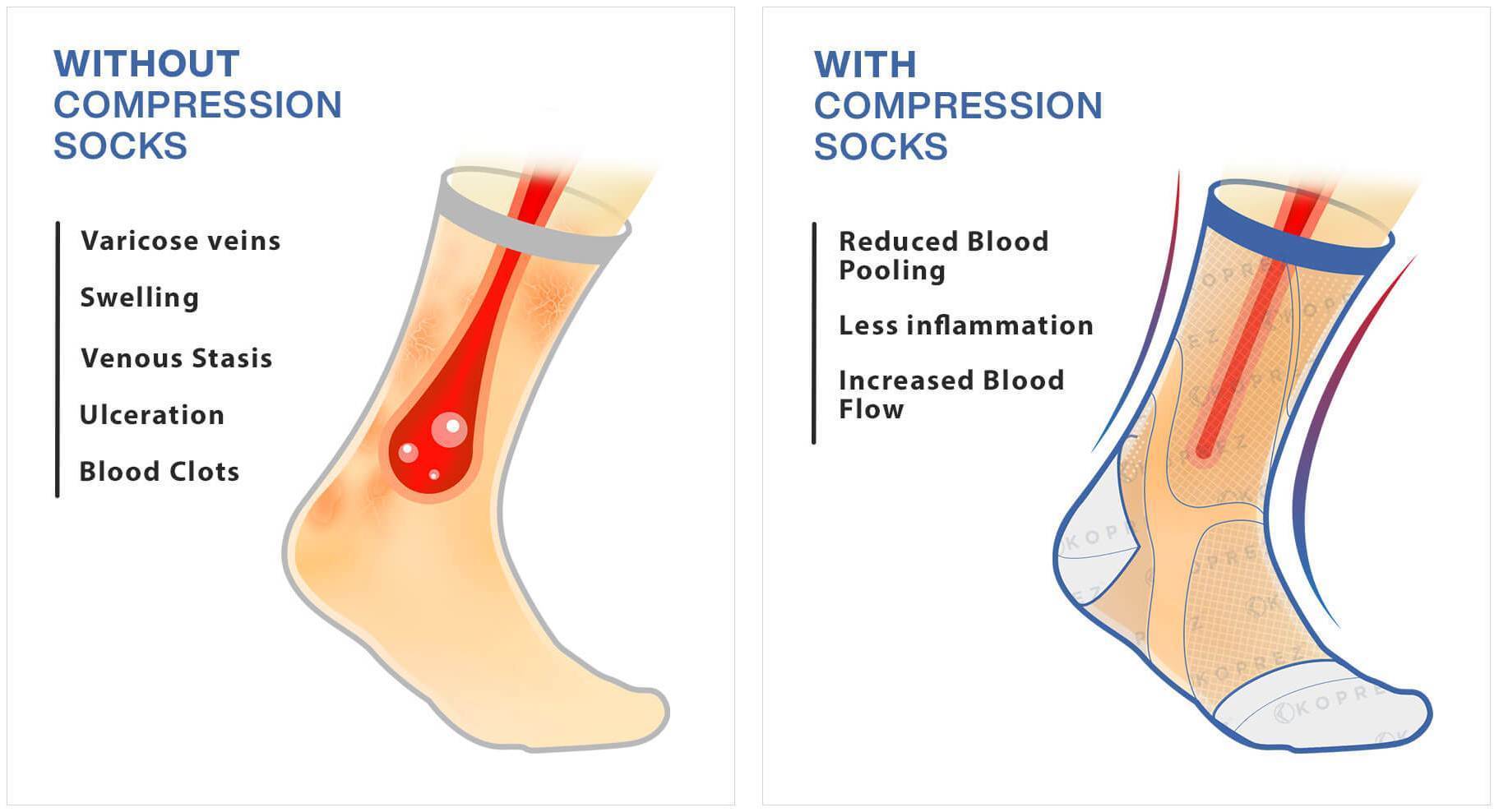
Your clinician may recommend compression socks to:
- enhance circulation in your legs
- improve venous blood flow in the legs
- decrease leg swelling
- lessen orthostatic hypotension, which causes dizziness or unsteadiness upon standing
- help prevent venous ulcers
- reduce the risk of deep vein thrombosis in the legs
- alleviate pain from varicose veins
- counteract venous hypertension
- support lymphatic drainage
How do compression socks work?
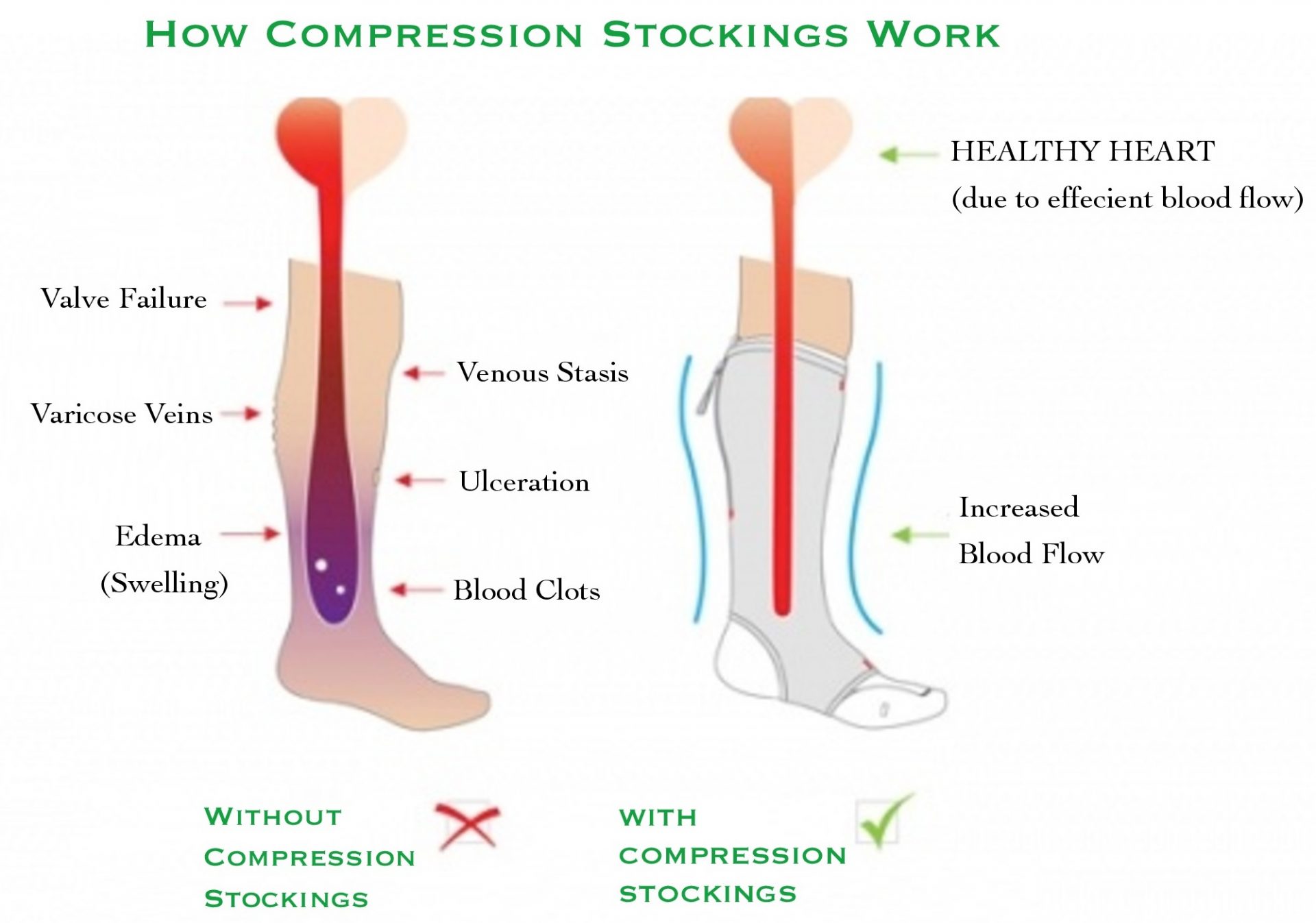
Compression stockings apply pressure to your legs and ankles, which may:
- narrow the diameter of large veins by increasing blood flow volume and speed
- promote upward blood flow toward the heart
- help prevent blood from flowing back down toward the foot or spreading into superficial veins
Types of compression stockings
The main categories of compression stockings are:
- graduated compression stockings
- anti-embolism stockings
- nonmedical support hosiery
Graduated compression stockings
Graduated compression stockings provide the greatest compression at the ankle with a gradual reduction in pressure toward the top. They are made for people who are ambulatory and meet specific medical length and strength standards.
These stockings generally require professional measurement and fitting.
Knee-length stockings help limit peripheral edema, which is swelling of the lower leg caused by fluid retention.
Thigh- or waist-high stockings help decrease blood pooling in the legs and can help prevent orthostatic hypotension.
Some vendors offer personalization options, such as different colors and choices of open- or closed-toe designs.
Graduated compression stockings are available in classes determined by the pressure measured at the ankle:
- Class 1. Under 20 mm Hg of pressure
- Class 2. 20–30 mm Hg of pressure
- Class 3. 30 mm Hg of pressure or more
Anti-embolism stockings
Anti-embolism stockings are intended to lower the chance of developing deep vein thrombosis.
They also provide gradient compression similar to graduated stockings, but the pressure level varies based on clinical need. Anti-embolism stockings are primarily made for patients who are immobile.
Nonmedical support hosiery
Nonmedical support hosiery typically doesn’t require a prescription. Examples include elastic support hose and flight socks marketed to relieve tired, aching legs.
These products deliver even compression that is generally lighter than prescription-grade compression stockings.
Nonmedical compression stockings are commonly available at pharmacies and online.
In general, nonmedical compression socks offer low compression or light levels of pressure.
Side effects of compression socks
If your provider prescribes compression stockings, inspect your legs daily for skin changes like irritation or redness. Such signs could indicate that:
- the stockings don’t fit correctly
- you’re not applying or removing the stockings the right way
- an infection is present
- you’re allergic to the fabric
It’s essential to obtain an accurate prescription and to use compression stockings correctly.
- According to a review, improperly worn compression stockings can potentially lead to complications, including skin breakdown.
- A 2007 study reported instances of peripheral nerve injury linked to misuse of elastic stockings.
- A 2014 article in the Canadian Medical Association Journal notes that if arterial blood flow is compromised, using compression stockings may worsen ischemia, meaning reduced oxygenated blood supply.
The takeaway
Compression stockings apply controlled pressure to your legs and ankles to encourage blood to move from your lower limbs back to your heart.
If your healthcare provider prescribes compression stockings for conditions like venous insufficiency, be sure to:
- get a proper fit
- learn the correct technique for putting them on and taking them off
- adhere to your provider’s directions about when and how long to wear them
- watch for any skin changes in areas that contact the stockings
Frequently Asked Questions
Compression socks improve blood flow in the legs, reduce swelling, relieve pain from varicose veins, and can lower the risk of deep vein thrombosis when used appropriately.
They apply graduated pressure that is highest at the ankle and decreases upward, helping push blood toward the heart and preventing pooling in the lower legs.
Wear them as recommended by your healthcare provider—commonly during long periods of standing or sitting, after surgery, while traveling, or daily for chronic venous conditions.
Improper fit or misuse can cause skin irritation, breakdown, or, in rare cases, nerve injury. People with compromised arterial flow should avoid or use them only under medical supervision.
Choose based on need: graduated compression for ambulatory patients, anti-embolism for immobile patients, and nonmedical support for light relief. Getting professionally measured ensures the correct compression class and fit.
Read Next

8 Exercises to Ease Heel Spur Pain

Dieta cetogénica: Una guía detallada para principiantes sobre la dieta cetogénica
6 Ways to Ease Piriformis Syndrome Pain with Self-Massage and Stretches

What Should I Do About a Molar Broken Off at the Gum Line

The 10 Best Silicone-Free Shampoos

Is Ovaltine Healthy? All You Need to Know
Related Posts
Who Should Consider Getting Peroneal Tendon Surgery?
Aug 9, 2026 • 11 min read
7 Ways to Remove Dead Skin from Your Feet
Sep 10, 2026 • 21 min read
Why Are Blisters Forming Between My Toes and How Do I Treat Them?
Jul 31, 2026 • 22 min read
What to Do When Your Shoes Are Too Tight
Aug 12, 2026 • 32 min read
7 Stretches for Shin Splints
Sep 15, 2026 • 21 min read