Does Perimenopause Cause Fatigue? Find Out Why

- Hormonal Roots
- What hormonal changes happen?
- How hormone swings trigger fatigue pathways
- Spotting Symptoms
- What does perimenopause fatigue feel like?
- Associated signs to watch for
- Why Fatigue Happens
- Hormone‑induced sleep disruption
- Vasomotor symptoms (hot flashes & night sweats)
- Metabolic shifts & iron loss
- Fight the Exhaustion
- Lifestyle Foundations (the “core four”)
- Targeted Nutrition & Supplements
- Medical Options
- Vitamins & Supplements
- How to choose a reputable brand
- Timing matters
- When to Seek Professional Help
- Conclusion
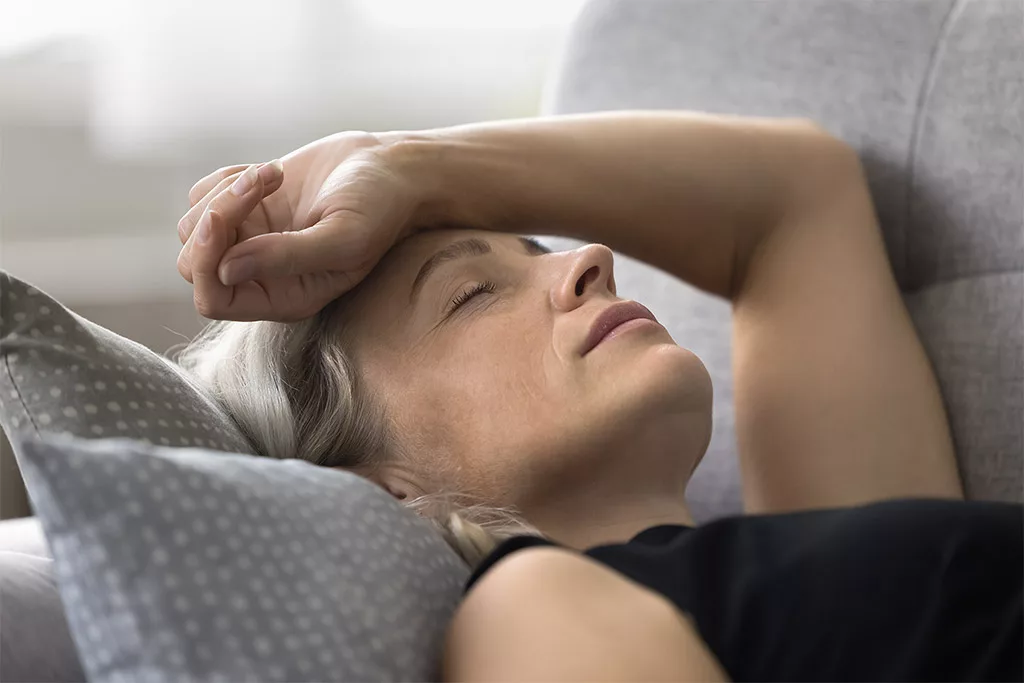
Short answer: yes, the hormonal roller‑coaster of perimenopause often leaves you feeling wiped out. The good news? Understanding the why behind the exhaustion gives you power to fight it back. Let’s walk through the science, the symptoms you might be noticing, and the realistic steps you can take to feel more like yourself again.
Hormonal Roots
What hormonal changes happen?
During perimenopause your ovaries start to send mixed signals. Estrogen, progesterone and even testosterone dip and surge in ways that feel like a bad radio station stuck between stations.
- Estrogen ↓ – This hormone helps regulate melatonin (the sleep hormone) and serotonin (the mood‑boosting neurotransmitter). When estrogen wavers, you often get restless nights and sluggish days.
- Progesterone ↓ – Known for its calming, “GABA‑like” effect, lower progesterone can make it harder to drift off and stay asleep.
- Testosterone ↓ – Though we think of testosterone as a “male” hormone, women need it for motivation, muscle tone and a sense of vigor. A dip can leave you feeling flat.
How hormone swings trigger fatigue pathways
Three main pathways turn hormonal turbulence into the “I can’t get out of bed” feeling:
- Sleep‑loss cycle – Night sweats and hot flashes wake you up, cutting deep‑sleep stages and leaving you with a “crash‑after‑coffee” vibe.
- Cortisol overload – Estrogen normally keeps cortisol (the stress hormone) in check. When estrogen drops, cortisol can run wild, draining your energy reserves.
- Blood‑sugar instability – Progesterone helps smooth out glucose spikes. Without its steadying hand, you may experience mid‑day energy crashes.
Key study snippet
According to a 2025 cross‑sectional study published in Menopause , 46.5 % of perimenopausal women reported “physical and mental exhaustion.” The researchers linked those numbers directly to fluctuating estrogen and progesterone levels.
Spotting Symptoms
What does perimenopause fatigue feel like?
It’s more than “a little tired.” You might feel:
- Heavy‑eyed even after a full night’s sleep.
- Brain fog that makes simple tasks feel like climbing a mountain.
- A persistent low‑level “drain” that no amount of coffee seems to fix.
Read more about the day‑to‑day experience in our guide on what does perimenopause fatigue feel like.
Associated signs to watch for
Fatigue rarely walks alone. Common companions include:
- Perimenopause fatigue and dizziness – Light‑headedness can result from blood‑sugar swings or low blood pressure when you stand quickly.
- Night sweats that interrupt sleep.
- Mood swings, anxiety or a sudden drop in motivation.
- Heavier or prolonged menstrual bleeding, which can lead to iron‑deficiency anemia.
Red‑flag checklist (when to see a clinician)
| Symptom | Why it matters |
|---|---|
| Fatigue > 3 months despite good sleep hygiene | May indicate hormonal imbalance, anemia, thyroid issues, or depression. |
| Severe night sweats waking you multiple times | Disrupts deep‑sleep cycles, amplifying fatigue. |
| New‑onset dizziness or faintness | Could signal iron loss or blood‑pressure changes. |
| Unexplained weight gain or loss | Hormonal shifts affect metabolism. |
Why Fatigue Happens
Hormone‑induced sleep disruption
Estrogen and progesterone act like the conductors of your sleep orchestra. When they dip, REM and deep‑sleep stages get out of sync, leaving you with fragmented rest.
Vasomotor symptoms (hot flashes & night sweats)
These sudden temperature spikes are the body’s way of saying “I’m out of balance.” They jolt you awake, and each interruption steals a bit of the restorative sleep you need.
Metabolic shifts & iron loss
Heavy or prolonged periods—known medically as abnormal uterine bleeding (AUB)—are common in perimenopause. The extra blood loss can deplete iron stores, and iron‑deficiency anemia is a classic cause of chronic tiredness.
In a 2025 press release from The Menopause Society, researchers highlighted that women with AUB were two‑to‑four times more likely to report debilitating fatigue, even after accounting for other factors.
Case study excerpt
Maria, 48, stopped feeling “energetic” after six months of heavy bleeding. Blood tests showed low ferritin. After a gentle iron supplement plan, her fatigue scores dropped by 45 %. Stories like Maria’s remind us that a simple lab check can make a huge difference.
Fight the Exhaustion
Lifestyle Foundations (the “core four”)
Think of these as the four pillars that keep your house standing while the wind (hormones) blows.
- Regular moderate exercise – Aim for 150 minutes a week of walking, swimming, or yoga. A 2020 study found moderate‑intensity activity lifts energy levels and improves sleep quality in perimenopausal women.
- Sleep hygiene – Keep a consistent bedtime, dim the lights an hour before sleep, and keep the bedroom cool (around 65 °F). Avoid screens and caffeine after 2 p.m.
- Hydration & balanced meals – Water helps cells stay hydrated (especially when estrogen is low). Pair protein with complex carbs to stead blood sugar.
- Stress‑relief routine – Short mindfulness or breathing exercises can quiet the cortisol surge that worsens fatigue.
Targeted Nutrition & Supplements
When diet alone isn’t enough, consider the vitamins listed below. They’re backed by research and safe for most people—but always check with your healthcare provider first.
| Vitamin / Mineral | Primary Benefit | Suggested Daily Dose* | Food Sources |
|---|---|---|---|
| Vitamin D | Improves mood, muscle function, and immune health | 800‑1000 IU | Sunlight, fortified milk, fatty fish |
| Vitamin B‑12 | Supports energy metabolism | 2.4 µg | Meat, eggs, fortified cereals |
| Magnesium | Promotes restful sleep and calm | 310‑320 mg | Almonds, leafy greens, black beans |
| Iron (if low) | Corrects anemia‑related fatigue | 18 mg (women) | Red meat, lentils, spinach |
| Omega‑3 (EPA/DHA) | Reduces inflammation, supports brain health | 1 g | Salmon, sardines, algae oil |
*These dosages are general guidelines. A blood test will tell you whether you truly need a supplement.
For a deeper dive on the best supplements for perimenopause electricity, check out our article on vitamins for perimenopause fatigue.
Medical Options
If lifestyle tweaks and supplements aren’t enough, there are evidence‑based medical routes:
- Hormone Therapy (HT) – Low‑dose estradiol, sometimes combined with progesterone, can smooth out the hormonal peaks and valleys that drive fatigue. Discuss benefits and risks with a specialist.
- Non‑hormonal prescriptions – Certain low‑dose antidepressants (SSRIs or SNRIs) have been shown to improve sleep quality and reduce vasomotor symptoms, indirectly easing fatigue.
Decision‑tree (quick guide)
Use this mini‑chart to decide your next step:
| Situation | First Action | Next Move (if needed) |
|---|---|---|
| Newly noticing fatigue | Track sleep, diet, activity for 2 weeks | Consult primary care for labs (iron, thyroid) |
| Lab results normal but fatigue persists | Introduce targeted supplements | Consider HT after specialist review |
| Severe night sweats + mood swings | Sleep hygiene + stress‑relief routine | Non‑hormonal prescription for vasomotor relief |
Vitamins & Supplements
How to choose a reputable brand
Look for third‑party testing seals like USP, NSF, or ConsumerLab. Those logos mean the label actually matches what’s inside the bottle.
Timing matters
Take magnesium in the evening to promote relaxation. Vitamin D works best with a meal that contains some fat. Iron should be taken on an empty stomach, but if it upsets you, a small amount of food is acceptable.
When to Seek Professional Help
Feeling exhausted is never “just part of aging” when it interferes with daily life. Consider a professional evaluation if:
- Fatigue lasts longer than three months despite lifestyle changes.
- You experience severe night sweats, dizziness, or heart palpitations.
- Blood tests reveal low iron, thyroid abnormalities, or other concerns.
- Emotional health declines—persistent sadness, anxiety, or irritability.
A clinician can run a simple panel (CBC, ferritin, TSH, vitamin D) and guide you toward personalized treatment—whether it’s adjusting hormone therapy, adding a supplement, or addressing an underlying condition.
Conclusion
Perimenopause does cause fatigue, but it’s a symptom with a roadmap. Hormonal shifts disturb sleep, stress hormones, and blood‑sugar control, leading to that relentless exhaustion many women describe. By recognizing the warning signs, checking iron levels, embracing gentle exercise, fine‑tuning your sleep environment, and supplementing wisely, you can reclaim your energy.
If you’ve ever felt the “why am I so tired?” question linger after a night of tossing, you’re not alone. Understanding the science behind the fatigue empowers you to take concrete steps—whether that means a short walk after dinner, a daily magnesium capsule, or a conversation with your doctor about hormone therapy.
Take a moment now: what’s one small change you feel comfortable trying this week? Maybe a 10‑minute evening stretch, a glass of water before bed, or booking that blood‑test appointment. Every tiny adjustment adds up, and you deserve to feel vibrant again.
Frequently Asked Questions
Fluctuating estrogen, progesterone and testosterone affect sleep, cortisol regulation and blood‑sugar stability. The combined effect often leads to chronic tiredness.
Consider the timing and accompanying signs: night sweats, irregular periods, mood swings, or heavy bleeding. If fatigue lasts >3 months despite good sleep hygiene, lab tests (iron, thyroid, hormone levels) can help rule out other causes.
Yes. Regular moderate exercise, consistent sleep routines, balanced meals with protein and complex carbs, adequate hydration, and stress‑relief practices have all been shown to improve energy and sleep quality.
Seek medical advice if fatigue persists >3 months, is accompanied by severe night sweats, dizziness, unexplained weight changes, or if blood tests reveal anemia, thyroid or hormonal abnormalities.
Low‑dose estrogen (often combined with progesterone) can smooth hormonal peaks and improve sleep, cortisol balance, and energy levels. Risks include blood‑clotting concerns and must be discussed with a clinician to weigh benefits against potential side effects.



Related Posts

How to Treat an Inverted Nipple
Aug 10, 2026 • 26 min read
Which Is Better — Using Free Weights or Machines?
Sep 15, 2026 • 7 min read
7 Easy Ways to Stretch Tight Glutes
Sep 18, 2026 • 26 min read
How Does Drinking Soda Affect Your Dental Health?
Aug 26, 2026 • 36 min read
Best CBD Gummies for Pain: 4 Options If You Don’t Like Topicals
Sep 30, 2026 • 25 min read