
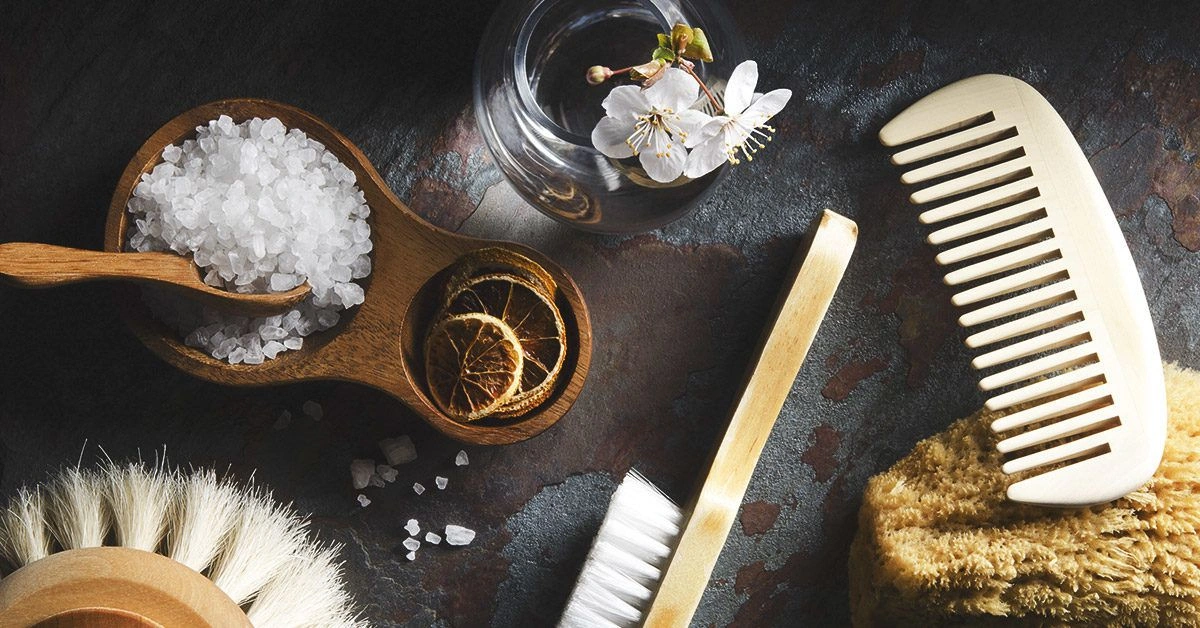
An Epsom salt detox isn’t simply dumping table salt into your tub. These soaks typically use Epsom salt, which proponents say allows minerals to “pull out” impurities from the body. Advocates often assert that soaking in an Epsom salt bath can eliminate harmful substances and restore balance. They also claim it may help with:
- managing weight
- relieving sore muscles
- improving overall wellness
- promoting relaxation
Epsom salt resembles table salt in appearance, but it’s a distinct chemical. Epsom salt is composed of magnesium and sulfate, whereas table salt is sodium chloride.
Reports suggest Epsom salt has been used for centuries, dating back to when an English farmer noticed that the “bitter water” from his wells helped heal skin irritations and injuries. Keep reading to discover the advantages of Epsom salt and how to use it for bathing.

What are the benefits of an Epsom salt detox?
The primary claimed benefit of an Epsom salt soak is magnesium uptake. More research is needed to confirm that magnesium is absorbed through the skin, though a 2004 trial of 19 participants showed higher blood levels of magnesium and sulfate after soaking.
| Benefits | Method | How it works |
|---|---|---|
| softer skin | 20-minute bath soak | may soften skin, lower inflammation, and fortify the skin barrier to help retain moisture |
| muscle soreness and pain | 12-minute bath soak | reduces inflammation, muscle discomfort, and tightness; there’s moderate evidence that magnesium may ease muscle cramps |
| relaxation and anti-stress | 1-hour bath soak | may help reduce stress (low magnesium levels are linked to anxiety, depression, and increased stress) |
| laxative | 20-minute soak or oral use: 10 to 30 grams for adults; 5 to 10 grams for children 6 years or older (consult your doctor for infants under 6) | produces a bowel movement 30 minutes to 6 hours after taking |
| ingrown toenails | 12-minute foot soak | reduces swelling and pain |
| splinters | Epsom salt paste | can help draw out small splinters |
| magnesium balance | 12 to 20-minute soak | may help replenish magnesium (potentially helpful for those at risk of low levels, such as people with fibromyalgia) |
Some benefits may also be attributable to the warmth and self-care aspect of a bath. Heat itself can ease tension, soreness, and discomfort.
How to make an Epsom salt detox bath
To prepare an Epsom salt bath, follow these steps:
1. Use about 2 cups of Epsom salt for a standard bathtub filled with warm water (do not exceed 101.5 to 102°F (38.6 to 38.8°C)).
2. Pour the salt under the running water so it dissolves faster and blends evenly. The water should feel slightly slippery.
3. Soak for at least 12 minutes (or 20 minutes if treating constipation).
For extra aromatherapy, add essential oils like lavender, peppermint, or tea tree to the bath (always do a patch test before trying a new oil). Or linger longer than 12 minutes to truly unwind and enjoy some personal downtime.
For targeted use, you can make an Epsom salt paste. Mix a small amount of salt with water to form a paste and apply it directly to the affected area.
Epsom salt is available at health food stores, supermarkets, and online. Avoid using Epsom salt in hot tubs, jetted tubs, or spas unless the manufacturer confirms it’s safe to do so.
For foot-specific treatment, consider an epsom salt foot soak to reduce swelling or soothe discomfort.
Does Epsom salt work for weight loss?
Evidence on baths
There’s no reliable evidence that Epsom salt baths cause weight loss. At best, spending an hour in a hot bath might burn around 130 calories. That’s comparable to a 30-minute walk, but without the benefits of building strength or endurance. Claims of weight loss are often due to sweating and temporary water loss.
Evidence on drinking
Health professionals warn against consuming Epsom salt as a “salt” detox for weight loss. Any initial weight reduction is usually water weight and will return once you stop. Drinking Epsom salt can also cause diarrhea, since it functions as a laxative.
Do this instead
There are far more effective, sustainable approaches to healthy weight loss. Start with:
- a balanced, nutritious eating plan
- regular physical activity
- prioritizing self-care
- reducing alcohol and added sugar intake
Alcohol, in particular, can deplete magnesium, so cutting back on alcoholic drinks may help if you’re monitoring magnesium status.
Risks and side effects of Epsom salt baths
Discuss any concerns with your healthcare provider before trying an Epsom salt soak. The likelihood of side effects from a bath is low — your skin won’t usually absorb large amounts of magnesium.
Epsom salt baths are generally safe for children, but take care to prevent a child or infant from drinking the bathwater.
Pregnant individuals, young children, and people with impaired kidney function should not take magnesium orally. If your kidneys aren’t functioning well, excess magnesium may not be cleared properly, increasing the risk of serious problems.
Symptoms of magnesium overdose, typically from ingestion, include:
- extreme tiredness
- blurred vision
- dizziness or fainting
- breathing difficulties
- changes in urination
- slow heart rate
- muscle weakness
These side effects are uncommon in people with normal kidney function. Seek medical attention if symptoms persist or worsen.
All you need to know about Epsom salts
Talk with your doctor if you have worries about Epsom salt use or potential magnesium overload. Although more research is needed to confirm the effectiveness of Epsom salt soaks or transdermal magnesium absorption, many people still report positive outcomes.
For most individuals, a salt soak provides more external than internal advantages. You’ll likely step out feeling calmer, less achy, and with smoother skin.
While an Epsom soak isn’t a reliable weight management tool, it can be a pleasant treat after a long day at work or a tough gym session. A warm bath itself is an excellent way to decompress and carve out time for relaxation.
















Leave a Reply
You must be logged in to post a comment.