Epsom Salt Foot Soak

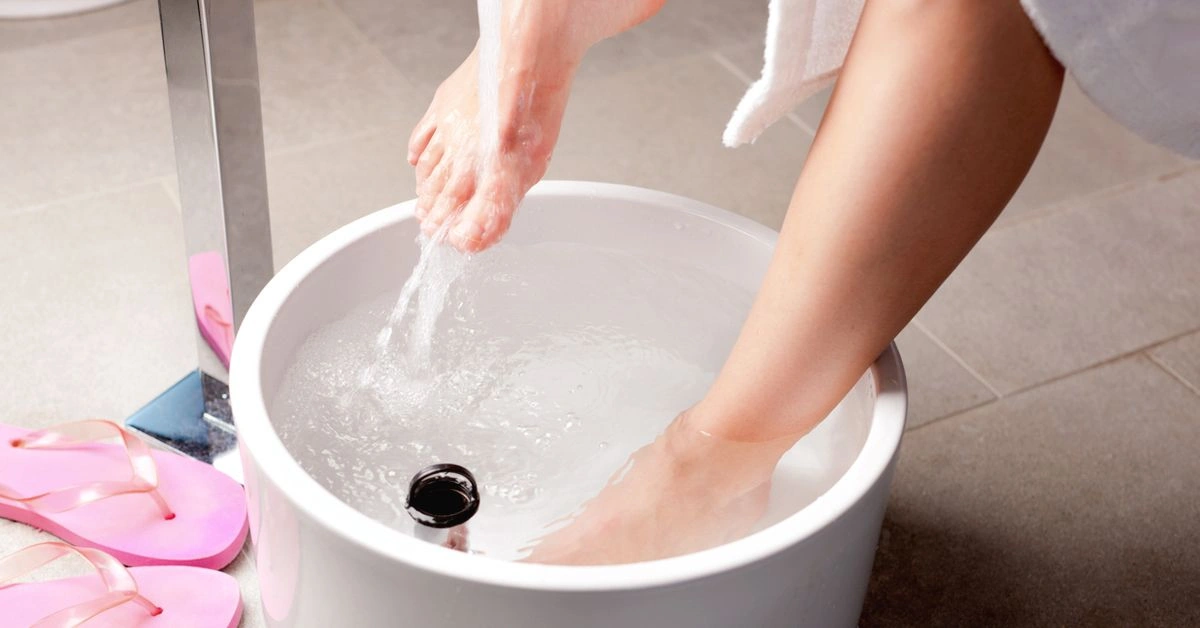
Epsom salt foot soaks offer a range of potential benefits for your feet. They may help alleviate foot discomfort, slough away dead skin, or assist in managing fungal issues.
Epsom salt is magnesium sulfate, not the same as kitchen table salt (sodium chloride). It has a long history of use as a soothing and restorative agent. Nowadays, people commonly add it to hot baths or foot soaks to promote relaxation.
The magnesium in Epsom salt is only slightly absorbed through the skin, and current scientific evidence does not show that it meaningfully raises bodily magnesium levels. Still, Epsom salt may help ease pain tied to inflammation, which can be beneficial for foot health.
Advocates suggest that besides reducing pain and aiding recovery, dissolving Epsom salt in warm water can relieve gout-related discomfort, neutralize odor, and support infection care. More rigorous research is needed to confirm these assertions.

How to prepare a foot soak
To create an Epsom salt foot soak, follow these easy instructions:
- Fill a bathtub or basin with warm water deep enough to cover your feet.
- Stir in 1/2 cup of Epsom salt until it dissolves.
- Soak your feet for 30 to 60 minutes, up to twice weekly.
- For aromatherapy benefits, add a few drops of diluted lavender, peppermint, or eucalyptus essential oil to the bath.
- Thoroughly moisturize your feet after soaking.
This type of soak can dry out the skin, especially on the feet. Be sure to apply moisturizer after an Epsom salt foot soak to avoid cracked or irritated skin.
If you notice pain, redness, or open sores before or after a foot bath, consult your physician to explore other treatment options.
Benefits of Epsom salt foot soaks
Although Epsom salt baths are commonly used to reduce stress, foot soaks may offer additional advantages, including:
- managing fungal infections
- exfoliating rough skin
- relieving pain
- aiding splinter removal
While many people report stress-reducing effects from Epsom salt, stronger evidence is required to confirm antibacterial and antifungal properties. Talk with your healthcare provider about appropriate treatments before relying on this remedy.
1. Managing fungal infections
Epsom salt has a history of use in treating wounds and infections, but it can sometimes irritate injured skin. It doesn’t cure infections, yet it may help draw out impurities and soften tissue, potentially enhancing the effect of topical medications.
Epsom soaks can complement physician-prescribed treatments. Consult your doctor before trying this approach, because some infections—such as certain staph infections—may worsen with hot water or salt solutions.
For fungal issues of the feet or toenails, consider soaking twice daily for roughly 20 minutes. You might add diluted tea tree oil or other essential oils reputed to support healing.
2. Exfoliation
Epsom salt can serve as a gentle scrub to soften rough, cracked feet. After soaking, rub a small amount of Epsom salt into the skin to help slough away dead cells.
3. Pain relief
Some use Epsom salt to help ease inflammation-related pain. Regular foot soaks may decrease soreness from conditions like corns or general foot fatigue.
4. Removing splinters
An Epsom salt soak can assist in removing splinters. The minerals help reduce swelling around the affected area and soften the surrounding skin, making it easier to remove debris or hangnails.
Takeaway
For mild aches and discomfort, Epsom salt foot soaks can be a reasonably safe complementary home remedy. However, consult your healthcare provider before using them to treat infections or other medical issues.
Individuals with diabetes, kidney disease, heart conditions, or those who are pregnant should speak with their doctor prior to using Epsom salt.
Although anecdotal reports suggest benefits from Epsom salt for healing, more research is needed to clarify its effectiveness and appropriate uses.
If your condition does not improve, arrange a medical appointment to determine the best treatment plan. Epsom salt soaks are generally a safe home option to help manage common foot complaints.
Frequently Asked Questions
An Epsom salt foot soak is a warm water bath for the feet with magnesium sulfate (Epsom salt) dissolved in it, used to soothe soreness, soften skin, and assist with minor foot concerns.
Fill a basin with warm water, stir in about 1/2 cup of Epsom salt, soak for 30–60 minutes up to twice weekly, then moisturize your feet. Avoid very hot water and stop if you notice irritation.
While Epsom salt may help soften tissue and complement topical treatments, it does not cure fungal infections. Consult your healthcare provider for proper diagnosis and treatment before relying on soaks alone.
People with diabetes, open sores, heart or kidney conditions, or pregnant individuals should check with a doctor before using Epsom salt soaks. Discontinue use if pain, redness, or irritation occurs.
For general relief, soak up to twice weekly. For specific issues like fungal concerns, some suggest soaking once or twice daily for short periods, but follow medical advice tailored to your condition.






Related Posts
7 Ways to Remove Dead Skin from Your Feet
Sep 10, 2026 • 32 min read
Who Should Consider Getting Peroneal Tendon Surgery?
Aug 9, 2026 • 35 min read
What to Do When Your Shoes Are Too Tight
Aug 12, 2026 • 28 min read
Why Are Blisters Forming Between My Toes and How Do I Treat Them?
Jul 31, 2026 • 5 min read
What You Need to Know About Snap-In Dentures
Aug 12, 2026 • 22 min read