17 Incredibly Heart-Healthy Foods


- Key Takeaways
- 1. Leafy green vegetables
- 2. Whole grains
- 3. Berries
- 4. Avocados
- 5. Fatty fish and fish oil
- 6. Walnuts
- 7. Beans
- 8. Dark chocolate
- 9. Tomatoes
- 10. Almonds
- 11-13. Chia seeds, flaxseeds, and hemp seeds
- 14. Garlic
- 15. Olive oil
- 16. Edamame
- 17. Green tea
- Frequently asked questions about heart-healthy foods
- What foods are best for your heart?
- What foods prevent heart attacks?
- Which fruit is best for your heart?
- The bottom line
Key Takeaways
- Adding a mix of foods such as leafy greens, whole grains, berries, avocados, and oily fish to your meals can help lower heart disease risk factors like high blood pressure, elevated triglycerides, and high cholesterol.
- Foods high in antioxidants — for example dark chocolate, tomatoes, almonds, seeds, garlic, and green tea — may guard against oxidative stress and inflammation, both major drivers of cardiovascular problems.
- Simple dietary swaps, like using olive oil instead of other cooking fats and incorporating edamame for soy isoflavones, can support heart health by improving cholesterol profiles and overall cardiovascular function.
Diet substantially influences heart health and affects your likelihood of developing heart disease, the leading cause of death among adults in the United States.
Your food choices can modify heart disease risk factors, including:
- blood pressure
- triglyceride levels
- cholesterol levels
- inflammation
Below are 17 foods that can help optimize cardiovascular health.
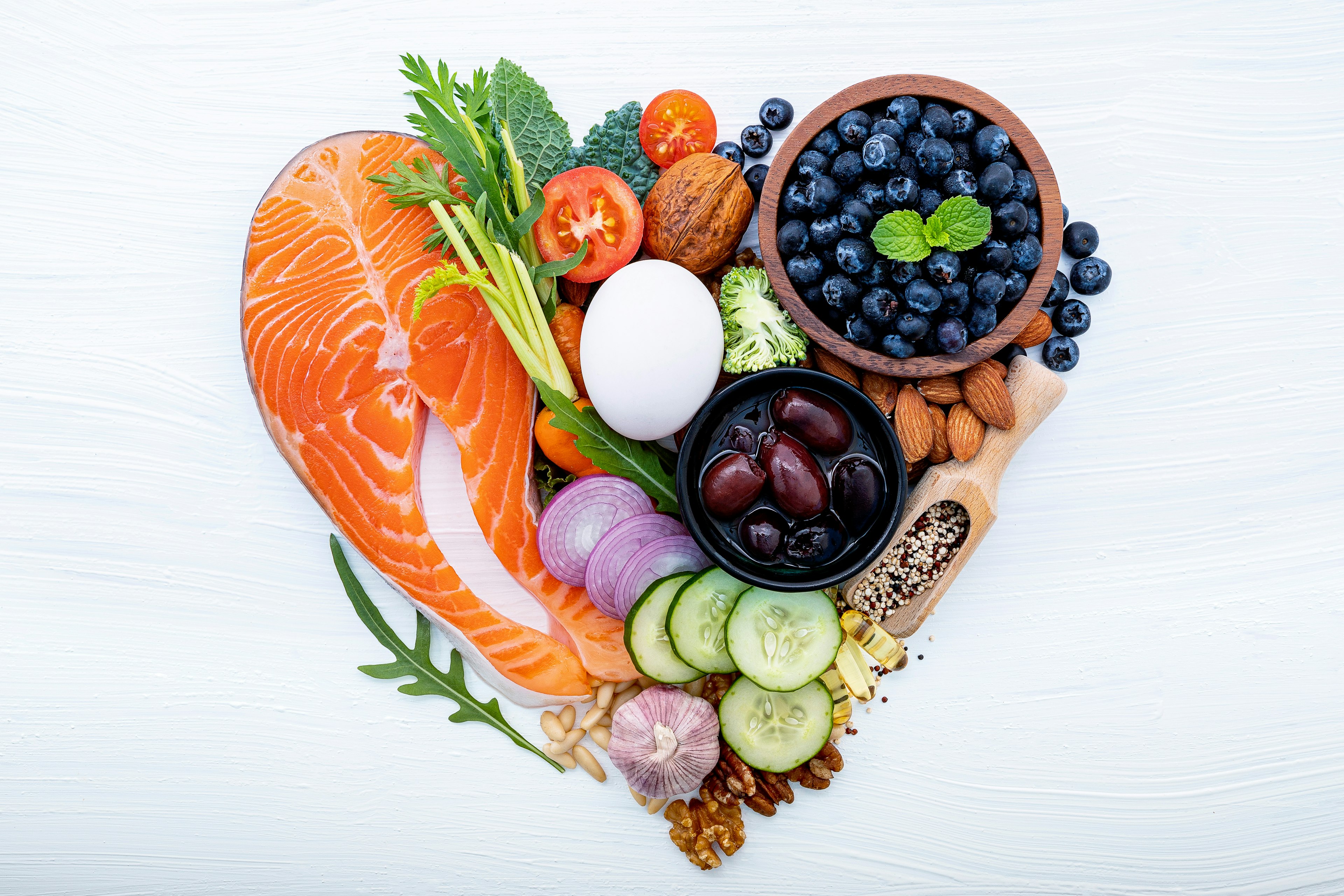
1. Leafy green vegetables
Leafy greens such as spinach, kale, and collards are prized for their abundance of vitamins, minerals, and protective antioxidants.
Notably, they’re an excellent source of vitamin K, which supports artery health and proper blood clotting.
They’re also rich in dietary nitrates, which research suggests can lower blood pressure, reduce arterial stiffness, and enhance the function of the cells lining blood vessels.
A study from the American Heart Association (AHA) found that eating more leafy greens is linked with greater cardiovascular benefits and a reduced risk of heart disease compared with other fruits and vegetables.
Summary: Leafy greens supply vitamin K and nitrates, which may help lower blood pressure and improve arterial function. Higher consumption of these vegetables is tied to a reduced heart disease risk.
2. Whole grains
Whole grains contain all three nourishing parts of the grain:
- germ
- endosperm
- bran
Popular whole grains include:
- whole wheat
- brown rice
- oats
- rye
- barley
- buckwheat
- quinoa
Refined carbs raise the risk of coronary heart disease, while whole grains are protective. Adding one or two extra servings of whole grains daily has been associated with roughly a 10% to 20% change in risk.
When shopping, check ingredient lists. Terms like “whole grain” or “100% whole wheat” indicate true whole-grain products, whereas labels such as “wheat flour” or “multigrain” may not.
Summary: Swapping refined grains for whole grains each day is associated with a lower risk of heart disease.
3. Berries
Strawberries, blueberries, blackberries, and raspberries are dense with nutrients vital for heart health.
Berries are abundant in antioxidants like anthocyanins , which defend against oxidative stress and inflammation that contribute to heart disease. Greater anthocyanin intake may lower the risk of coronary artery disease, including heart attack and high blood pressure.
Consuming blueberries daily may enhance vascular function — the performance of cells lining blood vessels — aiding blood pressure regulation and clotting control.
Berries make a satisfying snack or a flavorful dessert addition. Mix varieties into your diet to reap their benefits.
Summary: Berries are rich in antioxidants and can reduce several heart disease risk factors.
4. Avocados
Avocados provide heart-healthy monounsaturated fats, which have been linked to lower cholesterol and reduced cardiovascular risk. A 2022 study found that eating at least two avocado servings per week correlated with a 13% lower risk of cardiovascular disease and a 29% lower risk of coronary heart disease.
Evidence indicates avocados may help improve:
- LDL (bad) cholesterol, including small, dense LDL
- triglyceride levels
- vascular function
They’re also high in potassium, important for heart health and blood pressure control. One whole avocado (150 g) contains 728 mg of potassium — roughly 28% of an adult female’s daily need or 21% for an adult male.
Summary: Avocados deliver monounsaturated fats and potassium, which can help lower cholesterol, reduce blood pressure, and decrease heart disease risk.
5. Fatty fish and fish oil
Fatty fish such as salmon, mackerel, sardines, and bluefin tuna are rich in omega-3 fatty acids, widely researched for cardiovascular benefits.
Omega-3s from oily fish may play a protective role against heart disease. Some studies link omega-3 intake with reduced rates of cardiovascular events and arrhythmias.
If seafood intake is low, fish oil supplements provide an alternative source of omega-3s. Fish oil may lower all-cause mortality, cardiac death, sudden death, and stroke.
Other options include krill oil and algal oil for a plant-based omega-3 source.
Summary: Fatty fish and fish oil are high in omega-3s and may reduce the risk of heart disease and arrhythmia.
6. Walnuts
Walnuts are a valuable source of fiber and minerals like magnesium, copper, and manganese.
Studies demonstrate that regularly eating walnuts can protect against heart disease, improve vascular function, and reduce blood pressure.
Diets including walnuts may lower LDL and total cholesterol.
Summary: Walnuts may reduce cholesterol and blood pressure and could be linked with a lower heart disease risk.
7. Beans
While beans are often celebrated for digestive benefits, multiple studies show they also reduce heart disease risk factors.
A systematic review of 21 studies found that consuming common beans could:
- decrease LDL cholesterol by 19%
- lower cardiovascular disease risk by 11%
- reduce coronary heart disease risk by 22%
Other research indicates beans may aid blood sugar control, lower blood pressure, and reduce diabetes risk.
Summary: Evidence shows beans can lower cholesterol, help control blood pressure, and improve blood sugar management.
8. Dark chocolate
Dark chocolate contains antioxidants such as flavonoids, which may support heart health. Research indicates potential benefits for:
- blood clotting
- blood pressure
- blood lipid levels
- blood sugar regulation
A 2019 study suggested that moderate chocolate consumption (under 100 g per week) may lower risks of coronary heart disease, stroke, and heart attack, with an optimal intake around 45 g weekly.
However, many studies don’t fully account for other influencing factors. Chocolate can also be high in sugar and calories, which can offset benefits.
Choose high-quality dark chocolate with at least 70% cocoa and limit portions to gain the most heart-health advantages.
Summary: Dark chocolate is rich in flavonoid antioxidants and has been associated with reduced risk of heart disease and stroke when consumed in moderation.
9. Tomatoes
Tomatoes are rich in lycopene, a plant pigment with strong antioxidant effects. Antioxidants neutralize free radicals, limiting oxidative damage and inflammation that contribute to heart disease.
Research links low lycopene levels in the blood with higher risks of heart attack and stroke.
Increasing tomato intake or taking lycopene supplements can favorably affect certain blood lipids, blood pressure, and endothelial function.
A review noted that a serving of raw tomatoes, tomato sauce, or tomato products with refined olive oil may lower LDL and triglycerides while increasing HDL. The authors also observed that lycopene is better absorbed from cooked tomato products than from raw tomatoes.
Summary: Tomatoes are high in lycopene and have been associated with reduced heart attack and stroke risk, as well as higher HDL cholesterol.
10. Almonds
Almonds are extremely nutrient-dense and supply many vitamins and minerals important for heart health.
They’re also a solid source of phytosterols and fiber, nutrients that can help defend against cardiovascular disease.
Research indicates that eating almonds may improve lipid profiles and aid weight management, lowering cardiovascular risk.
Keep in mind that almonds are calorically dense . Monitor portion sizes if you are trying to lose weight.
Summary: Almonds contain fiber and phytosterols and have been linked to reductions in cholesterol and abdominal fat.
11-13. Chia seeds, flaxseeds, and hemp seeds
Chia, flax, and hemp seeds are excellent sources of heart-supporting nutrients like fiber and omega-3 fatty acids.
Many studies find that adding these seeds to your diet can improve heart disease risk factors, including inflammation, blood pressure, cholesterol, and triglycerides.
Hemp seeds are rich in arginine, an amino acid tied to lower levels of certain inflammatory markers.
Flaxseed supplementation may aid blood pressure and cholesterol control and reduce cardiovascular risk.
Chia seeds deliver fiber, antioxidants, and omega-3s that may help lower blood pressure, clotting, and LDL cholesterol.
Summary: Evidence indicates that consuming seeds can improve several heart disease risk factors, such as inflammation, blood pressure, cholesterol, and triglycerides.
14. Garlic
Garlic possesses strong medicinal qualities that may benefit heart health.
This effect is attributed to allicin, a compound believed to have multiple therapeutic actions . Allicin may help protect against arterial plaque buildup (atherosclerosis) and the death of heart cells (apoptosis).
A meta-analysis of 12 trials reported that garlic supplements lowered both systolic and diastolic blood pressure and were comparable to a common blood pressure medication in effect.
For best results, eat garlic raw or crush it and let it rest briefly before cooking to allow allicin to form.
Summary: Garlic and its constituents have been shown to reduce blood pressure and cholesterol and may help prevent arterial plaque formation that contributes to heart disease.
15. Olive oil
Olive oil is rich in antioxidants, which can reduce inflammation and lower cardiovascular disease risk.
Compared with many other fats, olive oil is high in heart-healthy monounsaturated fatty acids, oleic acid, and antioxidants, and it can help prevent and manage hypertension .
Use olive oil to finish cooked dishes or in vinaigrettes and sauces.
Summary: Olive oil is loaded with antioxidants and monounsaturated fats. Studies associate it with reduced blood pressure and a lower risk of heart disease.
16. Edamame
Edamame — immature soybeans common in Asian cuisine — are rich in soy isoflavones, a flavonoid class that may help lower LDL cholesterol.
Edamame and other whole soy foods also provide fiber and antioxidants. While concentrated soy protein products are an option, experts prefer whole-food sources like edamame for overall health.
Summary: Edamame offers soy isoflavones, fiber, and antioxidants that can contribute to lower cholesterol and better heart health.
17. Green tea
Green tea may offer multiple cardiovascular benefits . Its polyphenols and catechins act as antioxidants to prevent cellular damage, reduce inflammation, and protect heart health.
Many studies show green tea can increase leptin, a hormone involved in appetite regulation, and lower LDL cholesterol.
Green tea extracts may also improve blood pressure and glycemic control. A review found that taking green tea or its extract for three months reduced blood pressure compared with placebo.
Green tea supplements or matcha, which uses powdered whole leaves, may also be beneficial for heart health.
Summary: Green tea is rich in polyphenols and catechins and has been linked to lower cholesterol, triglycerides, and blood pressure.
Frequently asked questions about heart-healthy foods
What foods are best for your heart?
Authorities generally advise eating vegetables, fruits, whole grains, and foods high in lean protein and healthy fats for heart protection. They also suggest choosing low-fat dairy and oils high in unsaturated fats.
When selecting protein sources, opt for lean varieties. Fatty fish are particularly beneficial because of their omega-3 content.
What foods prevent heart attacks?
A balanced, nutrient-rich diet is among the most effective strategies to lower heart attack risk, according to the National Health Service . They recommend a Mediterranean-style eating pattern that emphasizes whole grains, vegetables, fruits, and fish while limiting foods high in saturated fat.
Which fruit is best for your heart?
A 2020 study concluded that all fruits support heart health, with citrus fruits and apples among the top fruits for preventing cardiovascular disease.
A 2021 study that evaluated 10 specific fruits highlighted pomegranates and grapes as particularly well-researched and beneficial.
The bottom line
Your diet influences many facets of cardiovascular health, including blood pressure, inflammation, cholesterol, and triglyceride levels.
Incorporating heart-supporting foods into a balanced, nutritious eating plan can help maintain a healthy heart and reduce the risk of heart disease.
Frequently Asked Questions
Prioritize leafy greens, whole grains, berries, fatty fish, nuts (like walnuts and almonds), seeds (chia, flax), avocados, olive oil, garlic, and green tea to support cholesterol, blood pressure, and overall cardiovascular health.
Yes. Foods high in soluble fiber (beans, oats), plant sterols (nuts, seeds), and healthy fats (olive oil, avocados, fatty fish) can help lower LDL cholesterol when included as part of a balanced diet.
Health organizations commonly recommend eating fatty fish such as salmon or mackerel at least twice per week to get beneficial omega-3 fatty acids that support heart health.
Yes—nuts and seeds are calorie-dense but nutrient-rich. Eating moderate portions (a small handful) can provide heart benefits without derailing weight goals when part of a balanced eating plan.
Extra virgin olive oil is high in monounsaturated fats and antioxidants and is generally a healthier choice than saturated fats for lowering cardiovascular risk when used in place of butter or tropical oils.





Related Posts

Does Medicare Cover Echocardiograms (ECG)?
Sep 11, 2026 • 34 min read
All About Xarelto
Oct 5, 2026 • 11 min read
Tadalafil (Oral Tablet): Side Effects, Dosage, and Review
Sep 22, 2026 • 25 min read
What’s the Difference Between a Kink and a Fetish?
Oct 7, 2026 • 18 min read
Smoker's Cough: Everything You Need to Know
Sep 13, 2026 • 6 min read