Incubators for Babies: Why They’re Used and How They Work

- Why might a baby be placed in an incubator?
- Prematurity
- Breathing difficulties
- Infection
- Maternal gestational diabetes
- Jaundice
- Traumatic or prolonged delivery
- Low birth weight
- Postoperative recovery
- What functions does an incubator perform?
- Are there various types of incubators?
- Open incubator
- Closed incubator
- Transport or portable incubator
- Takeaway
You’ve eagerly awaited meeting your newborn, so being kept apart can feel heartbreaking. No new parent wants to be separated from their infant.
If your baby arrives early or is unwell and needs extra care, you’ll likely become familiar with your hospital’s neonatal intensive care unit (NICU) — and the incubators it uses.
It’s natural to have many questions about incubators. From what they’re used for to how they function, we’ve compiled the key information to help you understand this essential medical apparatus.
And remember: don’t hesitate to ask the hospital’s medical team any questions you have. They’re there to help both you and your baby.
Why might a baby be placed in an incubator?
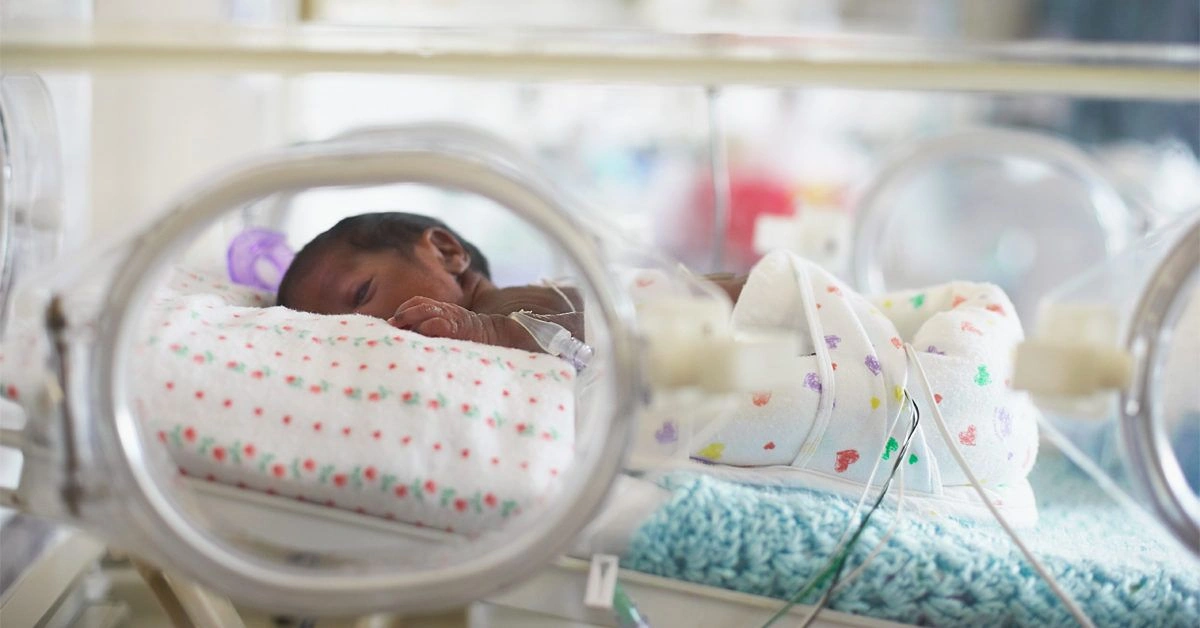
Incubators are standard equipment in NICUs. Used alongside other medical devices and procedures, they help create the best possible environment and continuous observation for infants who need additional support.
Think of them as a second womb — designed to shield a baby and deliver the optimal conditions for growth and healing.
There are several reasons a baby might require an incubator, including:
Prematurity
Premature infants often need more time for their lungs and other organs to mature. Their eyes and eardrums can be particularly sensitive, and normal levels of light and sound could potentially harm these developing structures.
Babies born very early also lack the subcutaneous fat that helps maintain body heat and may need assistance staying warm.
Breathing difficulties
Newborns can sometimes have fluid or meconium in their lungs, which may cause infections or impaired breathing. Others have underdeveloped lungs that require close monitoring and supplemental oxygen.
Infection
Incubators help lower the risk of additional infections while a baby recovers. They also provide a protected area where vital signs can be observed continuously, especially if the infant requires multiple IV lines for medications, fluids, or nutrition.
Maternal gestational diabetes
When the mother had gestational diabetes, doctors often place the baby briefly in an incubator to keep them warm while their blood sugar levels are carefully observed.
Jaundice
Some incubators are equipped with phototherapy lights to treat jaundice, a yellowing of the skin and eyes caused by elevated bilirubin — a pigment produced during normal red blood cell breakdown.
Traumatic or prolonged delivery
If a newborn experienced trauma during birth, they may need continuous monitoring and extra medical support. An incubator provides a womb-like setting where the baby can stabilize and recover.
Low birth weight
Even full-term infants who are very small may struggle to maintain body heat without assistance. Low-weight babies often face similar challenges as preemies — such as breathing and feeding difficulties — and benefit from the regulated environment and oxygen support an incubator provides.
Postoperative recovery
Babies who require surgery after birth need close observation in a controlled, safe space. An incubator is well-suited for post-surgical monitoring and recovery.
What functions does an incubator perform?
It’s easy to think of an incubator as merely a bed for an ill infant, but it does much more than offer a place to rest.
An incubator creates a secure, regulated environment where a newborn’s vital systems can develop.
Unlike a basic bassinet, an incubator allows precise control over temperature, oxygen levels, humidity, and lighting.
Many infants — particularly those born several weeks early — could not survive without this carefully managed atmosphere.
In addition to climate regulation, incubators shield babies from allergens, infectious agents, and excessive noise or light. Humidity control helps prevent a newborn’s skin from losing too much moisture and becoming dry or fragile.
Incubators often incorporate monitoring devices that track metrics such as temperature and heart rate, enabling nurses and physicians to continuously assess the baby’s condition.
Besides monitoring, incubators are usually designed either with an open top or side access ports so caregivers can perform medical procedures and interventions without removing the infant from the controlled environment.
Incubators are commonly used in conjunction with interventions like:
- feeding via IV
- delivery of blood products or medications through IV lines
- continuous monitoring of vital signs
- mechanical ventilation
- phototherapy lights for jaundice treatment
So, an incubator not only protects a baby but provides an ideal setting for clinicians to treat and observe them.
Are there various types of incubators?
You’ll encounter several styles of incubators. Three frequently used kinds are open incubators, closed incubators, and transport incubators. Each has its own design, strengths, and limitations.
Open incubator
Also referred to as a radiant warmer, an open incubator places a baby on a flat surface with a radiant heat source positioned above or below.
The heat output is typically regulated by the baby’s skin temperature. Although many monitors may surround the infant, the space above remains open.
Because it’s open to the air, this type doesn’t control humidity as effectively as closed models. Still, it can warm the baby and keep track of vital signs.
Open incubators make it easier to practice skin-to-skin contact, since the baby can be reached from above.
They’re suitable for infants who mainly need temporary warming and routine monitoring. But because they don’t provide full humidity control or strong protection from airborne germs, they’re less appropriate for babies needing a more sealed, sterile atmosphere.
Closed incubator
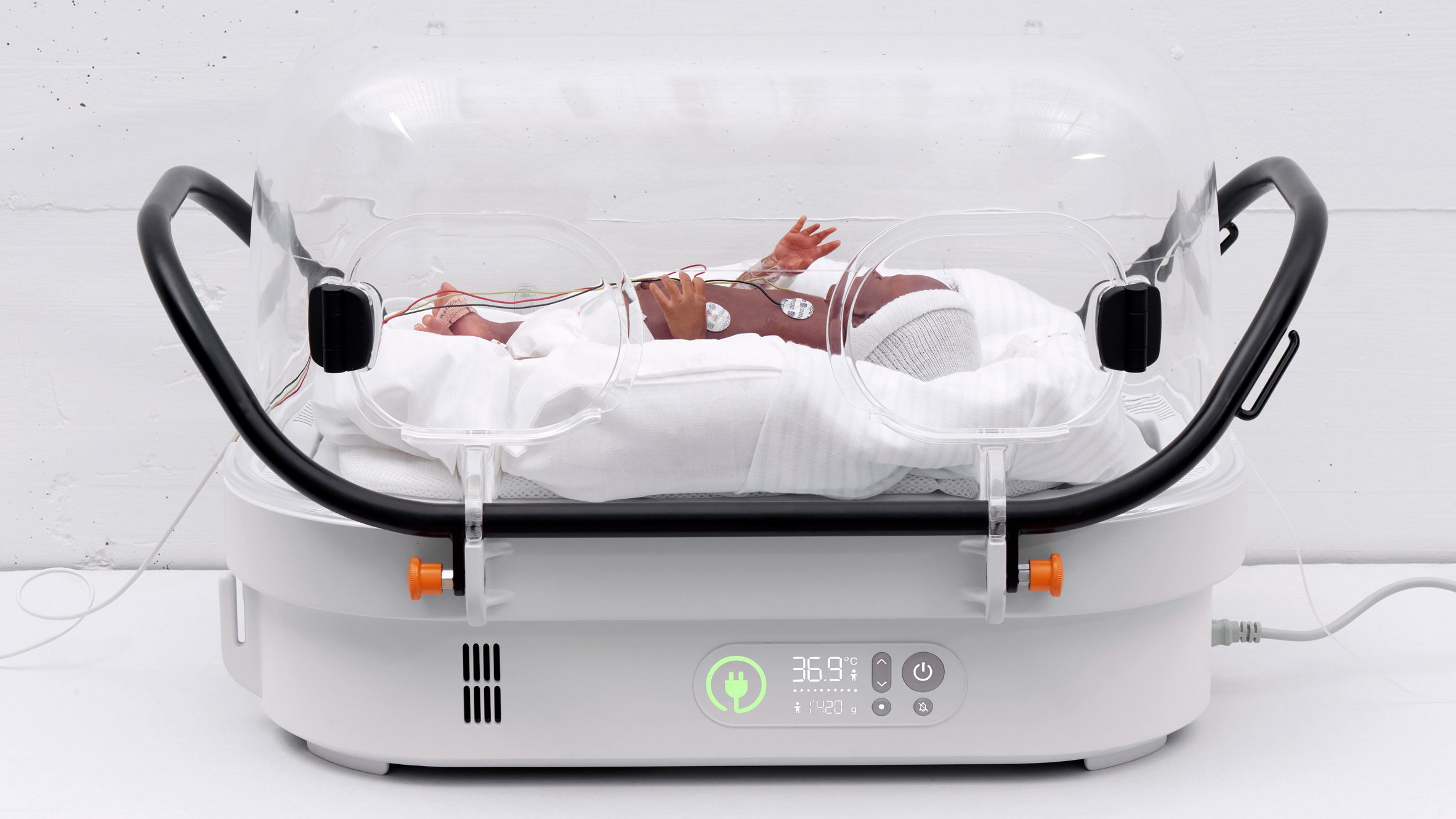
A closed incubator fully encloses the infant, with arm ports in the sides for IVs and hands to access the baby while keeping external elements out. It creates a climate-controlled bubble around the infant.
Heat circulation works differently here: warm air is circulated through a canopy encompassing the baby.
Temperature and humidity can be adjusted manually via controls on the exterior or set to change automatically using skin sensors attached to the infant. Incubators that auto-adjust in this way are known as servo-control models.
Closed incubators are their own microenvironments, making them ideal for infants who need enhanced infection protection, diminished light and noise exposure, and precise humidity control.
Some closed models feature double walls to reduce heat and air loss; these are often called double-walled incubators.
Transport or portable incubator
As the name suggests, transport incubators are designed for moving a baby between locations.
They’re used, for example, when transferring an infant to another hospital for specialized services or to consult with specialists not available at the current facility.
A transport incubator usually houses a compact ventilator, a cardio-respiratory monitor, an IV pump, a pulse oximeter, and an oxygen supply.
Their smaller footprint means transport incubators can be used in spaces where larger open or closed units wouldn’t fit.
Takeaway
Although incubators can be intimidating, they are lifesaving devices that provide regulated environments for premature and sick infants. Many more babies survive difficult starts thanks to these units.
Incubators function like a second womb, offering a safeguarded bubble around your baby. While seeing your child in NICU equipment can be unnerving, the steady whir of the machines often means your baby is receiving needed heat and oxygen.
And while separation may worry you, there are hopeful findings: a 2008 study examining long-term outcomes of incubator care reported that 21-year-olds who had been in incubators at birth had a 2- to 3-fold lower risk of depression.
An incubator may not replace a mother’s embrace, but it provides warmth, protection, and vital information. Ask your nurse to explain your baby’s current environment, and when possible, visit the NICU to speak with, touch, or feed your infant as allowed. These interactions support their development and help you continue bonding.
Frequently Asked Questions
An incubator is a climate-controlled enclosure used in NICUs to keep infants warm, regulate humidity and oxygen, protect from infection, and enable continuous monitoring and medical support.
Length of stay varies by condition; some babies need only brief support for warmth or observation, while premature or medically complex infants may remain until they can maintain temperature, breathe and feed independently.
Yes—hospitals usually allow supervised touch and may permit kangaroo care (skin-to-skin) when the baby’s condition and the incubator type allow. Staff will guide safe handling and access procedures.
Incubators are generally safe and lifesaving. Risks are related to the infant’s underlying condition rather than the device; staff monitor for infection, temperature instability, or equipment-related issues to minimize problems.
Not all incubators have built-in phototherapy, but many can accommodate phototherapy lights or are used alongside phototherapy devices to treat elevated bilirubin levels in newborns.






Related Posts

What Are Licorice Root's Benefits and Downsides?
Aug 31, 2026 • 6 min read
The 10 Best Cooling Vests for Multiple Sclerosis (MS)
Sep 23, 2026 • 30 min read
6 Natural Treatments for Shingles
Sep 8, 2026 • 15 min read
Seed Probiotics Review 2025: A Dietitian’s Take
Aug 24, 2026 • 22 min read
The 8 Best Natural Energy Drinks, According to a Dietitian
Sep 29, 2026 • 32 min read