Low Cheekbones vs. High Cheekbones: What’s the Difference?


Whether your cheekbones sit high or low is largely determined by heredity. That said, makeup techniques and cosmetic procedures can change how pronounced they look.
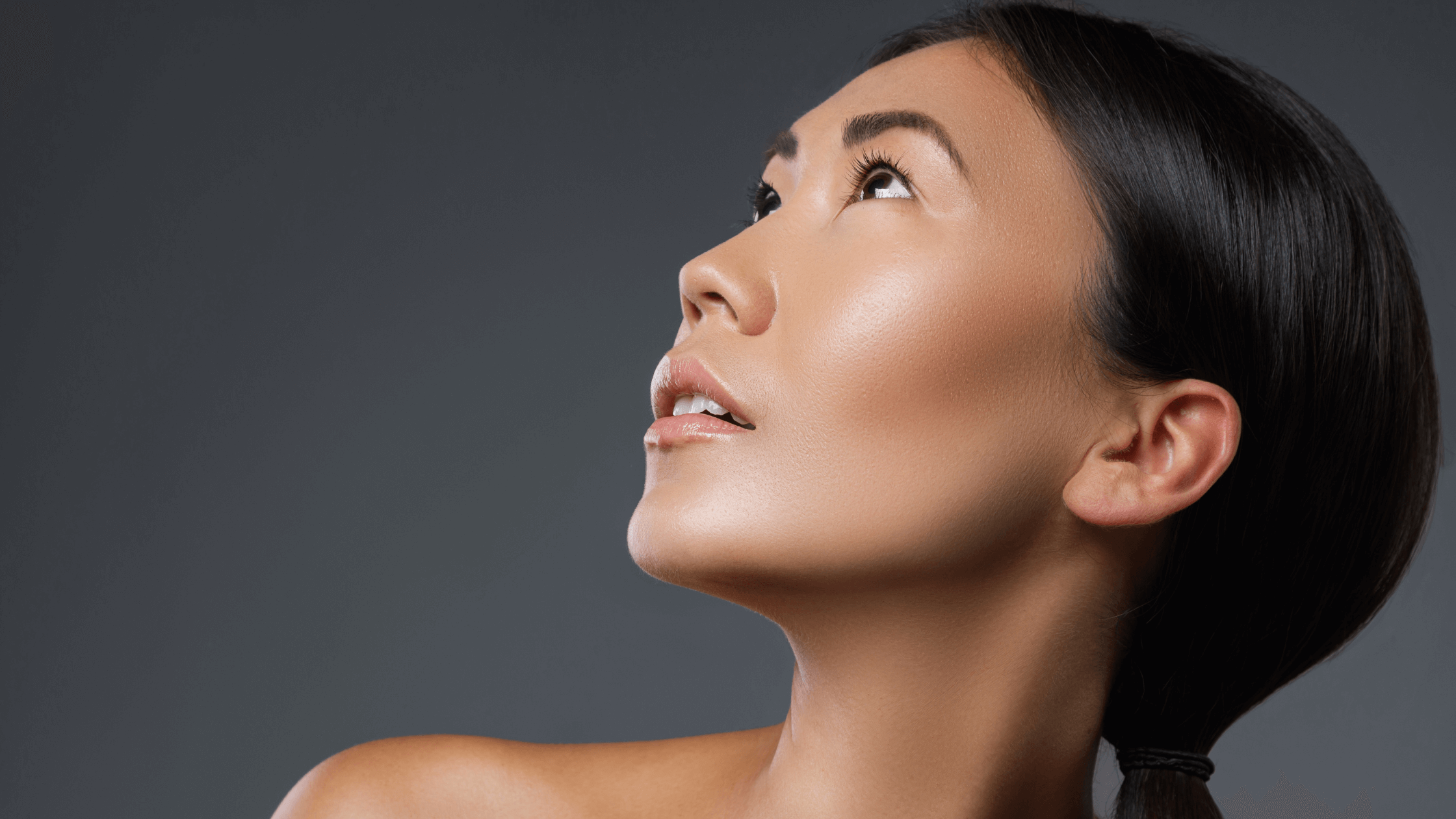
Your cheekbones are the bony framework beneath the skin of your face, primarily the malar bones. When these malar bones lie nearer to your eyes, you’re classified as having high cheekbones. Conversely, lower cheekbones describe malar bones that rest closer to the base of the nose.
Having high or low cheekbones doesn’t inherently mean anything about you as a person. Your ancestry and genetic makeup heavily influence facial structure. Different societies sometimes prize particular facial characteristics, such as high or low cheekbones, as conventional standards of attractiveness.
Finding your cheekbones
Identifying the position of your malar bones is straightforward. All you need is a mirror and adequate lighting.
With a clean, makeup-free face before the mirror, place your thumbs on the small cartilage nub over your ear canal (the tragus). Then put your index fingers at the sides of your nostrils. Gently bring your thumb and index finger together across your face until they meet. If you press lightly, you’ll be able to feel the ridge of your cheekbone.
Now check the mirror. If the cheekbone falls around the lower part of your nose, you have low cheekbones. If it sits beneath your eyes, near where the bridge of your nose starts, you have high cheekbones.
Ways to alter the look of your cheekbones
If you’re unhappy with how your cheekbones appear, you can use cosmetic makeup tricks to make them seem higher and more defined. There are also clinical options for a more permanent change.
Makeup techniques
If you prefer the look of higher cheekbones but don’t want surgery, makeup can create a slimmer, more sculpted facial effect. Using bronzer or blush alongside a highlighter, plus a contouring brush or sponge, allows you to manipulate shadow and light to give the illusion of elevated cheekbones. Plenty of tutorials are available online showing various approaches tailored to different face shapes and product types.
The general idea of using shadow and light to lift your cheekbones is as follows:
- Suck in your cheeks to make your cheekbones more visible. Place your brush on the bone and angle it outward toward the end of your eyebrows — that marks the endpoint of your contour line.
- Apply a bronzer about two shades darker than your natural skin tone beneath the cheekbone, extending up toward your eyebrow line.
- Blend the bronzer into your skin using upward strokes.
- For extra emphasis, apply a highlighter just under the eyes to draw attention to the cheek area you’ve enhanced.
- Use a foundation brush or beauty sponge to blend the bronzer and highlighter into your base makeup so it looks seamless and natural.
Cheek implants
Cheek implants, sometimes called cheek lifts, are chosen by people seeking a permanent change to facial contours. During the procedure, a plastic surgeon makes small incisions inside the mouth and places solid silicone implants onto the cheekbone. The operation is performed under general anesthesia, and recovery can be uncomfortable. Expect facial swelling and several days of soreness and discomfort for up to a week. Cheek implants deliver lasting alteration, but as with any surgery, they carry possible risks and complications.
Dermal fillers
For those wanting more prominent, higher-looking cheekbones without surgery, dermal fillers are an option. These injectables often contain substances such as hyaluronic acid (HA) or collagen, which are gradually broken down by the body. Well-known filler brands include Juvederm, Restylane, and Zyplast. Injected beneath the skin, fillers can create a temporary lift and contour to the cheeks. Results typically last up to three months, depending on the product and individual factors.
Bottom line
Beauty is personal and subjective. There are no inherently “good” or “bad” cheekbones — faces come in a wide array of shapes, each with unique appeal. If your cheekbones bother you, consider consulting a makeup counter about products and techniques to make them stand out more.
Cosmetic choices range from short-term, affordable options to more involved, costly procedures. Keep in mind that the height of your cheekbones is not a definitive marker of attractiveness.
Frequently Asked Questions
Stand in front of a mirror, place thumbs at the tragus and index fingers at your nostrils, then bring them together across your face. If the ridge aligns near the lower part of your nose, your cheekbones are low; if it sits beneath your eyes, they’re high.
Yes. Contouring with a bronzer two shades darker than your skin, applying it beneath the cheekbone, and blending upward, plus using highlighter under the eyes, creates the illusion of higher, more sculpted cheekbones.
No. Cheek implants are a permanent surgical option, but surgical approaches vary. Dermal fillers offer a non-permanent alternative, while implants provide longer-lasting structural change.
Fillers like hyaluronic acid typically last several months, often up to three to twelve months depending on the product, placement, and individual factors such as metabolism.
No. Attraction is subjective and influenced by culture and individual preference. Both low and high cheekbones can be attractive; makeup and cosmetic procedures can alter appearance if desired.






Related Posts
Is Shaving Against the Grain the Secret to Your Smoothest Shave Ever?
Oct 4, 2026 • 35 min read
Why Is My Sweat Salty? The Science Behind Sweat
Aug 27, 2026 • 9 min read
The 10 Best Silicone-Free Shampoos
Oct 3, 2026 • 17 min read
What Are Skin Neoplasms?
Aug 2, 2026 • 29 min read
How to Remove and Prevent Moths in Your Home
Aug 16, 2026 • 11 min read