Normal Sleep Cycle vs. Narcolepsy: What to Know


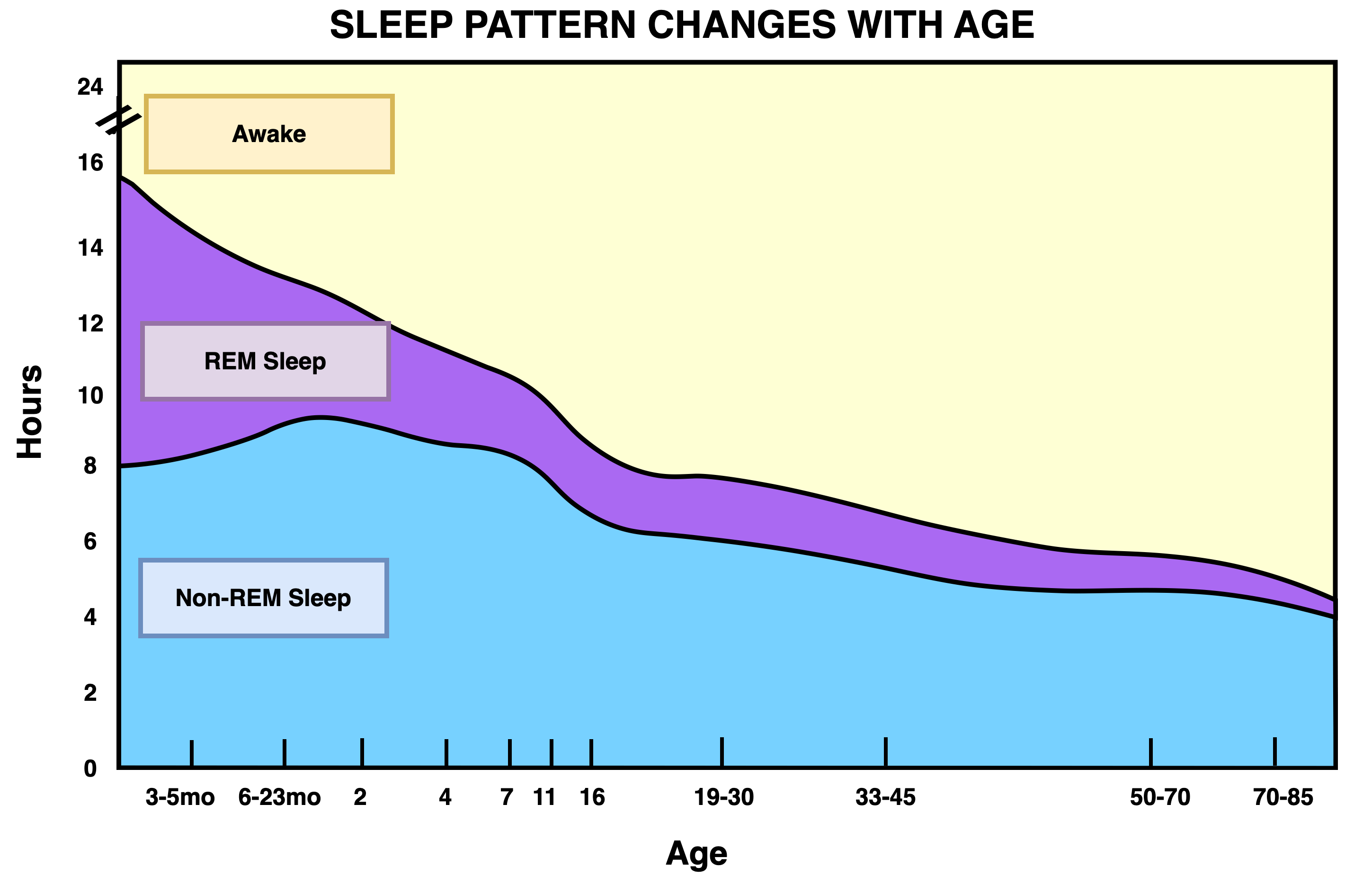
During sleep, your body follows a sequence known as the sleep cycle, which typically repeats about four to six times each night.
Each of these cycles lasts approximately .
Throughout the night, your brain moves through these phases repeatedly, allowing your body and mind to recover, repair, and prepare for the coming day.
What is narcolepsy?
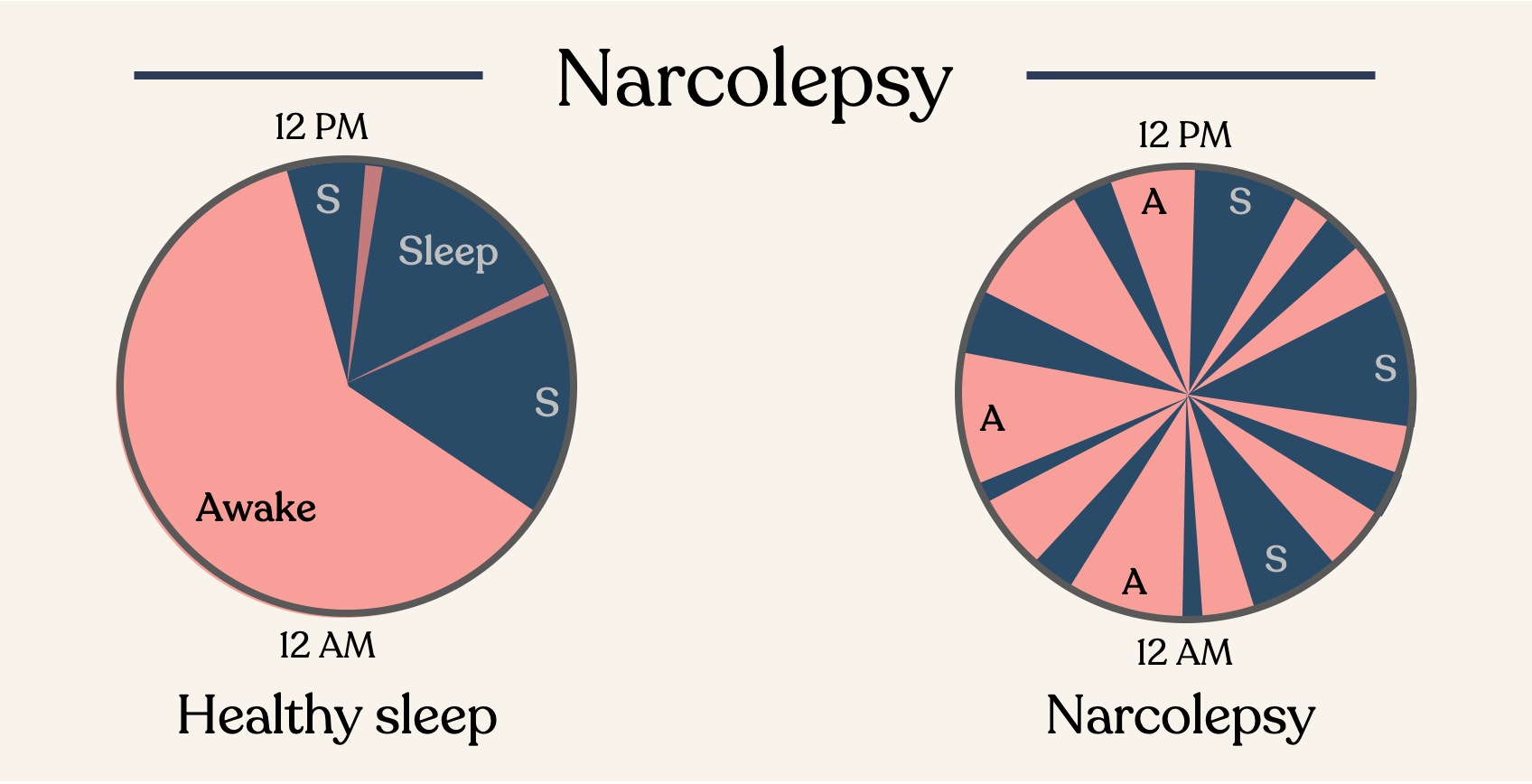
Narcolepsy is a sleep condition that interferes with the typical sleep cycle.
It leads to abrupt, uncontrollable “sleep attacks,” even when you’ve had sufficient rest the previous night.
Those living with narcolepsy frequently experience extreme daytime drowsiness and may unexpectedly nod off at unsuitable moments, such as during conversations or while driving.
Features that set narcolepsy apart from ordinary sleep patterns include:
- Daytime sleepiness: Persistent tiredness throughout the day, despite a full night’s rest. This is commonly the earliest sign and affects everyone with narcolepsy to some extent.
- Sleep attacks: Dropping off without warning, which can occur at any time and may pose safety risks.
- Muscle weakness (cataplexy): Sudden loss of muscle tone triggered by emotions such as stress or excitement, which doesn’t happen in normal sleep. This symptom may or may not be present.
- Rapid onset of dreaming: Entering REM sleep very quickly, often within minutes of falling asleep.
- Sleep hallucinations and sleep paralysis: Some individuals see dream-like images while awake or are temporarily unable to move during transitions into or out of sleep.
- REM sleep behavior disorder (RBD): You might experience RBD, where the usual muscle “paralysis” during REM sleep is absent. This can lead to moving, kicking, or vocalizing while asleep.
Frequently Asked Questions
A normal sleep cycle progresses through NREM and REM stages repeatedly with predictable timing. Narcolepsy disrupts this pattern with fragmented sleep, very rapid REM onset, frequent daytime sleep attacks, and sometimes cataplexy.
Yes. Diagnosis typically involves overnight polysomnography to rule out other sleep disorders and a multiple sleep latency test (MSLT) to measure daytime sleepiness and REM onset during naps.
No. Daytime sleep attacks in narcolepsy occur suddenly and uncontrollably even after adequate nighttime rest, whereas normal tiredness builds gradually and often improves with rest or stimulation.
No. Cataplexy—sudden muscle weakness triggered by emotions—occurs in many but not all people with narcolepsy. Its presence helps subtype the condition but is not required for diagnosis.
Treatment includes lifestyle adjustments (scheduled naps, sleep hygiene), stimulant or wake-promoting medications for daytime sleepiness, and specific therapies for cataplexy. A sleep specialist can tailor a plan.






Related Posts

Fragile X Syndrome and Autism: What Is the Link?
Aug 8, 2026 • 4 min read
10 of the Best Devices for People with Epilepsy
Oct 5, 2026 • 32 min read
10 Ways to Boost Serotonin Naturally and Without Medication
Sep 7, 2026 • 19 min read
Understanding Foot Supination
Sep 15, 2026 • 7 min read
12 Bench Press Alternatives to Build Size and Strength
Sep 14, 2026 • 33 min read