Does the Salt Pregnancy Test Really Work?


Picture, for a moment, being a woman in the 1920s. (Imagine the delightful flapper styles to distract you from some of the more unsettling women’s rights realities.) You suspect you might be pregnant but aren’t certain. What would you do?
Why, try a homegrown test that’s been passed down in local lore, naturally!
Modern at-home pregnancy kits — easily found in pharmacies and shown to detect pregnancy with a measurable degree of accuracy — didn’t receive Food and Drug Administration approval until 1976 .
Back then, ladies typically had to wait for unmistakable signs — a missed period, morning nausea, tiredness, and a growing belly — before they could be reasonably certain they were pregnant.
Yet whispers about do-it-yourself pregnancy checks persist into the 21st century. One especially common riff involves nothing more exotic than table salt, a couple of small dishes, and — forgive the bluntness — your urine.
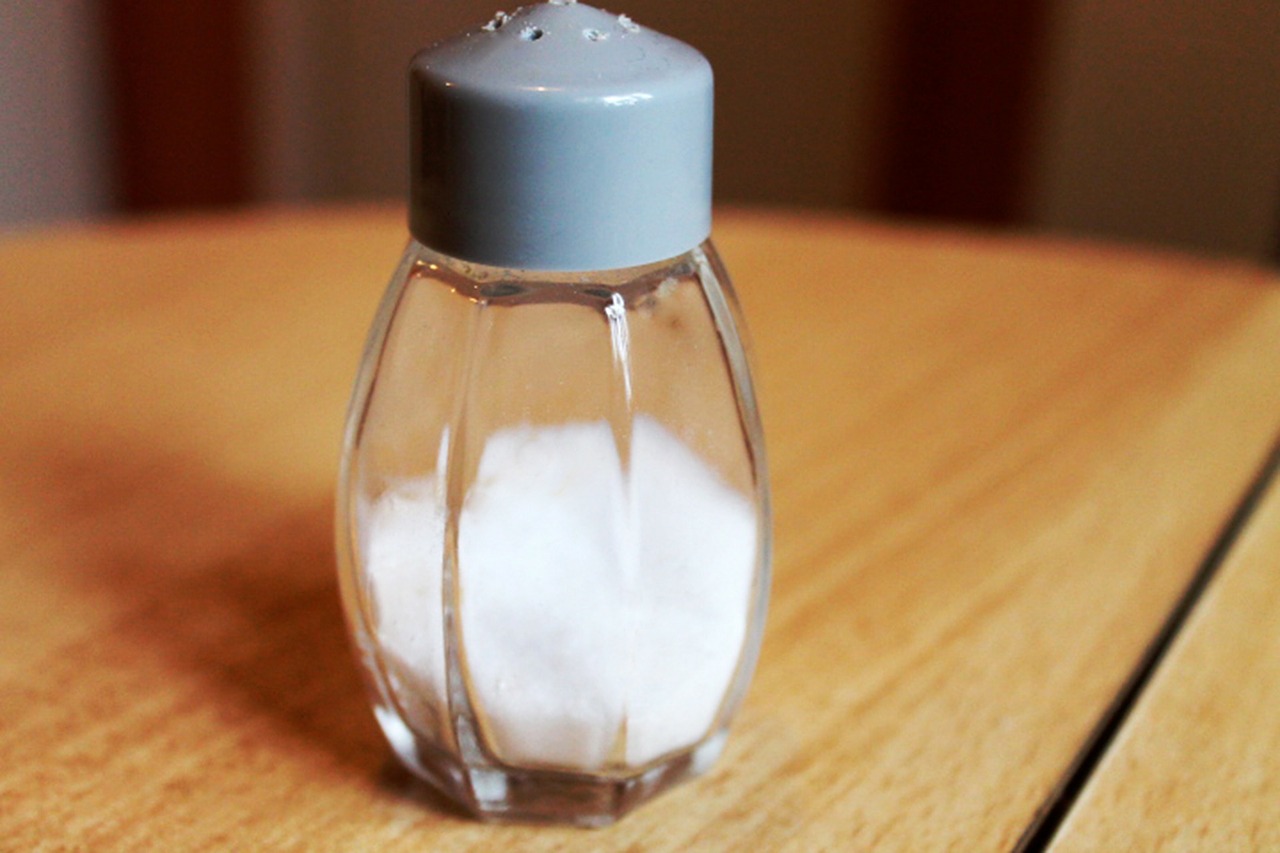
How is this salt-based test supposed to work, and can you trust it? (Short answer: Don’t put too much faith in it.) Read on.
What you’ll need to perform the test
According to various sources — none of which are scientifically vetted — you’ll want the following to attempt the salt pregnancy test:
- one small, clean, non-porous bowl or cup to collect your urine
- one small, clean, non-porous bowl or cup for the salt-urine mixture
- a couple of spoonfuls of common table salt
Using a clear bowl or cup for the mixture is ideal so you can observe any changes more easily.
Most sites simply say “regular” salt, without any further detail. So varieties like kosher salt — or that trendy Himalayan pink sea salt — are generally implied to be unsuitable.
How to carry out the test
- Begin by putting a couple of spoonfuls of salt into the clear bowl or cup.
- Collect a small sample of your first-morning urine in the other container.
- Pour the urine over the salt.
- Wait.
Here’s where directions become fuzzy. Some sources advise waiting a few minutes, while others recommend a couple of hours. A quick look at popular trying-to-conceive forums shows some people leaving their mixtures for as long as 8 hours or more.
How to interpret the outcome
Scan any TTC discussion about the salt pregnancy test online and you’ll find many photos of salt-urine in clear cups accompanied by questions like, “Is this positive?” That’s because nobody seems completely sure what signs to expect or how to distinguish a positive from a negative.
But here’s the folkloric guidance:
What a negative looks like
Supposedly, if nothing notable happens, the result is negative. You’re left with a cup of salt(ier) urine.
What a positive looks like
According to assorted sources, a positive salt pregnancy test will appear “milky” or “cheesy.” Proponents claim salt reacts with human chorionic gonadotropin (hCG), the hormone found in the urine (and blood) of pregnant people.
How reliable is the salt pregnancy test?
Think of the salt pregnancy test as a playful experiment rather than a medical procedure. It lacks scientific basis, medical endorsement, or clinician support. There’s no plausible mechanism suggesting salt interacts with hCG, and no peer-reviewed studies back up this idea or the test itself.
Occasionally you might get a result that matches reality — purely because random chance means it’ll be correct some of the time.
We struggled to find people who reported a positive salt test and later confirmed pregnancy. That doesn’t rule out such instances, but it does cast doubt on the test’s reliability.
One of our Healthline editors — and her spouse — gave the test a try. Like many others, they found the outcome ambiguous.
Something observable did occur, so the result wasn’t strictly negative. Yet the mixture didn’t look particularly “cheesy” or “milky,” either. For both participants the liquid remained clearer at the bottom and gradually formed a cloudy, salt-glob-like layer on top. Our best interpretation would be that this indicates a positive—but that’s far from conclusive.
To be clear: neither our editor nor her husband is pregnant.
The bottom line
If you suspect you might be pregnant, use a commercially available home pregnancy kit or consult your healthcare provider. If you’re curious and want to try the salt trick for fun, go ahead — but don’t rely on its findings. Always verify with an established testing method.
Wishing you all the best on your trying-to-conceive journey!
Frequently Asked Questions
The salt pregnancy test involves pouring urine over table salt and watching for changes (cloudiness or a “cheesy” appearance). Proponents say salt reacts with hCG, but there’s no scientific mechanism or evidence supporting that claim.
No. The salt test has no peer-reviewed validation and is considered unreliable. Results are inconsistent and can be influenced by urine concentration or salt solubility, not pregnancy status.
No. A milky or cloudy appearance can occur for many non-pregnancy reasons and doesn’t confirm pregnancy. Always follow up with a validated home pregnancy kit or a clinical test.
Use a commercially available home pregnancy kit after a missed period or when you suspect pregnancy. These tests detect hCG and are designed and validated for reliable at-home use.
The salt test itself is unlikely to cause physical harm if done hygienically, but relying on it for important decisions can be harmful. For health-related guidance, consult a healthcare provider and use approved tests.
Read Next






Related Posts

How to Use a Sled Push to Build Power, Speed, and Endurance
Sep 28, 2026 • 20 min read
What Are the Best Alternatives to Pushups?
Sep 14, 2026 • 23 min read
8 Best Pillows for People with Sciatica
Sep 30, 2026 • 5 min read
Planning for a Gentle Cesarean Birth
Aug 11, 2026 • 33 min read
How to Remove Nicotine Stains from Your Teeth
Aug 14, 2026 • 32 min read