Shellfish Allergy Medications: What to Avoid & Use

- Why It Matters
- Medications to Watch
- Prescription Drugs with Shellfish‑Derived Excipients
- OTC Products & Supplements to Watch
- Homeopathic & “Natural” Remedies (Proceed With Caution)
- Approved Emergency Drugs
- First‑Line Rescue
- Adjunct & Long‑Term Therapies
- Spotting Drug‑Induced Reactions
- Typical Symptom Timeline
- When to Suspect a Medication, Not Food
- Reporting & Documentation
- Practical Steps for Everyday Safety
- Read the Label – Quick Checklist
- Build a Safe Medication List
- Carry an Allergy Card
- Regular Follow‑Up
- Putting It All Together
- Take the Next Step
Hey there! If you’ve ever felt that twinge of panic after a shrimp dish or wondered whether that new supplement might be hiding a shellfish secret, you’re in the right place. In the next few minutes we’ll walk through the meds that could set off a reaction, the lifesaving drugs you should have on hand, and practical tips to keep you feeling safe and confident. Grab a cup of tea (or a glass of water—just make sure it’s not flavored with shrimp broth ????) and let’s dive in.
Why It Matters
Living with a shellfish allergy isn’t just about steering clear of the seafood buffet. Hidden ingredients in prescription pills, over‑the‑counter (OTC) vitamins, and even some homeopathic sprays can contain tiny amounts of crustacean protein. When those hidden bits are swallowed, they can trigger the same immune‑system fireworks you’d get from a plate of lobster. Knowing which drugs to avoid and which ones to keep close can be the difference between a day of normal bliss and a frantic trip to the ER.
Medications to Watch
Prescription Drugs with Shellfish‑Derived Excipients
| Drug Class | Common Brand / Ingredient | Why It Can React* | Typical Use | How to Verify |
|---|---|---|---|---|
| Vaccines | Some flu shots (squalene‑based) | Contains shark‑liver oil, a crustacean‑related lipid | Seasonal flu prevention | Ask pharmacist for “squalene‑free” version |
| Biologics | Xolair® (omalizumab) | Rare IgE‑mediated reports | Severe allergic asthma & food‑allergy adjunct | Check manufacturer sheet – see Genentech |
| Iron Supplements | Ferrous sulfate with chitosan coating | Chitosan is derived from crustacean shells | Treat iron‑deficiency anemia | Look for “non‑chitosan” label |
| Calcium Chews | Calcium carbonate tablets | Shell‑derived calcium sometimes used | Bone health support | Choose plant‑based calcium alternatives |
*Only a small fraction of patients experience a reaction, but the stakes are high enough to double‑check.
OTC Products & Supplements to Watch
- Glucosamine – often sourced from crab shells; look for “shell‑free” versions if you’re ultra‑sensitive.
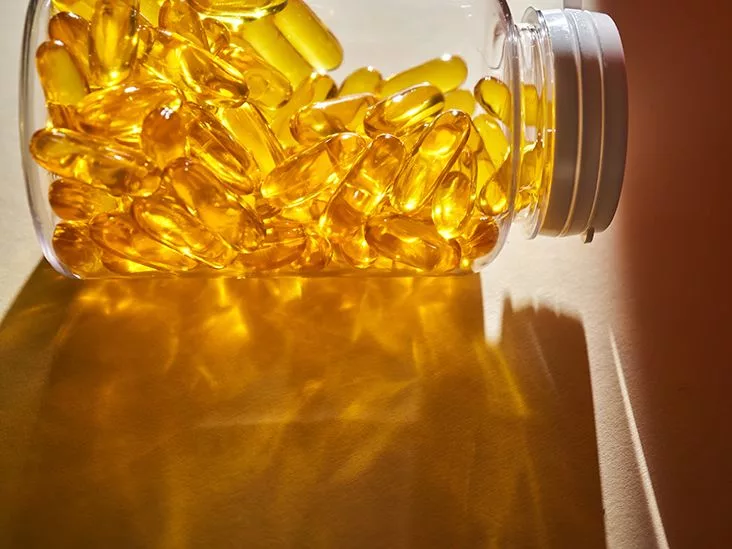
- Fish oil / krill oil capsules – krill comes from tiny shrimp‑like crustaceans. Opt for pure fish‑oil or algae‑derived omega‑3s.
- Multivitamins – many use calcium from oyster shells. Read the ingredient list or ask the pharmacist.
Homeopathic & “Natural” Remedies (Proceed With Caution)
The product named “ALLERGIES SHELLFISH AND SEAFOOD” lists a long line‑up of homeopathic ingredients, some of which are derived from shellfish. The FDA has not evaluated it for safety or efficacy, so it should only be used under a doctor’s guidance. For transparency, you can read the label details on DailyMed .
Approved Emergency Drugs
First‑Line Rescue
| Medication | Form | When to Use | Adult Dosage | Key Safety Note |
|---|---|---|---|---|
| Epinephrine auto‑injector | Auto‑injector (EpiPen®, Auvi‑Q®) | Signs of anaphylaxis – hives, throat tightness, wheeze | 0.3 mg IM (≥30 kg); repeat after 5‑15 min if needed | Carry it always; check expiration dates |
| Antihistamines | Oral (cetirizine, loratadine) or IV diphenhydramine | Mild‑to‑moderate urticaria, itching | Follow label; avoid first‑gen sedating types unless needed | Not a substitute for epinephrine |
According to the Mayo Clinic , epinephrine is the only medication proven to stop anaphylaxis in its tracks.
Adjunct & Long‑Term Therapies
- Xolair® (omalizumab) – an IgE‑targeting monoclonal antibody approved for severe food‑allergy cases, including shellfish. It doesn’t contain shellfish proteins, making it a safe option for many.
- Oral Immunotherapy (OIT) – a supervised program where you gradually eat tiny amounts of the allergen to build tolerance. It’s not a medication you buy off the shelf, but it’s worth mentioning as a long‑term strategy under allergist supervision.
- Supportive Supplements – Vitamin D and probiotic Lactobacillus rhamnosus GG have emerging evidence for modulating allergic responses; choose versions without shellfish‑derived carriers.
Spotting Drug‑Induced Reactions
Typical Symptom Timeline
When a medication is the culprit, the pattern often mirrors a food reaction:
- Immediate (seconds–minutes): Flushing, hives, throat tightness, wheezing – treat FAST with epinephrine.
- Delayed (1–4 hours): Stomach cramps, diarrhea, low‑grade rash, fatigue – antihistamines may help, but keep an eye out for escalation.
When to Suspect a Medication, Not Food
If you’ve avoided all shellfish for weeks, yet a reaction still shows up after starting a new prescription or supplement, it’s time to scrutinize the label. The “inactive ingredients” section is where hidden shellfish often hides.
Reporting & Documentation
Never suffer in silence. You can log unexpected shellfish reactions to any drug in the FAERS database. And keep a personal allergy action plan that lists “Medication‑trigger checklist” so you and your healthcare team stay on the same page.
Practical Steps for Everyday Safety
Read the Label – Quick Checklist
- Scan for words like chitosan, glucosamine, krill, shell‑derived calcium.
- Check the “inactive ingredients” list; manufacturers often hide excipients there.
- If anything is unclear, ask the pharmacist – they love a good detective challenge.
Build a Safe Medication List
Creating a downloadable PDF with columns for “Drug Name,” “Dose,” “Safe Alternatives,” and “Prescriber Contact” can be a lifesaver during a pharmacy visit. I keep mine on my phone and printed on the fridge for quick reference.
Carry an Allergy Card
Design a small wallet‑size card that reads:
I have a shellfish allergy.Avoid: medications with chitosan, krill oil, shell‑derived calcium.Emergency: Epinephrine auto‑injector (0.3 mg IM).Physician: Dr. Jane Doe, 555‑123‑4567
Show it to any new doctor, dentist, or urgent‑care clinician – it cuts the “do‑you‑have‑any‑allergies?” loop.
Regular Follow‑Up
Schedule an annual check‑in with a board‑certified allergist (preferably someone with at least five years of experience managing food allergies). They can refresh your action plan, update your medication list, and discuss newer options like biologics.
Putting It All Together
Here’s the TL;DR version for quick reference:
- Know the hidden culprits: chitosan, glucosamine, krill oil, shell‑derived calcium.
- Carry epinephrine always. It’s the only drug that can stop anaphylaxis.
- Use antihistamines for mild symptoms, but never replace epinephrine.
- Consider Xolair® or OIT if you’re dealing with frequent severe reactions and your allergist thinks you’re a good candidate.
- Document everything. Labels, side‑effects, and reports keep you empowered.
Living with a shellfish allergy doesn’t have to feel like walking on a tightrope. With a little vigilance, a well‑stocked emergency kit, and clear communication with your healthcare team, you can enjoy life’s flavors (or lack thereof) with confidence.
Take the Next Step
Do you have a story about an unexpected medication reaction? Or maybe a favorite “shell‑free” supplement you swear by? Share it in the comments below – your experience might be the exact clue someone else needs. And if you’re ready to build that safe medication list or get a prescription for an epinephrine auto‑injector, reach out to your allergist today. You’ve got this!
Frequently Asked Questions
Some vaccines (squalene‑based flu shots), certain iron supplements that use chitosan coating, calcium tablets derived from shell calcium, glucosamine sourced from crab shells, and krill‑oil omega‑3 capsules can all contain shellfish‑derived excipients.
Ask your pharmacist for a full ingredient list, request “squalene‑free” or “chitosan‑free” versions, and review the drug’s prescribing information under the “inactive ingredients” section.
The only medication proven to stop anaphylaxis instantly is an epinephrine auto‑injector (e.g., EpiPen®, Auvi‑Q®). Use 0.3 mg IM for adults ≥30 kg, and repeat after 5–15 minutes if symptoms persist.
Standard glucosamine is often extracted from crab shells. Look for “shell‑free” or “marine‑free” labeled versions, or choose plant‑based alternatives to avoid a reaction.
Compile a table with drug name, dose, known shellfish ingredients, safe alternatives, and prescriber contact. Keep a digital copy on your phone and a printed copy at home, and update it whenever a new medication is prescribed.





Related Posts

Chickpea Allergy: What You Need to Know
Aug 6, 2026 • 31 min read
Can Face Masks Help Reduce Allergy Symptoms?
Aug 30, 2026 • 30 min read
What Does a Continuous Passive Motion (CPM) Machine Do?
Aug 28, 2026 • 5 min read
Constipation and Back Pain
Aug 1, 2026 • 14 min read
What You Need to Know About Vacuum-Assisted Wound Closure (VAC)
Jul 31, 2026 • 29 min read