Does Masturbation Have Positive or Negative Effects on the Brain?


- Masturbating releases hormones
- How does masturbation affect your mood?
- Can masturbating improve your focus and concentration?
- Can masturbating help alleviate stress and anxiety?
- Can masturbating help you fall asleep?
- How does it affect your self-esteem?
- Can masturbating improve your sex life?
- What are the negative effects of masturbation?
- Can underlying health conditions affect masturbation?
- The bottom line
Masturbating can trigger the release of beneficial hormones that positively influence your overall well-being and emotional state. At the same time, individual experiences vary, and some people may notice unwanted psychological reactions.
Masturbation refers to sexual self-stimulation for pleasure, typically involving contact with one’s own genitals. There is a great deal of mixed messaging, myths, and confusion surrounding whether this practice is healthy or harmful. Discussions about the Side effects of masturabation in male daily on brain are especially common, often leading to misunderstandings fueled by stigma rather than science.
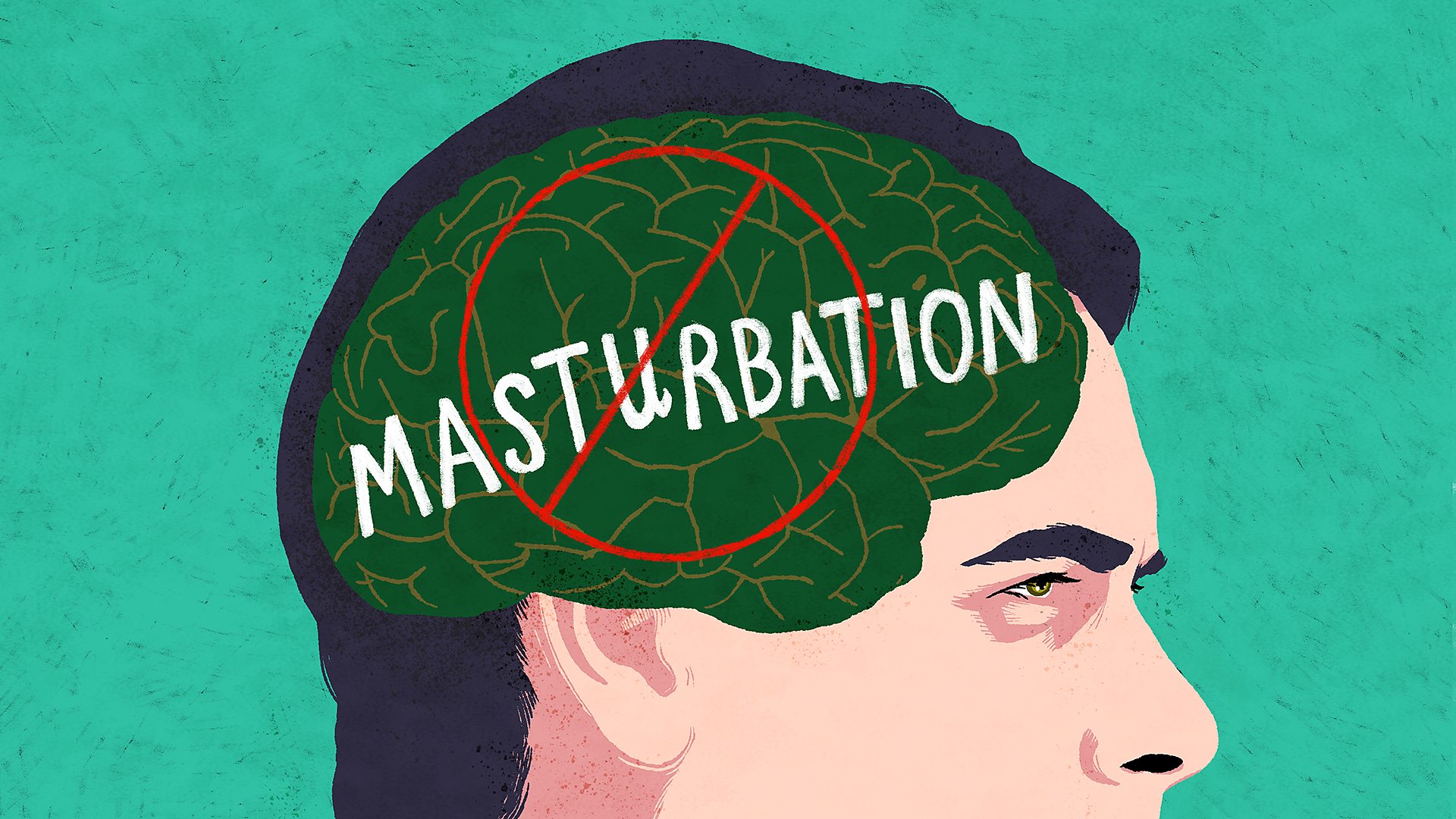
In reality, masturbation is widely considered a natural and safe behavior. It can serve as a way to understand your body, preferences, and sexual responses. Research increasingly explores how regular sexual activity may influence mental clarity, mood, and neurological pathways, which is why conversations about the Side effects of masturabation in male daily on brain continue to gain attention.
Research indicates that sexual behaviors, including masturbation, activate multiple brain regions and stimulate cognitive, emotional, and autonomic processes. These interactions explain why some individuals report mood elevation or relaxation afterward.
Ultimately, choosing whether or not to masturbate is a personal decision. If you do, evidence shows it does not cause physical harm. If you prefer not to, that choice is equally valid and healthy.
Below, we explore how masturbation may influence the brain, mood, concentration, and overall mental health.
Masturbating releases hormones
Masturbation stimulates the release of several key hormones, including :
- Dopamine: Often described as a “happiness hormone,” dopamine plays a central role in the brain’s reward and motivation system.
- Endorphins: These natural pain relievers also promote relaxation and emotional uplift.
- Oxytocin: Commonly referred to as the love hormone, oxytocin supports bonding and feelings of closeness.
- Testosterone: This hormone is released during sex to help improve stamina and arousal.
- Prolactin: Essential for lactation, prolactin also affects mood regulation and immune function.
The coordinated release of these hormones may enhance mood, promote restful sleep, improve concentration, and support certain aspects of physical health. However, when evaluating the Side effects of masturabation in male daily, it’s important to consider frequency, personal beliefs, and psychological context.
How does masturbation affect your mood?
Dopamine, endorphins, and oxytocin are frequently labeled “happiness hormones” because they’re associated with:
- positive emotional states such as happiness, calmness, achievement, and overall well-being
- psychological effects including stress relief, emotional bonding, and relaxation
Some findings suggest masturbation may provide short-term emotional relief when someone is feeling low. For example, a 2024 study reported that clitoral masturbation reduced stress and enhanced participants’ moods.
Likewise, a 2021 review concluded that masturbation helped ease anxiety in males, partly because it involves intentional self-soothing behavior. When discussing the Side effects of masturabation in male daily on brain, it is crucial to distinguish between short-term mood elevation and potential psychological distress related to guilt or compulsive patterns.
Can masturbating improve your focus and concentration?
You may have heard the phrase “post-nut clarity,” describing a sudden sense of mental sharpness following orgasm.
Many individuals report improved concentration after masturbating, which is why some choose to do so before studying, working, or taking exams.
Although research is limited, several studies hint at possible cognitive benefits:
- A 2016 study found that sexual activity such as masturbation and intercourse enhanced word recall and number sequencing in men, while women experienced improvements in word recall.
- A 2019 study observed improved word recall in women after masturbation.
While these findings are promising, more research is needed to clarify the long-term neurological implications, particularly in discussions around the Side effects of masturabation in male once a week versus daily frequency.
Can masturbating help alleviate stress and anxiety?
Although oxytocin is widely recognized for its role in bonding, it is also linked to relaxation and stress reduction.
Oxytocin may help relieve anxiety and stress by lowering cortisol levels. It does this by reducing the secretion of corticotropin-releasing factor (CRF) and adrenocorticotropin (ACTH) from the brain. This hormonal cascade may explain why some people feel calmer after orgasm.
However, if masturbation becomes compulsive or interferes with daily functioning, stress levels may increase rather than decrease. In such cases, understanding behavioral patterns is more important than focusing solely on hormone release.
Can masturbating help you fall asleep?
Using masturbation as a sleep aid is among the most commonly reported reasons individuals engage in it.
This perceived benefit may be linked to the relaxing properties of oxytocin and endorphins following orgasm.
Still, scientific evidence is mixed. A 2021 study determined that masturbation with or without orgasm did not objectively improve sleep, even though participants believed it helped them rest better.
Sleep quality also depends on lifestyle factors such as screen time, caffeine intake, stress management, and circadian rhythm. Masturbation alone is unlikely to override these influences.
How does it affect your self-esteem?
Masturbation can function as a form of self-exploration and self-care. Becoming familiar with your body may foster greater sexual confidence and comfort.
Positive attitudes toward masturbation have been shown to help boost self-esteem and sexual function. However, individuals raised with strong cultural or religious prohibitions may experience internal conflict, which can negatively impact mental health.
Therefore, when examining the Side effects of masturabation in male daily on brain, psychological context plays a critical role. Feelings of shame or guilt may contribute more to distress than the act itself.
Can masturbating improve your sex life?
Beyond potential brain and mood effects, masturbation may positively influence partnered sexual experiences. Some research suggests it may support:
- sex drive (libido)
- arousal
- orgasm
- sexual function, pleasure, and satisfaction
Understanding what feels pleasurable can improve communication with a partner and enhance intimacy. Self-awareness gained through masturbation may reduce performance anxiety and increase confidence.
What are the negative effects of masturbation?
Although masturbation can offer emotional and physiological benefits, some individuals report negative psychological experiences.
You may simply dislike it or feel indifferent, which is completely acceptable. Personal preference should guide your decision.
In other cases, masturbation or the urge to masturbate may trigger guilt, shame, anxiety, conflict, or self-criticism. These reactions may stem from several factors , including:
- religious or spiritual beliefs that label masturbation as a “sin”
- being in a relationship and feeling it conflicts with personal values
- exposure to societal stigma, myths, or misleading medical information
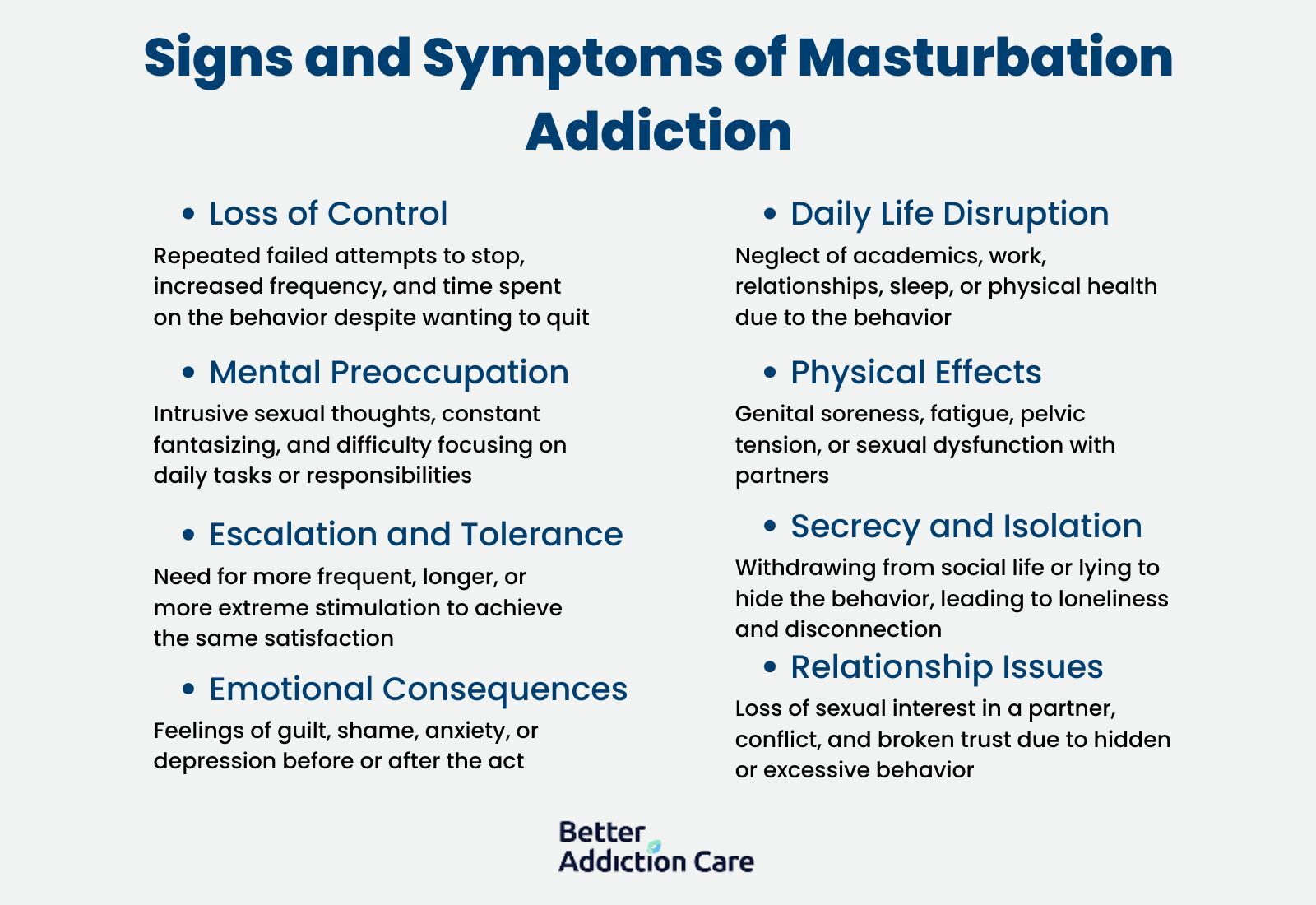
Masturbation can also be emotionally challenging for individuals with a history of sexual trauma.
If negative emotions interfere with your well-being, speaking with a licensed therapist may help you process these feelings and develop a healthier perspective.
Can underlying health conditions affect masturbation?
Certain medical conditions can make masturbation physically difficult or uncomfortable, potentially leading to frustration. These include:
- erectile dysfunction
- low libido
- vaginal dryness
- dyspareunia (painful intercourse)
- post-orgasmic illness syndrome , a condition in which people experience flu-like symptoms after orgasm
If you suspect an underlying health issue is affecting your sexual function, consult a qualified healthcare professional for evaluation and guidance.
The bottom line
Masturbation is a common form of sexual self-stimulation that may elevate mood, reduce stress, and contribute to relaxation. Scientific evidence does not support the idea that it causes direct neurological harm.
Concerns about the Side effects of masturabation in male daily on brain often relate more to psychological, cultural, or behavioral factors than to physical damage. Moderation, self-awareness, and emotional context are key considerations.
Whether you choose to masturbate is entirely personal. Engage in it if it aligns with your values and comfort level — and remember, there is no obligation if it doesn’t.
User FAQs
Daily masturbation can trigger the release of hormones like dopamine and oxytocin, which may temporarily improve mood and reduce stress. However, individual psychological reactions vary, and feelings of guilt or compulsive patterns can lead to negative emotional effects.
Some individuals report improved concentration post-orgasm, often called “post-nut clarity.” Limited studies suggest potential short-term cognitive benefits like enhanced word recall, but more research is needed on long-term neurological effects.
Masturbation may help alleviate stress and anxiety for some by releasing oxytocin, which can lower cortisol levels. However, if the behavior becomes compulsive or causes internal conflict, it can increase stress instead.
Negative effects are typically psychological, not physical. They can include guilt, shame, anxiety, or distress, often linked to personal beliefs, cultural stigma, or a history of sexual trauma rather than the act itself.
While many use masturbation as a sleep aid due to the relaxing effects of hormones, evidence on objectively improved sleep is mixed. It can boost self-esteem through body familiarity and self-care, but conflicting personal values may harm self-esteem.
Read Next




Related Posts

Don’t ‘Wake Your Partner Up’ with Sex — That Can Be Sexual Assault
Jul 29, 2026 • 19 min read
What Causes Bleeding After Being Fingered?
Aug 14, 2026 • 4 min read
Does Masturbating Before Sex Affect Your Performance?
Aug 30, 2026 • 10 min read
8 Underwear Rules to Live by for a Healthy Vagina
Sep 5, 2026 • 9 min read
How to Use Vaginal Suppositories: A Step-by-Step Guide
Aug 19, 2026 • 26 min read