Is Tar Soap an Effective Treatment for Psoriasis?

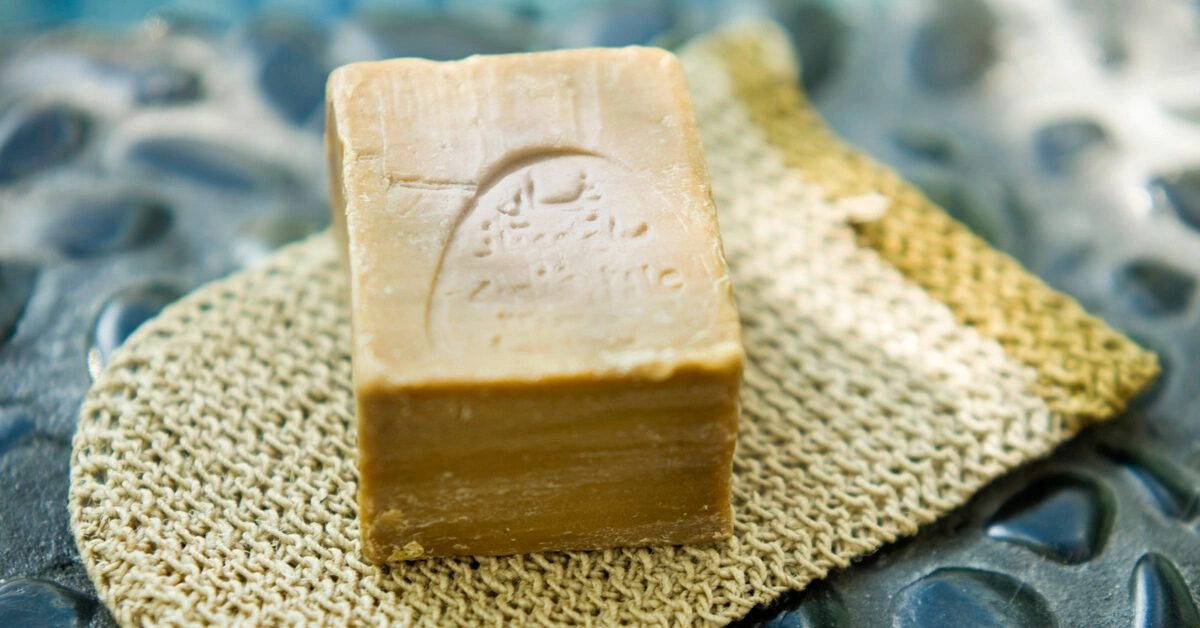
Tar soap is a traditional remedy believed to possess notable antiseptic properties. It’s commonly applied to help manage skin disorders such as psoriasis and eczema.
People sometimes turn to tar soap to relieve psoriasis-related complaints like itching, inflammation, and flaking. The two main varieties used for psoriasis are pine tar soap and coal tar soap.
Pine tar soap is derived from pine tree resins and carries a pronounced pine aroma. Some continue to use it for psoriasis, but clinicians who endorse tar-based treatments are more inclined to recommend coal tar soap.
Coal tar is a byproduct produced during coal processing. It contains thousands of compounds that can differ depending on how it’s produced.
Keep reading for more details about these approaches.

How effective is tar soap?
The aim of psoriasis therapy is to slow excessive skin cell turnover, decrease inflammation and plaque formation, and help lift scales.
Coal tar soap may help lessen scaling, itching, and inflammation. It has relatively few side effects, though its exact mechanism isn’t fully understood. According to the National Psoriasis Foundation, coal tar can slow skin cell proliferation and improve the skin’s appearance.
Coal tar products are sometimes used alongside other treatments, such as topical corticosteroids or ultraviolet B (UVB) phototherapy.
The Goeckerman regimen pairs coal tar with UV light. It’s regarded as effective for easing moderate to severe psoriasis, but it isn’t suitable for everyone. The regimen involves daily sessions lasting up to four weeks and can be somewhat messy.
Per the American Academy of Dermatology (AAD), coal tar formulations are among the options for treating psoriasis and atopic dermatitis. While generally considered safe for long-term use, they may not be appropriate for every patient.
Safety considerations for tar soap
Coal tar soap is typically tolerated well, but some people may experience adverse effects:
- skin irritation or redness
- rash
- increased sensitivity to sunlight
The AAD cautions to never apply coal tar products to the genital or rectal regions unless specifically directed by a dermatologist.
Besides being messy, coal tar products have a strong, often unpleasant odor and can stain light-colored hair, clothing, and bedding.
Whether topical coal tar is carcinogenic has been debated. Findings that linked occupational coal tar exposure to cancer raised concerns about whether topical use carried similar risks.
A 2010 study in the Journal of Investigative Dermatology helped address the controversy. The research did not find an increased cancer risk associated with coal tar soap use and suggested it could be a safe option for treating psoriasis and eczema.
Other treatments for psoriasis
Alongside tar soap, numerous over-the-counter options exist. Most OTC psoriasis products aim to hydrate and calm the skin, remove scales, and reduce itching. These include:
- aloe vera
- jojoba
- zinc pyrithione
- capsaicin
- colloidal oatmeal
- Epsom salts or Dead Sea salts
- anti-itch remedies such as: calamine, hydrocortisone, camphor, menthol
Occlusion — covering a topical medication with plastic wrap, cellophane, or another barrier — is sometimes employed to boost a product’s efficacy.
When to consult a doctor
Speak with a healthcare provider before using tar soap for psoriasis. They can advise on appropriate amounts and frequency.
If you experience signs of an allergic reaction while using tar soap, seek immediate medical attention. Symptoms can include:
- swelling
- difficulty breathing
- hives
- chest tightness
If the treated area turns discolored, becomes more itchy or irritated, or your condition worsens or fails to improve, contact your doctor promptly.
Bottom line
Tar soap may help relieve certain psoriasis symptoms and can be part of a combination approach to treatment.
However, it can cause skin irritation or allergic reactions, so it’s wise to discuss its use with your healthcare provider before adding it to your regimen.
Frequently Asked Questions
Yes. Coal tar soap has been shown to slow skin cell turnover and can reduce scaling, itching, and inflammation for many people with psoriasis when used appropriately.
Pine tar is used by some, but coal tar is more commonly recommended by clinicians for psoriasis because of stronger clinical evidence supporting its effectiveness.
Possible issues include skin irritation, rash, increased sun sensitivity, strong odor, and staining. Severe allergic reactions are rare but require immediate medical attention.
Topical coal tar’s cancer risk has been debated; current evidence has not shown a clear increased cancer risk from typical therapeutic use, though discussion continues and vigilance is advised.
Talk to a healthcare provider before starting tar soap. See a doctor promptly if you develop swelling, breathing difficulty, severe rash, worsening symptoms, or unusual discoloration of treated skin.



Related Posts

How to Remove and Prevent Moths in Your Home
Aug 16, 2026 • 28 min read
What’s the Best Antiseptic for Open Wounds? Iodine, Peroxides, and More
Aug 15, 2026 • 35 min read
What Are Skin Neoplasms?
Aug 2, 2026 • 14 min read
Why Is My Sweat Salty? The Science Behind Sweat
Aug 27, 2026 • 33 min read
6 Natural Treatments for Shingles
Sep 8, 2026 • 4 min read