
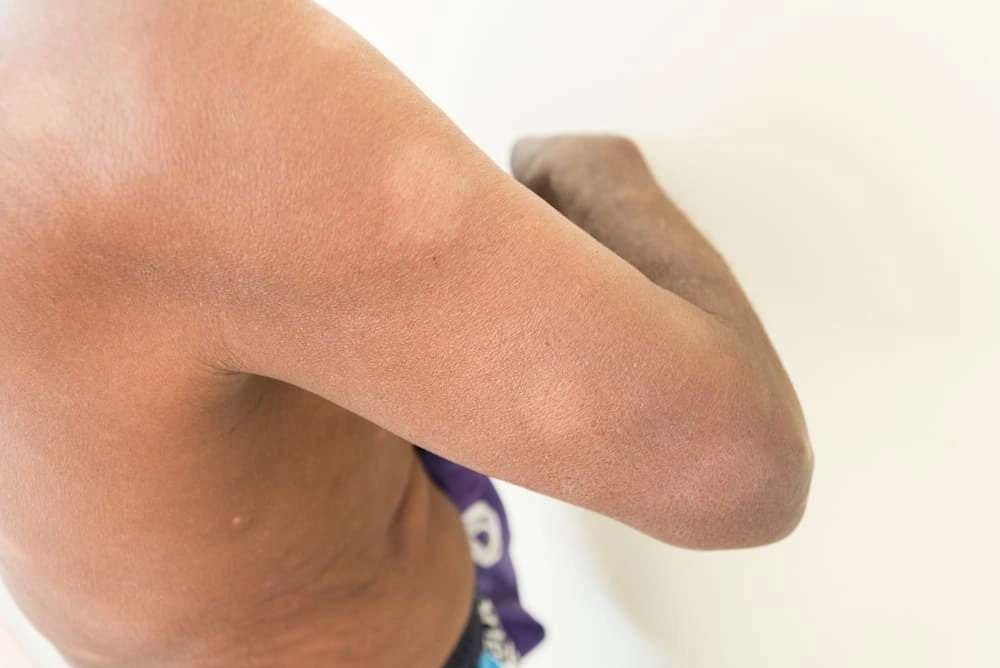
Spot That Numb Patch?
Have you ever found a white or pale spot on your skin that just… feels like it’s not yours anymore? The first time it happens, you might think, “Oh, maybe I burned myself and didn’t notice.” Or maybe it’s dry skin, or a little scab. I totally get it. It’s easy to shrug these things off—until they don’t go away.
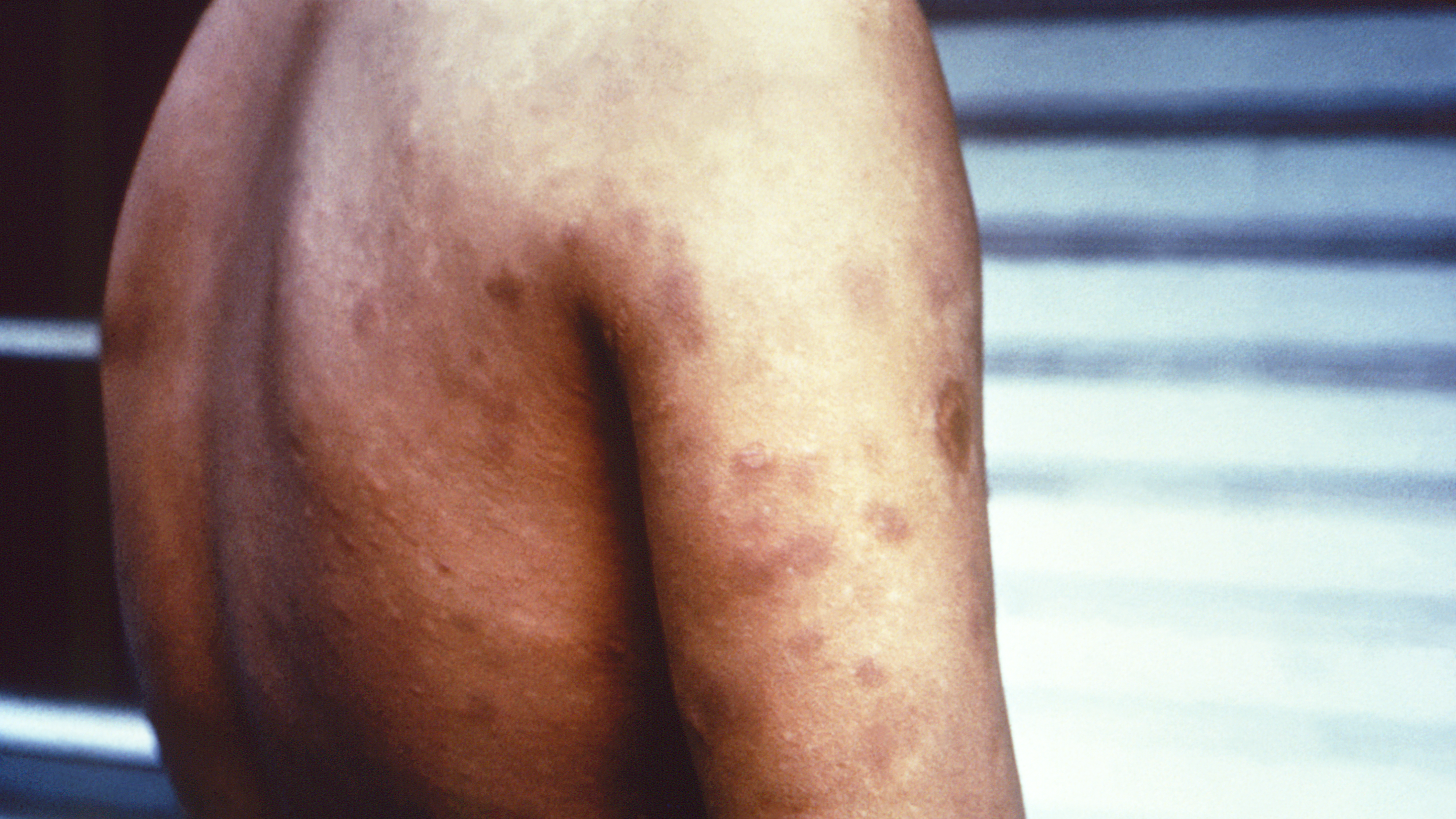
But what if you poke that spot, and… nothing? No sensation. Not itchy, not tingly, just weirdly blank. That’s the “senseless” feeling people talk about with early leprosy. It’s like your skin just ghosted you, which (believe it or not) isn’t something you want to ignore.
Ever Wonder Why It Feels Dead Inside?
This kind of numbness happens because the bacteria behind leprosy, called Mycobacterium leprae, loves to mess with your nerves, just under the skin. The spot might look shiny or a little lower than the rest of your skin, and it’s usually pale—sometimes you’ll miss it unless you’re really paying attention.
Your body is pretty great at letting you know when something’s off… except when it comes to spots like this. They rarely hurt. My aforementioned gym buddy? He only noticed because he’d nick his arm shaving and never felt it. For three months he thought it was “just old skin.”
White Spot Or Just A Rash? (Let’s Compare)
| Symptom | Leprosy White Spot | Common Rash (e.g., Eczema) |
|---|---|---|
| Sensation | No feeling (numb) | Itchy, maybe painful |
| Appearance | Pale, shiny, flat, patchy edge | Red, flaking, raised |
| Spread | Slow, spotty | Quicker, often symmetrical |
If you’re staring at your arm right now… you’re not alone. I do this every winter myself! But honestly, if the spot is numb and NOT itchy, that’s when your health kicks in and says, “Let’s check if senseless white spot on body is leprosy is something to consider.”
Could This Be Something Else?
Look, skin’s weird, right? There are a ton of random things that can make white spots show up. Vitiligo is super common—it’s when your skin loses some pigment, and it shows up as white patches. But here’s the kicker: those patches in vitiligo, they always feel normal to the touch.
What’s the Deal with Vitiligo Mix-Ups?
Leprosy and vitiligo share the pale-spot vibe but that’s basically where it ends. If a spot is senseless—that awkward, slightly freaky feeling where you could poke it with a needle and not flinch—well, that’s the time to not self-diagnose and play it cool. I’ve read stories of people (on health websites and forums) who spend years chasing the wrong creams for “vitiligo”, when it turns out it’s something else entirely.
There was a story on Practo about a man who’d been going from doctor to doctor for three years with spots and numb patches on his legs, but never quite got answers for the loss of sensation. It’s just so easy to brush off… until you realize, nerve stuff is not something you treat with a new moisturizer. (Been there, panicked on Google at 2am!)

What About Those Herbal “Cures”?
You see advertisements for “magical herbs” and “home treatments” all the time, especially for white spots. Most are actually for leucoderma—the scientific-ish word for vitiligo—and not leprosy. They may help with skin appearance, but they won’t kill the bacteria that causes those nerve-numbing leprosy spots. Only real antibiotics work here. So before you waste money or slather turmeric everywhere, check if you need to dig a little deeper. And if you want real details, here’s a simple run-down on senseless white spot on body is leprosy.
How Does It Sneak Up on You?
It all starts with something so small… a spot, lower than your skin surface, a little shiny, sometimes pinkish. In the beginning, you’ll think “nothing really,” as the World Health Organization describes it. It takes months—sometimes years—for it to grow, so you basically get used to it. I mean, life gets busy, right? Who has time to obsess over every weird skin thing (until it starts spreading…)?
Then, things grow. More spots show up. The numbness creeps—maybe just a patch on your finger at first. Later, your foot or leg. I once read about someone who kept burning their feet on hot water and couldn’t figure out why. It was only after they noticed other numb patches that the doctor sent them for a biopsy, just to rule out, you know, senseless white spot on body is leprosy.
From Tiny Spot to Bigger Worries?
The biggest issue with these “senseless” spots isn’t just how weird they feel—it’s what happens when you don’t feel pain. Imagine walking all day on a blister and not noticing. Or burning yourself—or cutting yourself—without realizing. That’s how people with untreated leprosy get injuries that don’t heal well. Eventually, things like muscle weakness or even small deformities can develop if there’s long-term nerve damage (according to the CDC).
Early Signs Checklist
- Pale, white, or reddish spot on your skin?
- No sensation when you touch it (like poking a careless balloon)?
- Patch is dry, maybe a little shiny?
- Not itchy, not painful, just “weird”?
- Not sweating, or hairs missing in the spot?
If you’re nodding yes, it’s time for a check-up. If you jump in for a diagnosis now, you’ll save yourself a heap of stress later (speaking from much personal WebMD-style doomscrolling myself).
Getting Help Without the Freak-Out
So, what should you do? Should you be racing to the ER? Nah, but you should make a date with a dermatologist. These skin-and-nerve wizards can spot the difference between harmless and “let’s fix this” fast. You don’t have to panic (even if your grandma’s friend’s uncle swears it’s a life sentence—it’s not).
Who’s the Right Doc to Call?
Start with your family doctor, who will probably suggest a dermatologist. They may do a simple skin test (sometimes called a slit-skin smear) or a tiny biopsy to check if the mysterious patch is caused by leprosy bacteria. The diagnosis is mostly visual, looking for a pale or reddish patch with definite loss of sensation—plus maybe an enlarged nerve nearby (details from WHO).
Remember the online story about someone taking meds for years with no relief? Sometimes, all it takes is seeing the right specialist. It’s not always about having rare stuff, but about finding the doctor who knows that numbness + white spot combo should ring alarm bells.

Treatment Timeline Breakdown
- Diagnosis (one doctor visit, maybe plus skin tests or biopsy)
- Start of antibiotics—MDT (multi-drug therapy). Usually daily pills for 6–12 months.
- Regular check-ins to make sure patches fade and sensation is coming back.
- Most people see improvements fast—the infection can be gone even if the numbness (if deep) lingers a little longer. Catch it early, though, and you can prevent long-term nerve trouble.
Bonus: you don’t have to isolate like in the old movies. Once on treatment, you’re not contagious and can hug, shake hands, and go about life normally (according to WebMD).
Your Next Step—Don’t Let It Linger
Let’s bring it home: those senseless white spot on body is leprosy type patches—the ones just a little too numb, too pale, too persistent—deserve a little attention. They aren’t something to freak out over, but they’re also not something to ignore. Think of it as your body tapping you gently on the shoulder, saying, “Hey, can we chat for a second?”
If it is leprosy, there’s absolutely no need for shame or panic. The world’s best experts agree—early treatment works wonders. Most folks who catch it early never see any major complications. Forget all those old horror stories. Modern antibiotics clear the infection, and life goes on.
You’re not alone if you’ve searched for answers or worried yourself silly about a simple spot. I’ve been there. The most important thing? Don’t wait. That “weird” numb patch doesn’t get bragging rights as a medical mystery. Reach out. Have that awkward conversation with your doctor. Look out for your loved ones, too—sometimes it’s their skin that needs a second glance.
Here’s your friendly nudge: Be a little curious, a little brave, and a whole lot kinder to yourself the next time your body does something unexpected. Health isn’t about having perfect skin, but about knowing when your body’s whispering for help. And if you’re still unsure? That’s what your health squad is for. Check senseless white spot on body is leprosy articles any time you want a deep dive—no shame, no judgment, just good info from people who care. Stay curious (and don’t be afraid to poke your skin every once in a while—your body, your rules).






















Leave a Reply
You must be logged in to post a comment.