
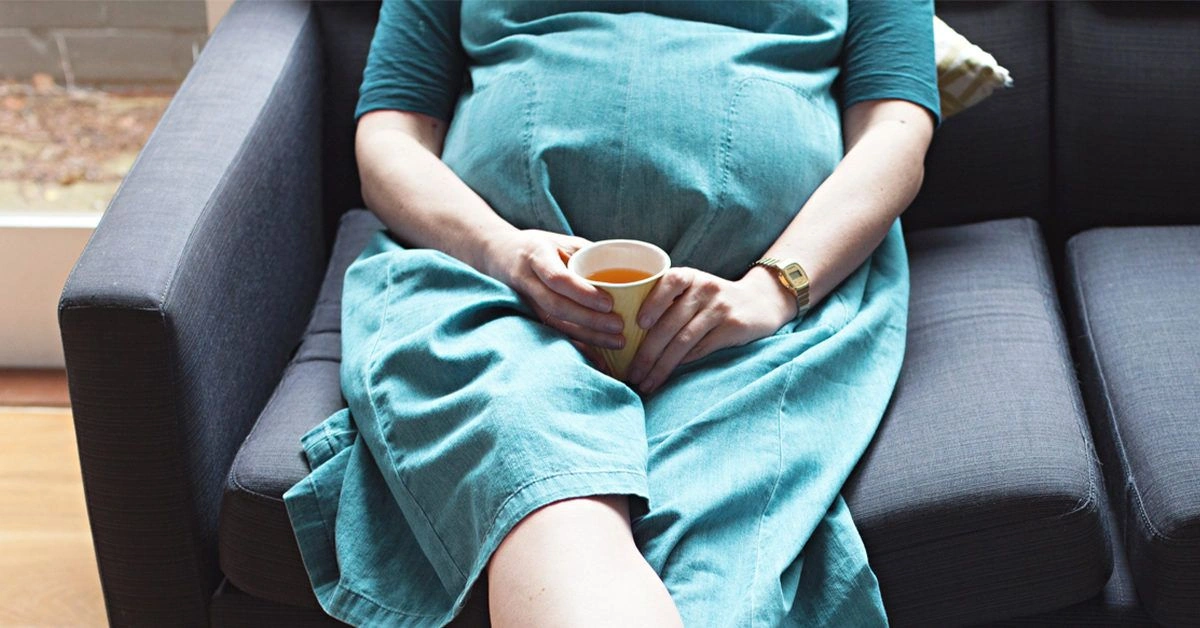
Not every tea is regarded as safe during pregnancy. You might choose to avoid many herbal infusions entirely. Meanwhile, caffeinated varieties such as black, green, white, matcha, and chai are typically viewed as acceptable in moderation.
Tea ranks among the globe’s most consumed beverages — and many pregnant individuals continue to enjoy it throughout gestation.
Some sip tea simply to relax or to help meet the increased fluid requirements of pregnancy. Others use it as a natural approach to ease pregnancy-related symptoms or as a tonic to prepare for labor in the final weeks of pregnancy (1).
Because tea is natural, many assume it’s harmless during pregnancy. In truth, some teas are better limited, and others are best avoided completely while pregnant.
This article reviews tea safety in pregnancy — which teas pregnant people can usually keep drinking, and which ones they should steer clear of.
Limit caffeinated teas
Black, green, white, matcha, chai, and oolong all come from the Camellia sinensis plant. They contain caffeine, a stimulant that should be restricted during pregnancy.
Each of these teas supplies roughly the following amount of caffeine per cup (240 mL) (2, 3, 4, 5, 6):
- matcha:60–80 mg
- oolong tea:38–58 mg
- black tea:47–53 mg
- chai:47–53 mg
- white tea: 25–50 mg
- green tea:29–49 mg
Caffeine crosses the placenta easily, and a fetus’s immature liver struggles to metabolize it. As a result, a baby may be more vulnerable to the effects of caffeine than an adult.
Studies indicate that excess maternal caffeine exposure may raise the risk of preterm birth, low birth weight, or certain birth defects. High caffeine consumption has also been linked to an increased chance of miscarriage or stillbirth (7, 8, 9).
These dangers appear small when pregnant individuals keep total caffeine intake at or below 300 mg per day (8).
Still, some people have genetic differences that make them more sensitive to caffeine’s harmful effects. Research suggests this subset may face a 2.4-fold higher miscarriage risk when consuming 100–300 mg of caffeine per day (8).
Caffeinated teas contain less caffeine than coffee and are generally considered acceptable during pregnancy, but intake should be limited so total daily caffeine doesn’t exceed recommended levels (10, 11).
Summary: Black, green, matcha, oolong, white, and chai teas contain caffeine, a stimulant to be limited in pregnancy. They’re usually safe, but pregnant people may benefit from restricting daily intake.
Certain herbal teas can carry risks
Herbal infusions are made from dried fruits, flowers, spices, or herbs and typically contain no caffeine. However, they may include other active compounds that could be unsafe during pregnancy and cause adverse effects.
Risk of miscarriage or early labor
Herbal teas that might raise the risk of miscarriage or induce preterm labor include (11, 12, 13, 14, 15):
- fennel
- fenugreek
- sage
- vervain
- borage
- pennyroyal
- licorice
- thyme
- motherwort
- lovage
- blue cohosh
- black cohosh
- frankincense (in large amounts)
- chamomile (in large amounts)
Increased menstrual bleeding
Herbs that may encourage or increase menstrual bleeding include (12, 16, 17):
- motherwort
- lovage
- frankincense
Birth defect concerns
Teas that have been associated with a greater risk of birth defects include (12):
- motherwort
- borage
Other adverse effects
In rare cases, eucalyptus tea has been reported to cause nausea, vomiting, or diarrhea. Additionally, one case report suggests frequent chamomile consumption during pregnancy could impair blood flow through a baby’s heart (1, 12).
Some herbal teas may also interact with medications. Pregnant people should inform their healthcare providers about any herbal teas they currently drink or plan to consume at any point during pregnancy (1).
Bear in mind that research on many herbal teas is limited; absence of evidence for harm isn’t proof of safety. Until more is known, exercising caution and avoiding teas not yet shown to be likely safe during pregnancy may be wise (18).
Summary: Certain herbal teas may be linked to stomach upset, heavier menstrual bleeding, miscarriage, birth defects, or preterm birth. Pregnant people may benefit from avoiding teas not yet demonstrated to be likely safe.
Tea contamination is possible
Teas aren’t tightly regulated, so they can become contaminated with unwanted substances like heavy metals (19, 20).
For example, one paper testing common black, green, white, and oolong teas found aluminum in 20% of samples. Even more concerning, 73% of samples contained lead levels considered unsafe during pregnancy (21).
Another study reported that women with the highest green and herbal tea intake during the first trimester had 6–14% higher blood lead concentrations than those who drank the least, though all levels remained within the normal range (20).
Because regulation is limited, herbal products can also contain ingredients not listed on the label. This raises the possibility of accidentally ingesting an herb contraindicated in pregnancy.
You can’t eliminate this risk entirely, but you may reduce it by purchasing teas from reputable brands and avoiding bulk bins, which can increase the chance of cross-contamination with herbs that might be unsuitable during pregnancy.
Summary: Tea production isn’t strictly regulated, so teas may be contaminated with heavy metals or unwanted herbs linked to adverse pregnancy outcomes.
Teas that may be acceptable during pregnancy
Most caffeinated teas are thought to be safe in pregnancy, provided total daily caffeine remains at or below 300 mg (8, 11).
Individuals especially sensitive to caffeine may prefer to aim for a 100 mg daily limit (8).
Evidence on herbal teas in pregnancy is sparse. Consequently, many clinicians recommend not consuming any herb in amounts larger than what’s encountered in food (1, 12, 18).
That said, a few studies suggest that teas containing the following ingredients may be acceptable during pregnancy:
- Raspberry leaf.Generally considered likely safe and thought to help prepare the uterus for birth and possibly shorten labor. Research indicates a modest reduction in the duration of the second stage of labor — roughly a 10-minute difference (11, 22).
- Peppermint.Regarded as likely safe and often used for gas, nausea, abdominal discomfort, or heartburn, though robust studies supporting these benefits are lacking (12).
- Ginger.One of the most investigated herbal remedies in pregnancy and considered possibly safe. Research suggests it can reduce nausea and vomiting; when taken in dried form, intake should not exceed 1 gram per day (1, 12).
- Lemon balm.Considered possibly safe and traditionally used for anxiety, irritability, and sleep issues, though pregnancy-specific safety data are limited (11).
Although these are generally seen as safe, raspberry leaf may stimulate uterine contractions and peppermint might increase menstrual flow. This has led to debate about their safety in the first trimester (12, 23).
For this reason, it may be prudent to avoid raspberry leaf and peppermint during the first 12 weeks of pregnancy.

Summary: Herbal teas that appear possibly or likely safe in pregnancy include raspberry leaf, peppermint, ginger, and lemon balm. It may be best to avoid raspberry leaf and peppermint during the first trimester.
The bottom line
Although tea is popular, not all varieties are safe during pregnancy.
Caffeinated teas such as black, green, white, matcha, and chai are usually considered acceptable, but their consumption should be monitored so total daily caffeine doesn’t become excessive.
Most herbal teas should be avoided. The only herbal infusions currently viewed as possibly or likely safe are raspberry leaf, peppermint, ginger, and lemon balm, with raspberry leaf and peppermint best avoided in the first trimester.
For specific symptoms like digestive bloating, you might also consider options like tea for bloating, but always discuss any herbal or medicinal teas with your healthcare provider before use during pregnancy.





















Leave a Reply
You must be logged in to post a comment.