
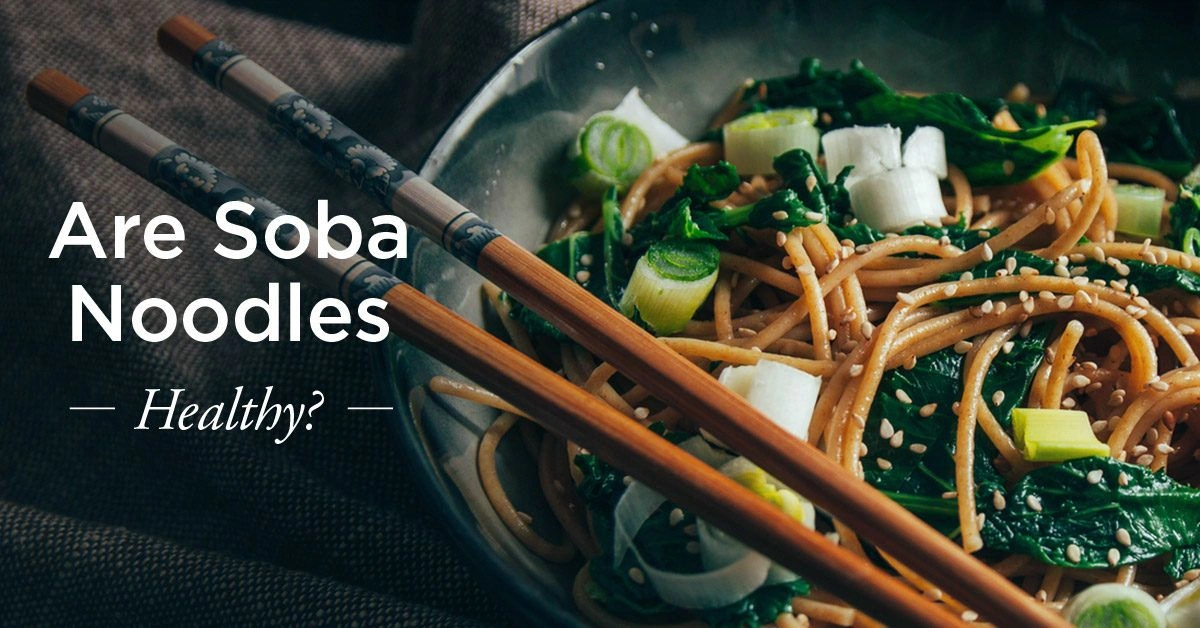
Step aside instant ramen—there’s a new noodle on the block. Soba noodles are not only more flavorful and adaptable, they also offer better nutritional benefits.
Once you learn about the nutrition facts for soba noodles, you’ll likely ditch that dense ramen brick and its salty, MSG-filled seasoning packet.
Here’s why you should consider grabbing soba noodles on your next grocery run.

What Are Soba Noodles?
Soba noodles are a staple in Japanese cooking. They resemble spaghetti in appearance. While not yet as widespread in the United States, their popularity is growing as people discover buckwheat’s uses beyond pancakes.
Traditional soba noodles are crafted from 100 percent buckwheat flour. Some commercial varieties blend in other flours like wheat or all-purpose flour.
Buckwheat is a pseudocereal rather than a true cereal grain. True cereal grains come from grass seeds, such as wheat. Pseudocereals originate from seeds of non-grass plants but resemble cereal grains and are used similarly.
Soba Noodle Nutrition
To maximize the nutritional benefits of soba, choose brands made purely from buckwheat. Buckwheat provides several health-promoting nutrients and properties, including:
1. Rich in Manganese
A cup of soba noodles supplies 0.4 mg of manganese, which is about 21 percent of the recommended daily intake. Manganese plays a role in bone health, carbohydrate metabolism, wound repair, and nervous system support.
Studies suggest manganese deficiency may be linked to conditions like osteoporosis, diabetes, and epilepsy. Soba also contains modest amounts of other minerals such as:
- zinc
- magnesium
- potassium
- phosphorus
- iron
2. Good Source of Thiamin
Thiamin (vitamin B1) is essential for energy production and healthy cell growth and function. It’s commonly depleted by alcohol consumption and metabolism. A deficiency in thiamin can lead to cardiovascular issues like an enlarged heart, muscle weakness, confusion, and memory impairment. A 2013 animal study indicated that low thiamin levels may be involved in Alzheimer’s disease development.
3. High in Protein
One cup of cooked soba noodles delivers about 6 grams of protein. Protein is vital for growth, maintenance, and repair of cells throughout the body. It helps build muscles—including the heart—supports hemoglobin production, and aids immune function.
4. Rich in Soluble Fiber
Soba noodles contain significant soluble fiber. Soluble fiber can help reduce abdominal fat. A 2009 study found participants who ate the most soluble fiber had lower amounts of visceral (belly) fat.
5. Supports Heart Health
Buckwheat may benefit cardiovascular health by helping to lower cholesterol and blood pressure. It also appears to have anti-inflammatory actions. Buckwheat’s flavonoids are believed to contribute to these effects—flavonoids are plant-derived compounds that help protect cells and support metabolic and heart function.
6. Aids Blood Sugar Control
A 2001 study reported that buckwheat-based foods elicited a lower glycemic response after meals compared with white wheat bread. This may be due to buckwheat’s lower carbohydrate and higher fiber content. Although a cup of soba noodles contains roughly 24 grams of carbohydrates, it’s fewer than many conventional pastas and noodles. The fiber content slows carbohydrate digestion, reducing the likelihood of blood sugar spikes.
7. Low in Fat
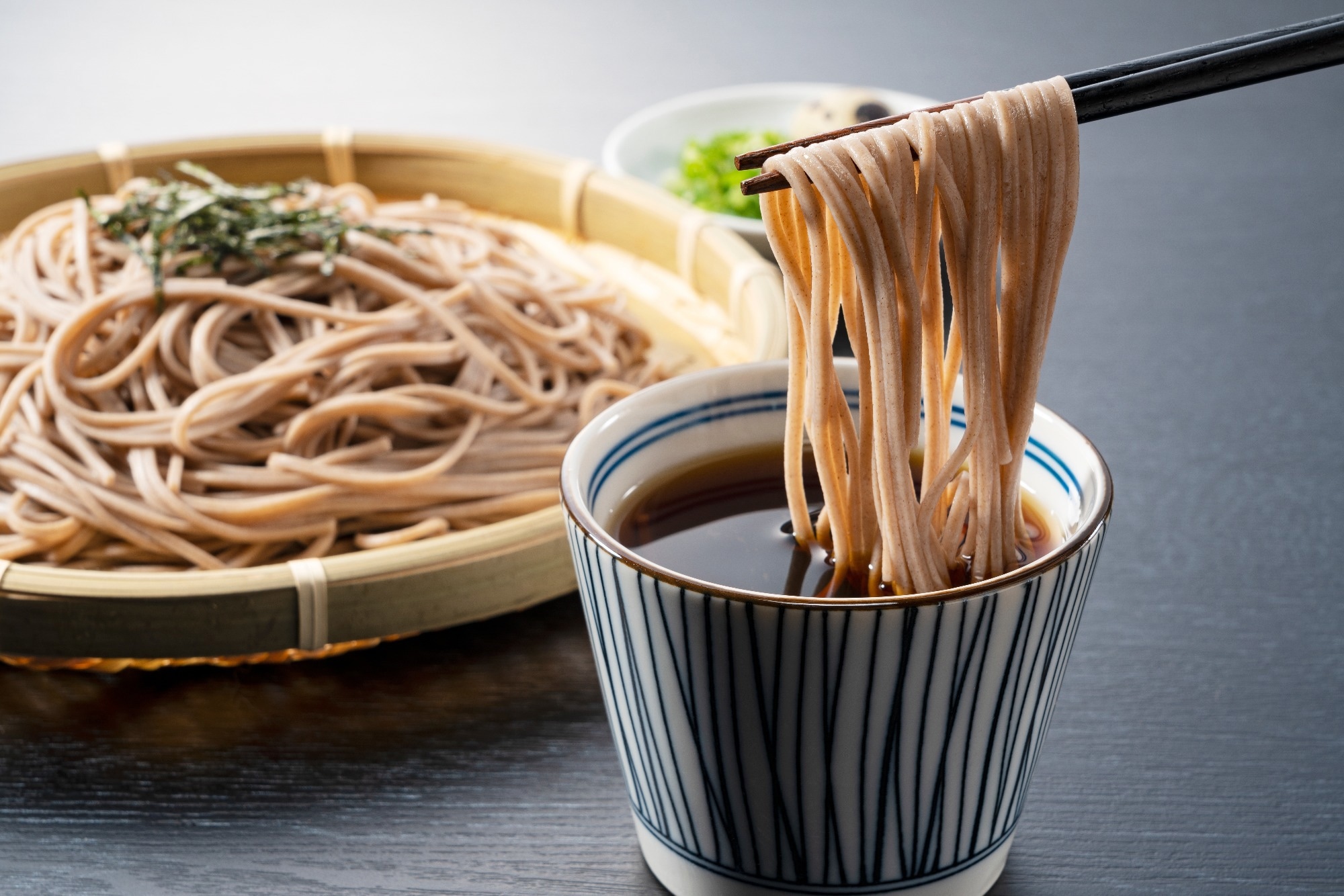
Soba noodles are an excellent choice if you’re watching fat intake. By themselves they contain virtually no fat. To keep fat low, serve them in a light broth and finish with fresh herbs.
8. Naturally Gluten-Free
Buckwheat itself is gluten-free, making soba an appealing substitute for wheat-based noodles and pasta. However, some soba products include other flours that contain gluten, so always check labels if you have celiac disease or gluten sensitivity.
9. Acts as a Prebiotic
A 2003 rat study suggested buckwheat might serve as a prebiotic. Prebiotics are indigestible fibers that nourish probiotics—the beneficial bacteria in your gut that help fend off harmful microorganisms.
How to Prepare Soba Noodles
Soba noodles can be enjoyed warm or chilled. They’re commonly paired with dipping sauces such as peanut or ginger sauces, or served in a flavorful broth.
To cook, boil soba noodles in water or broth, typically aiming for an al dente texture which takes around five minutes. After cooking, drain and rinse the noodles.
Try these recipes to easily add soba noodles to your meals:
- Green tea chicken and soba noodles: A tasty mix of green tea, chicken, shiitake mushrooms, and soba noodles. Ginger, soy sauce, and Sriracha round out the flavors. View the recipe.
- Nori rolls with shiitake and soba noodles: Nori (edible seaweed) wrapped around soba noodles, cabbage, and shiitake mushrooms creates a delicious combination. View the recipe.
- Sugar snap pea and carrot soba noodles: A vibrant dish with edamame, sugar snap peas, carrots, and soba noodles in a spicy honey-ginger dressing. View the recipe.
- Cold soba noodle salad: Brighten a plain packed lunch with this salad—soba noodles tossed in a dressing of honey, ginger, soy sauce, garlic, and chili paste. View the recipe.
- Soba noodles with lemony kale pesto: Homemade kale and lemon pesto elevates soba noodles to a new flavor level. View the recipe.
- Tofu soba noodles: Soba and tofu pair naturally—this version features noodles dressed with rice vinegar and brown sugar dressings and finished with crushed peanuts. View the recipe.
- Make your own soba noodles: Homemade soba is less daunting than it seems. The basic ingredients are buckwheat flour and water. If gluten isn’t a concern, adding white or wheat flour makes the dough easier to handle, though it will change the nutrition profile. View the recipe.
The Bottom Line
Whether served warm or chilled, soba noodles offer a tasty, nutritious alternative to conventional pasta and noodles. They provide a good source of:
- manganese
- fiber
- protein
- thiamin
Soba noodles make a smart addition to a healthy eating plan. Next time you’re reaching for a packet of ramen at the store, consider choosing 100 percent buckwheat soba noodles instead.























Leave a Reply
You must be logged in to post a comment.