
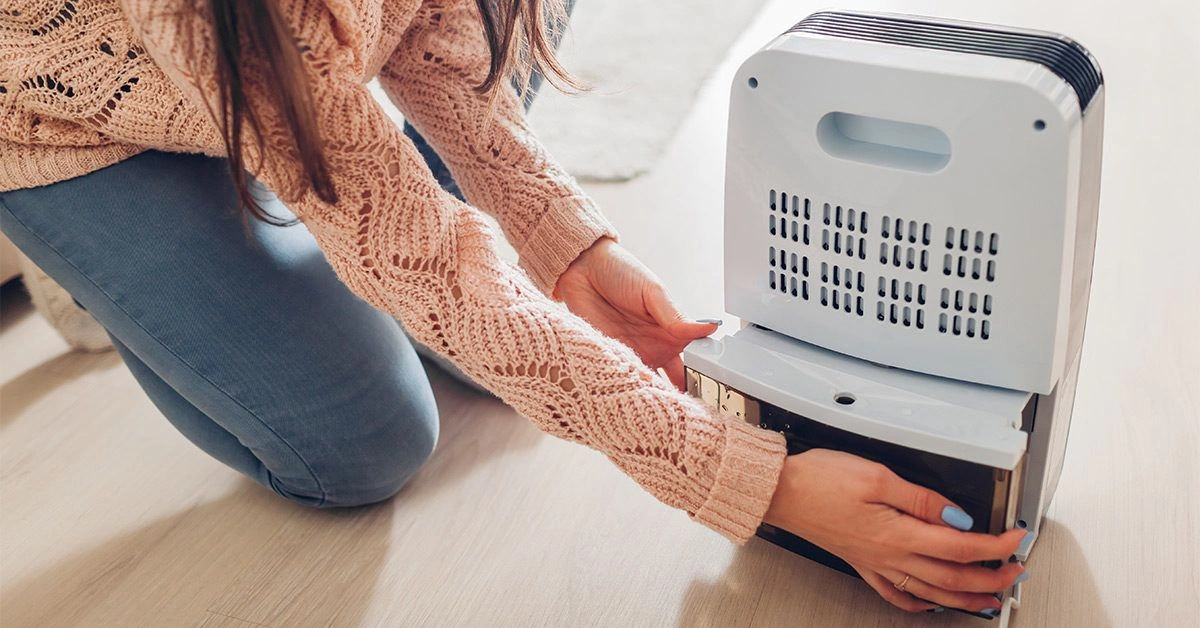
A dehumidifier can lower allergens and make breathing easier, but if the air becomes excessively dry it may aggravate conditions such as pneumonia. It can also lead to dry skin and hair issues, and may worsen a dry cough or nasal congestion.
:max_bytes(150000):strip_icc()/signs-you-need-a-dehumidifier-1908168-hero-6208667cd06d42618157006ff19d1c00.jpg)
A dehumidifier is a device designed to extract excess moisture from the air inside your residence.
If you or others in your household have asthma or allergies, a dehumidifier could help reduce symptoms and make breathing more comfortable.
This article will guide you in deciding whether investing in a dehumidifier is worthwhile for your living environment.
Dehumidifier uses and health benefits
You might recall the water cycle from elementary science: evaporation, condensation, and precipitation. What’s less obvious is that a version of this cycle is constantly happening in the air you breathe indoors.
“Humidity” describes the amount of water vapor present in the air. Dehumidifiers remove or reduce that water vapor.
Dehumidifiers reduce allergy triggers
Environmental allergens can cause symptoms such as:
- wheezing
- sneezing
- chest tightness
- itchiness
Typical allergy triggers include:
- mold
- dust mites
- pollen
- pet dander
Lowering indoor humidity helps keep these triggers under control.
Dust mites, for example, require a relative humidity around 65 percent to thrive and reproduce. That’s a level you can manage with a dehumidifier.
Reducing moisture also helps prevent mold growth.
Dehumidifiers may ease asthma symptoms
Moist air is heavier and can be harder to breathe, which is why humid environments are often problematic for people with asthma.
A dehumidifier can make breathing less taxing by reducing mugginess, leaving the air cooler and more pleasant.
While a 2013 review found limited evidence that dehumidifiers are an actual treatment for chronic asthma, there’s also no indication that trying one will cause harm.
Dehumidifiers help create a healthier indoor space
By cutting down on mold and dust, you also deter pests like silverfish, cockroaches, and spiders. Lower humidity can also be beneficial for those with COPD.
In naturally humid regions, a dehumidifier can make your home feel cooler and reduce reliance on air conditioning.
How a dehumidifier works
A dehumidifier draws warm, moist air into its coils using a fan. As the air passes over refrigerated coils, it cools and water condenses out, collecting inside the unit.
As condensation accumulates, individual droplets fall into a reservoir attached to the machine. Cooler, drier air is then expelled back into the room.
Your dehumidifier should be capable of lowering indoor relative humidity to about 30 to 50 percent. Many models include a hygrometer so you can monitor and set the humidity level you want.
Possible side effects of using a dehumidifier
A dehumidifier won’t have the same effect for everyone. There are some potential downsides to running one in your space.
Dehumidifiers dry the air. If you live in an already arid climate (for example, desert or high-altitude areas), or heat your home with gas or electric systems that dry the air, a dehumidifier may be unnecessary.
Conditions such as pneumonia can worsen if indoor air becomes too dry.
Your skin and hair may suffer in an overly dry home. People with eczema (atopic dermatitis) are often more likely to experience flare-ups when the air lacks moisture.
When using a dehumidifier, it’s wise to pay attention to staying hydrated.
If you already have a dry cough or a congested nose, operating a dehumidifier might make symptoms worse.
Signs you may need a dehumidifier
Dehumidifiers work best in places where moisture accumulates, such as basements. Consider a dehumidifier if:
- Someone in the household has long-lasting allergy symptoms every year.
- You recently moved and your allergies have become more frequent or severe.
- There’s a continual musty odor in a room you frequently use.
- Your home experiences water intrusion after heavy rain.
- You notice muggy air upon entering, where you can actually see moisture in the air.
- Someone in the home is allergic to dust mites.
- There’s an uptick in pests like spiders, cockroaches, moths, or silverfish.
- Your clothing smells damp or musty even after washing.
- You have persistent respiratory symptoms, such as coughing and a runny nose.
Where to buy a dehumidifier
You can purchase a dehumidifier at most home goods stores, hardware outlets, or appliance retailers. Department stores often carry them as well.
Before buying, consider:
- the tank capacity (how much water the unit collects before it needs emptying)
- the humidity range the unit can manage
You may also want to calculate the energy costs associated with running the appliance before you buy it.
Takeaway
Dehumidifiers offer clear health advantages, primarily by reducing allergens and irritants in damp parts of your home.
There’s some evidence that using a dehumidifier can make breathing easier for people with asthma.
Dehumidifiers are widely available and straightforward to purchase. Trying one in your home could improve overall comfort and air quality. For related concerns involving exposure to dampness and neurological effects, see mold and neurological symptoms.




















Leave a Reply
You must be logged in to post a comment.