
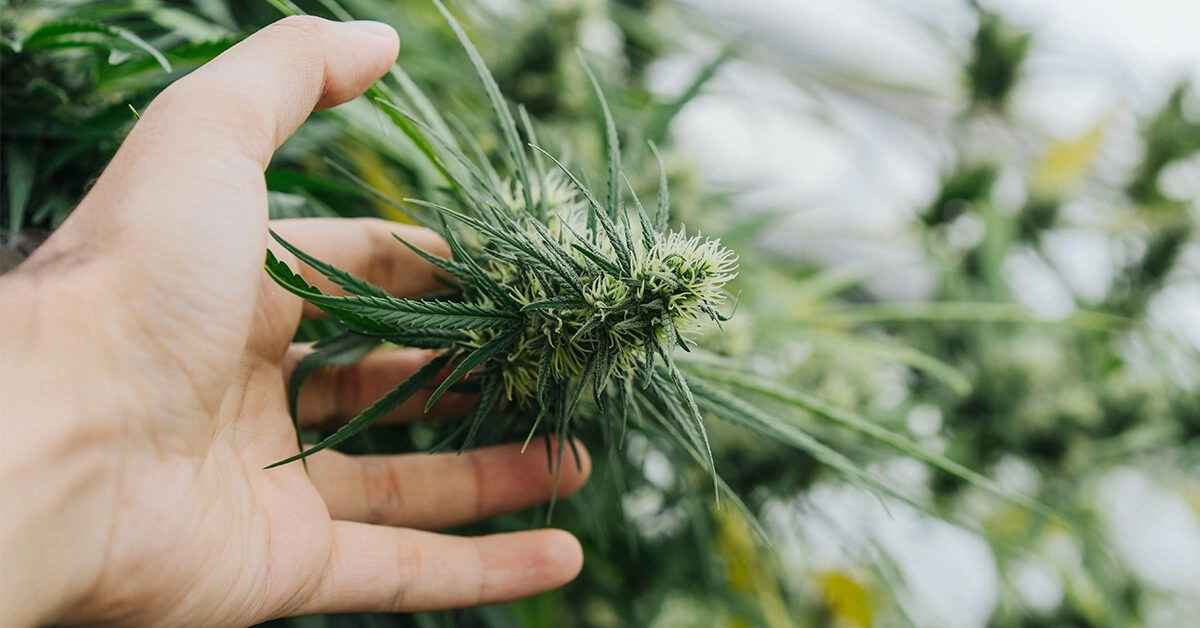
Cannabis sativa plants share many physical traits and produce flowers that often cause similar effects.
Picking a cannabis strain can be overwhelming. With hundreds of varieties on dispensary shelves, retailers are still refining how best to classify cultivars for consumers.
That’s why most menus divide strains — or cultivars, if you prefer the technical term — into three basic groups: sativa, indica, and hybrid.
Sativas are commonly linked with a more cerebral high than a bodily one, meaning they tend to stimulate the mind without leaving you feeling heavy or drowsy. These generalizations come from the unregulated market and aren’t always precise.
Even so, as researchers examine the role of cannabinoids and terpenes in shaping cannabis effects, the sativa-versus-indica framework can still be a useful starting point for choosing products.
Rather than thinking only in terms of sativa or indica, it can be more practical to consider sativa-like and indica-like strains.
Below is a closer look at typical effects tied to sativas and a list of strains worth considering.
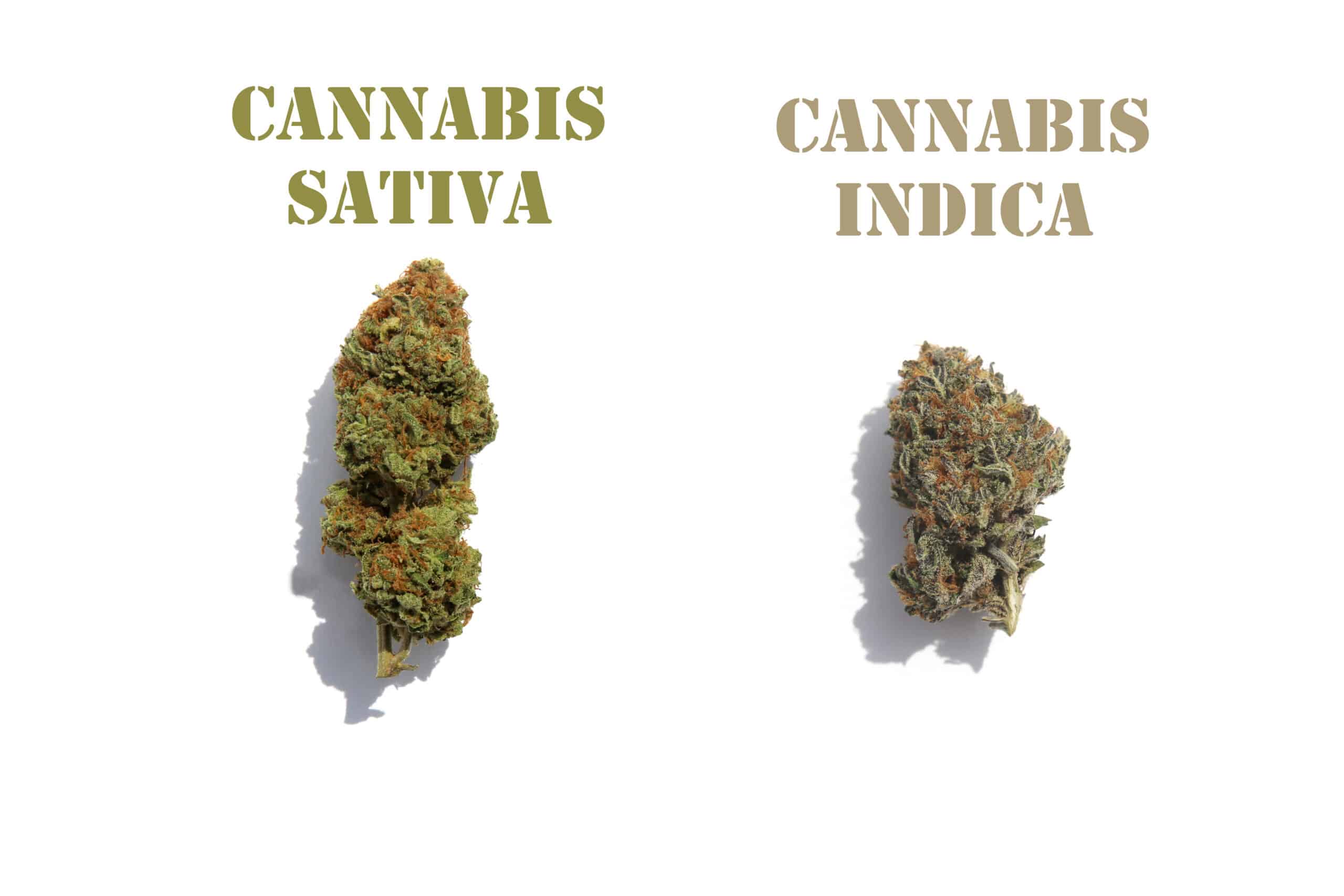
Effects commonly associated with sativa strains
Generally, cannabis sativa strains are associated with these effects:
- Energizing. This is a prized quality for daytime users or those who want to consume before activities or social events.
- Uplifting. Many users report mood elevation after using sativa-leaning strains.
- Heightened creativity. For some, a sativa product can help unblock creative thinking or spark new ideas.
- Mind-expanding. Beyond creativity, sativas often steer attention inward for reflection and exploration.
- Improved focus. Some users say sativa strains help calm a scattered mind and concentrate on tasks.
Because of these qualities, some people find sativa products helpful for symptoms such as:
- Depression. With energizing, mood-boosting, and creativity-enhancing effects, sativas may counteract lethargy and apathy.
- Anxiety. Likewise, some users report sativa strains ease anxiety through soothing and uplifting effects, and can interrupt repetitive or intrusive thoughts.
- ADHD. Due to their cerebral and focus-enhancing reputation, some people use sativas to help manage ADHD symptoms.
If you’re using cannabis for mental health, continue other prescribed treatments and remember that the effects of cannabis on mental health are still not well understood.
A quick note about strains
Before diving into specific cultivars, it’s worth noting that sativa effects are described in broad strokes. Not everyone will feel each of these effects.
Individuals respond differently to strains. Your biology and endocannabinoid system, plus your tolerance to cannabinoids, are unique.
Context and mindset also shape your experience:
- Are you with friends or strangers?
- Did something upsetting just happen?
- Is there an upcoming event you’re worried about?
Factors like these will influence how a strain affects you.
All of this means a high-THC sativa, for instance, might feel like an uplifting antidepressant to a seasoned consumer with high THC tolerance.
Conversely, the same strain might produce very different effects for someone with lower tolerance or who reacts differently to certain terpenes.
Also remember strains aren’t exact science and can vary between producers.
If you like a strain from one brand, another producer’s version of that strain may feel quite different.
How we choose strainsThe strains listed below were selected using Leafly’s strain explorer and user reviews. THC and CBD ranges reflect data reported by Leafly, WikiLeaf, and AllBud.
Strains for energy
These cultivars are usually recommended for daytime use when you want to be productive or need a motivational boost.
Sour Diesel
This cross of Chemdawg and Super Skunk remains popular for good reason. It often has higher THC levels, so experienced users frequently return to it for energizing effects that some find helpful for depression.
THC and CBD content:
- THC: 17 to 26 percent
- CBD:
Jack Herer
Named for the cannabis activist and author, Jack Herer is another widely favored cultivar.
It scores highly for energizing effects in reviews, with many users saying it assisted with depressive symptoms.
THC and CBD content:
- THC: 15 to 24 percent
- CBD:
Green Crack
The name may be provocative, but this strain is similar to those above. It’s common and known for its invigorating effects.
Like Jack Herer, numerous reviews mention relief from depressive feelings.
THC and CBD content:
- THC: 15 to 25 percent
- CBD:
Strains for creativity
Want to loosen up creatively or escape a rut? Try these picks.
Chocolope
Chocolope typically has more moderate THC than some of the stronger sativas listed, yielding slightly more mellow effects while still promoting creative thinking.
THC and CBD content:
- THC: 16 to 23 percent
- CBD:
Super Silver Haze
Super Silver Haze has a strong reputation — it won the High Times Cannabis Cup in 1997, 1998, and 1999. It’s beloved for sparking creativity while also offering a calm headspace.
THC and CBD content:
- THC: 18 to 23 percent
- CBD:
Durban Poison
This uplifting, pure sativa is a favorite for jump-starting creativity. It’s the opposite of sedating, with many users calling it one of the most energizing strains available.
THC and CBD content:
- THC: 17 to 26 percent
- CBD:
Strains for uplifting mood
Whether you’re feeling down or just want to elevate your spirits, these strains may help brighten your mood.
Strawberry Cough
Strawberry Cough is often associated with happiness and euphoria; it’s a sativa-dominant cultivar of unclear lineage.
THC and CBD content:
- THC: 17 to 23 percent
- CBD:
Harlequin GDP
This high-CBD option is worth trying if you’re new to cannabis or have previously had anxiety-provoking experiences with sativa products.
It tends to feel more relaxing than many sativas, and 43 percent of Leafly reviewers report feeling happy after using it.
THC and CBD content:
- THC: 10 to 11 percent
- CBD: 3 to 7 percent
Super Lemon Haze
Another Cannabis Cup champion, Super Lemon Haze is a cross of Lemon Skunk and Super Silver Haze.
More than half of Leafly reviewers report feelings of happiness or euphoria after using this strain.
THC and CBD content:
- THC: 18 to 25 percent
- CBD:
Strains for focus
If improved concentration is your goal, consider these cultivars.
Lucid Blue
A cross of Blue Dream and Grateful Breath, Lucid Blue is recommended for focus and concentration — if you can track it down, since it’s less common than some others.
THC and CBD content:
- THC: 16 to 28 percent
- CBD: 0 to 4 percent
Sour Breath
Born from Sour Diesel and Lamb’s Bread, Sour Breath is notable for its pungent aroma. Users praise its ability to boost concentration, and its relatively lower THC makes it a reasonable option for novices.
THC and CBD content:
- THC: 15 to 17 percent
- CBD:
Red Congolese
Another potent sativa, Red Congolese has grown in popularity thanks to a distinctive cheesy, fruity flavor. Many users report clearheaded focus paired with mild physical relaxation.
THC and CBD content:
- THC: 18 to 23 percent
- CBD:
Potential side effects to consider
Cannabis can help manage certain symptoms or create a desired mood, but it can also cause adverse effects.
Because responses vary, it’s difficult to predict which side effects an individual will experience.
Depending on the product and your tolerance, cannabis may cause:
- anxiety or paranoia
- insomnia
- drowsiness
- increased appetite
- dry mouth
- dry eyes
- dizziness
- rapid heartbeat
- slower reaction time
- coordination difficulties
If you’re inexperienced with cannabis, start low and go slow with a lower-THC option, taking only a small amount initially.
If the effects become overwhelming, there are strategies to help reduce intensity.
The bottom line
While sativas are generally described as energizing, uplifting, and creativity-promoting, remember other elements—like cannabinoids, terpenes, and individual context—can alter how any strain affects you.
When trying a new cultivar, begin with a very small dose to gauge its effects before gradually increasing.
Also be aware that states have their own laws governing allowable CBD and THC levels. Check local regulations and be mindful of laws in other states when traveling with cannabis. For those preferring more relaxing varieties, see our guide to indica strains.


















Leave a Reply
You must be logged in to post a comment.