
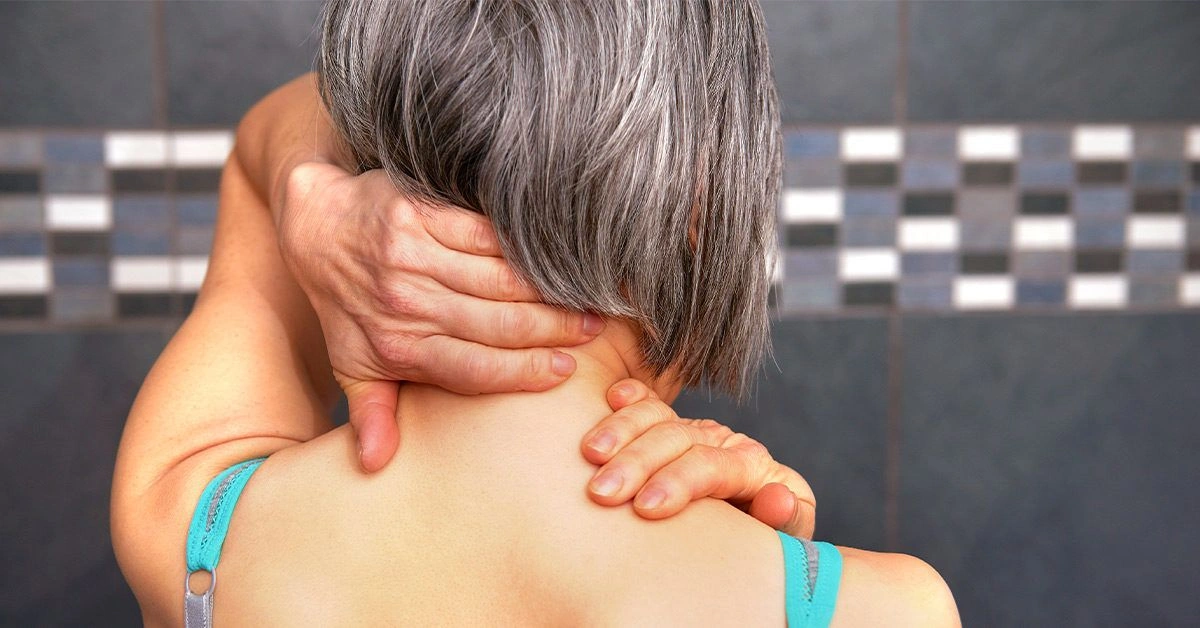
You can apply self-massage approaches to address discomfort in the head, neck, or feet. A tennis ball, foam roller, or simply your hands can be the initial step toward easing pain.
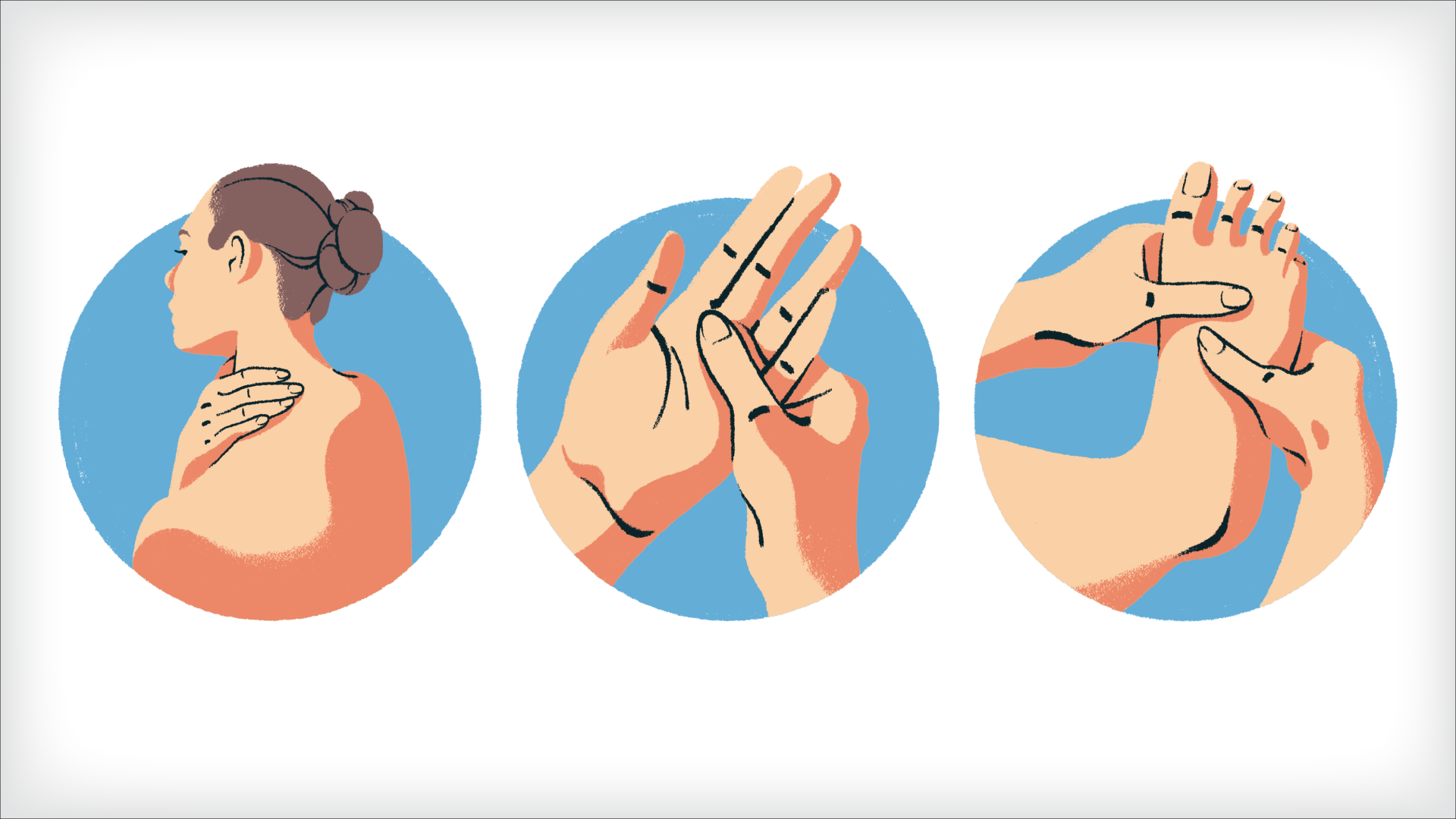
If you’re feeling tight or achy, massage techniques may help you feel more comfortable. They provide numerous physical and mental advantages, such as pain reduction and relaxation.
Fortunately, you don’t always have to visit a massage practitioner to enjoy the benefits. For some problems or just for relaxation, a self-massage can be effective as well.
If you want to try self-massage for pain relief, below are some of the safest and most effective techniques to practice at home.
What are self-massage techniques?
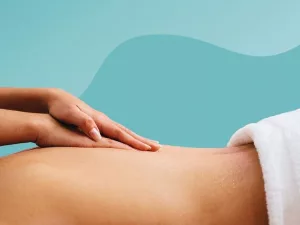
“Self-massage involves using your hands, tools, or everyday objects to work on sore muscles and adhesions instead of seeing a licensed massage therapist or bodywork professional,” says Elliot Ledley, a massage therapist in New York City.
In a self-massage, you manipulate your own muscles using hands or devices. This typically includes kneading the skin and applying pressure to specific points.
Learning a few self-massage methods can be a helpful way to reduce stress and relieve pain caused by poor posture or some chronic issues.
To begin, try one of the common techniques outlined below.
Using your hands to massage the head, neck, or feet
Using your hands is an excellent method for a self neck massage, self foot massage, or self head massage. These spots are easy to reach and generally don’t require excessive force, making them well-suited to hand massage.
Using a foam roller to massage the legs, back and glutes
A foam roller can help ease muscle discomfort in the:
- calves
- hamstrings
- thighs
- glutes
- lower back
- iliotibial (IT) band

Place the roller on the floor and position your body over it. Then, shift your body back and forth across the roller.
Using a tennis ball to massage the shoulders, back, and pectoral muscles
A tennis ball or golf ball works well for reaching tighter muscle areas like the shoulders, mid-back, or chest muscles. Use a wall or the floor and roll your body over the ball.
Exercise extra caution with a golf ball; use very light pressure because it’s hard and small.
Using specially designed self-massage tools
There are numerous other self-massage devices crafted to target particular muscle groups more precisely. Examples include:
- neck and shoulder massagers
- massage guns
- cold or cryotherapy rollers
- back massagers
- heated massagers
What are the benefits of self-massage?
Self-massage is an easy, convenient way to enjoy the advantages of massage therapy from home.
Like professional massage, self-massage may help relieve:
- stress
- anxiety
- headaches
- digestive complaints
- muscle strain
- muscle tension
- pain
When used as part of a broader care plan, self-massage may also assist in managing chronic conditions such as fibromyalgia or arthritis, though it should not replace standard medical care.
Also, if you get professional massages, self-massage can help extend the benefits and provide relief between appointments.
Advantages of self-massage compared with a massage therapist
Although self-massage can effectively reduce muscle tightness, many people feel it doesn’t fully match the experience of a professional massage.
This is because when you massage yourself you must engage some muscles while trying to relax others; during a professional session, your whole body can settle into relaxation.
Still, self-massage does have perks over professional treatment, including:
- Self-massage is cheaper. It’s essentially free. While tools are available for purchase, you can perform self-massage with just your hands.
- You understand your own body. Even though therapists are trained, you often know your own aches best. With self-massage, you can zero in on the exact spots that bother you.
- Self-massage stimulates and refreshes the body. Rubbing muscles helps boost blood flow and circulation.
- Professional massages may not offer lasting relief. A therapist can ease tension for several days, but many people find discomfort returns after a week or two. Regular weekly sessions aren’t practical for everyone. Learning self-massage techniques can help manage tension between professional treatments.
The ideal approach to minimize bodily tension is a combination of self-massage and professional massage therapy.
“As a massage therapist, I recommend self-massage and stretching between appointments,” says Ledley. “Being able to safely stretch and massage yourself can prevent pain and discomfort.”
What kinds of pain can self-massage help?
Self-massage may reduce mild pain in areas such as the:
- head
- neck
- shoulders
- abdomen
- upper and lower back
- glutes
- hips

If your discomfort stems from a swollen muscle, you might also experience nerve pain when the muscle presses on a nerve. By relieving the muscle pain with self-massage, you could also reduce nerve-related symptoms.
Below are specific self-massage methods for common pains.
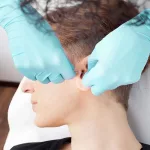
1. Self-massage for neck pain
Neck pain commonly arises from overuse and poor posture — from activities like leaning over a laptop, staring down at a phone, or reading without neck support.
If your neck is stiff and sore, this therapeutic self-massage technique may help, and it can also target knots.
Steps to follow
- Drop your shoulders away from your ears. Keep your neck and back straight.
- Find the tender spots on your neck. Press firmly with your fingers.
- Move your fingers in circular motions; then reverse the direction.
- Continue for 3 to 5 minutes.
2. Self-massage for headache pain and tension
When you have a headache, self-massage can relieve tightness and promote relaxation, especially if stress is the cause.
Try this simple head massage approach.
Steps to follow
- Lower your shoulders away from your ears. Keep your neck and back aligned.
- Find the base of your skull. Place the index and middle fingers of each hand in the center so the fingertips touch.
- Apply light pressure and slide your fingers outward or downward in the direction that feels best.
- Make small circular motions, concentrating on tense areas and the regions around them.
You can also view a demonstration on YouTube.
Massaging your temples, neck, and shoulders can be beneficial as well.
3. Self-massage for constipation relief
Constipation can cause abdominal discomfort and cramping. While laxatives are an option, an abdominal self-massage may also help.
This massage can encourage bowel movements and reduce bloating, cramps, and abdominal tightness.
Follow these steps to perform an abdominal self-massage.
Steps to follow
- Lie on your back. Place your hands, palms down, on the right side of your lower abdomen near the pelvic bone.
- Gently massage in circular motions, moving upward toward your ribs.
- Continue across your abdomen to the left rib area.
- Move down the left side of your abdomen toward the pelvic bone.
- Massage around your belly button for 2 to 3 minutes in circular motions.
Increasing fluid intake, eating more fiber, and regular exercise can also alleviate constipation.
4. Self-massage for back pain
Back pain is a very common complaint with many potential causes, including:
- muscle strains or spasms
- nerve irritation
- disc problems
- structural abnormalities
Mild exercise, like walking, yoga, or targeted stretches, may reduce back pain. Over-the-counter analgesics and using heat or cold packs can help, too. Massage, including self-massage, may offer additional relief.
Try the following two techniques for back discomfort:
Lower back self-massage
This lower-back self-massage is effective and requires no equipment.
Steps to follow
- Sit on the floor with legs crossed and your back straight.
- Place your thumbs on either side of your sacrum, the flat triangular bone at the base of the spine.
- Make small circular motions with your thumbs, moving up and down the sacrum.
- Apply pressure to any tight spots, pause, then release.
- Continue as needed, and remember to breathe deeply.
You can also watch this technique on YouTube.
Alternatively, perform this massage while seated in a chair. Make sure your feet are planted and you sit upright.
Tennis ball self-massage
Lying on a tennis ball can also soothe back tension. The localized pressure from the ball helps ease tight spots.
Steps to follow
- Lie on your back with knees bent.
- Position the tennis ball under the tense area in your back and hold for 20 to 30 seconds.
- To increase pressure, gently twist your body to lean on the ball. Crossing one ankle over the opposite knee can also intensify pressure.
See a demonstration on YouTube.
When finished, roll away from the ball before getting up. Rolling onto the ball could aggravate pain.
5. Self-massage for foot pain
Foot soreness can result from uncomfortable shoes, overuse, or conditions such as arthritis and tendinitis.
A few straightforward home techniques can help relieve that tension.
“For foot self-massage, nothing beats rolling a ball on the floor and guiding your foot over it,” says Ledley. “Just roll it and apply gentle pressure to tender spots — it shouldn’t be painful.”
Self foot massage with a ball
This ball-based foot massage targets the heel, arches, and ball of the foot.
Steps to follow
- Place a tennis or golf ball on the floor.
- Balancing on one foot or sitting, set the other foot on the ball.
- Roll the foot back and forth across the ball, adding more weight if it feels good.
- Continue for 3–5 minutes.
Self foot massage with your hands
You can also use your hands to massage your feet.
Steps to follow
- Hold your foot in your hands.
- Use your thumbs to make circular motions around the heel. Repeat 3–5 times.
- Stroke in a straight line from the heel to the ball of the foot to ease arch discomfort. Repeat 3–5 times.
- Move your thumbs from the center of the ball outward toward the edges. Repeat 3–5 times.
Safety tips
Self-massage is suitable for mild pain. If your pain is severe or persistent, consult a healthcare professional before attempting self-massage.
If you don’t know the source of your pain, self-massage could worsen your symptoms.
Additionally, self-massage and other massage types may be unsafe for some individuals. Use caution or seek medical advice first if you have:
- fractures
- burns
- healing wounds
- bleeding disorders
- are taking blood-thinning medications
- deep vein thrombosis
- severe osteoporosis
- severe thrombocytopenia
- cancer
Pay attention to how you feel during and after the massage. If pain intensifies or doesn’t improve, self-massage may not be appropriate.
The bottom line
For mild pain, self-massage can help alleviate symptoms. It’s an accessible, straightforward method to reduce tension and discomfort and can also serve as a preventive self-care routine.
For optimal results, treat your body gently and monitor your symptoms.
Seek medical care if pain worsens, persists, or if new symptoms appear. A healthcare professional can identify the cause of your pain and recommend the best treatment for your situation.












Leave a Reply
You must be logged in to post a comment.