
Overview
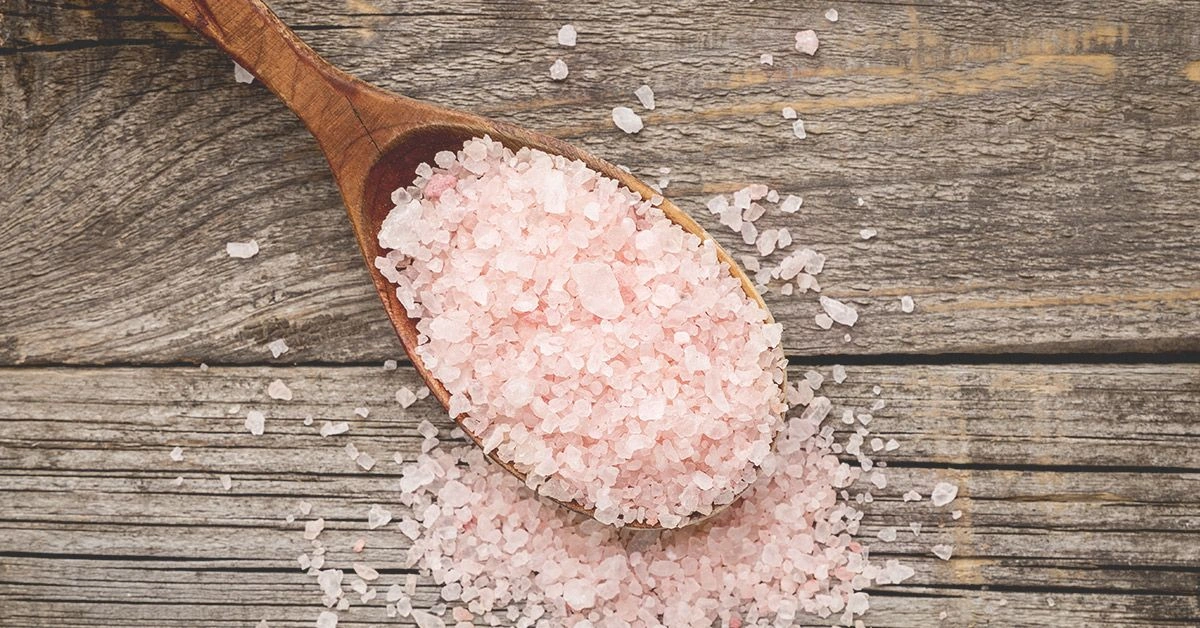
Himalayan salt is a variety of sea salt extracted from deposits in the foothills of the Himalaya, mainly located in Pakistan. These salts originated from ancient seas about 250 million years ago, during the period when the Himalayas were forming.
Because the salt layers were buried beneath lava, ice, and snow for millennia, Himalayan salt is largely free from many contemporary contaminants.
Today, Himalayan salt is mined for various uses, including culinary salt, decorative lamps, beauty products, and other items.
The salt is available in several hues, such as white, pink, and orange. Its coloration depends on the concentration of trace minerals present, including potassium, iron, calcium, and magnesium.
Numerous health assertions surround Himalayan salt. Sellers and supporters sometimes claim it contains 84 minerals, implying it’s superior to other salts.
In reality, Himalayan salt closely resembles regular table salt chemically. Both are roughly 98 percent sodium chloride. The remaining 2 percent comprises minute quantities of various minerals, some of which may have health-related effects.
Himalayan salt is commonly used in bath preparations. Mineral baths of all kinds have a long history of use for therapeutic relief for multiple conditions.
Himalayan salt bath benefits
There is no conclusive scientific proof that Himalayan salt baths are superior to other mineral baths.
Nevertheless, mineral soaks, including those with Himalayan salt, may offer several potential benefits:
Promotes relaxation and calm
Any warm bath can be a calming ritual. One study found that a 10-minute soak in warm water can lessen fatigue, stress, and pain while improving feelings of wellbeing and emotional health.
Proponents suggest Himalayan salt can release negative ions into the air, producing a calming sensation similar to being on a saltwater beach.
While this claim lacks firm evidence, anecdotal reports indicate many people find mineral soaks, including Himalayan salt baths, comforting and restful. Himalayan salt lamps are sometimes used for a similar effect.

Provides magnesium
Magnesium is essential for health. It supports muscle contraction and relaxation, helps regulate the nervous system, and assists in converting food into energy. Nearly every bodily system needs magnesium to function properly.
Himalayan salt contains trace magnesium, but it’s not established that bath exposure provides sufficient magnesium for health benefits.
However, a scientific review indicated magnesium might be absorbed through the skin into the lymphatic system.
Another small study found topical application of a magnesium chloride solution could reduce pain in people with fibromyalgia.
May help eczema, acne, and psoriasis
Salt has antimicrobial qualities, which could make it useful for treating acne.
A Himalayan salt soak might be an effective approach for acne in areas that are hard to reach, like the back or shoulders.
Mineral baths have demonstrated benefits for individuals with psoriasis or eczema, often reducing scaling, redness, and irritation.
The National Eczema Association notes that adding salt to bathwater can lessen the stinging sensation water may cause during severe flare-ups. The magnesium in Himalayan salt could also help lower skin inflammation.
Relieves insect bites
There are many folk remedies for bug bites. Supporters of Himalayan salt claim that soaking in warm, salted water can ease itching and decrease swelling.
Claims about weight loss and other anecdotal uses
There is no evidence that Himalayan salt baths promote weight loss.
Despite various assertions, there’s also no evidence that Himalayan salt soaks can treat:
- insomnia
- poor circulation
- respiratory conditions
- bloating
Himalayan salt bath vs. Epsom salt bath
Epsom salt is magnesium sulfate. Unlike Himalayan salt, it does not contain sodium.
Fans of Epsom salt baths believe they can ease muscle soreness, itching, and sunburn.
Because Epsom salt contains more magnesium than Himalayan salt, proponents argue it may be a better option for increasing magnesium exposure through baths.
Either type of soak can offer a relaxing experience.
After any mineral bath, rinse off. Mineral residues can remain on the skin and may cause dryness or itchiness.
Himalayan salt bath side effects
Himalayan salt baths are generally considered safe.
However, if your skin becomes irritated or excessively itchy, rinse off and avoid repeating the bath.
Where to buy Himalayan salt
You can purchase Himalayan salt at specialty retailers, health stores, and online.

How to take a Himalayan pink salt bath
A soak in a Himalayan pink salt bath may not cure health problems, but it is likely to be relaxing.
Follow these steps:
- Rinse in the shower first to remove dirt, oils, and cosmetic products from your skin.
- Fill the tub with very warm but not scalding water.
- Add Himalayan salt according to package directions—typically a handful or two—and allow it to dissolve.
- Salt baths can feel dehydrating to some people. Keep a glass of cool water nearby in case you feel thirsty.
- Soak for 10 to 30 minutes. Rinse off and pat dry.
- Apply a moisturizer afterward.
For added comfort, you can include a calming essential oil such as lavender or rose.
Do not pour essential oil directly into the tub. Mix 3 to 10 drops of essential oil with a carrier oil like almond oil, then add that blend to the water while stirring.
Avoid essential oils known to irritate skin or mucous membranes, for example cinnamon, wintergreen, or clove.
Takeaway
Himalayan salt baths lack strong scientific backing for health claims.
Still, mineral soaks can be soothing to the skin and provide relaxation. There is minimal downside to trying Himalayan salt in your bath routine.





















Leave a Reply
You must be logged in to post a comment.