

A whole-body detox usually refers to a specific eating plan intended to clear harmful substances from your system. In reality, your body is already well-equipped to rid itself of many of these compounds without special diets or supplements.
“Toxin” is a broad label that often covers air and water pollutants, man-made chemicals, heavy metals, and highly processed foods — all of which can negatively influence health.
Numerous cleanses and supplement regimens promise to “detox” the body, yet most lack solid scientific backing. The human body carries out detoxification naturally and typically doesn’t require costly products or restrictive regimens to remove unwanted substances.
Below you’ll find common myths about detox programs, an outline of how the body actually handles toxins, and six practical ways to bolster your natural detox systems, including foods to favor and avoid and daily habits that help.
Common myths about detox programs
Typical detox plans often include items such as:
- laxatives
- diuretics
- vitamin preparations
- mineral supplements
- herbal teas
- foods marketed as cleansing agents
In detox marketing, the word “toxin” is usually vague. It tends to encompass pollutants, synthetic compounds, heavy metals, and processed foods — all potential detriments to health.
Yet most popular cleanse plans fail to specify which exact toxins they target or explain the biological mechanism for removal.
In fact, there’s no solid evidence that these diets actually remove toxins or produce long-term weight-loss benefits.
Your body has an intricate detox network involving the liver, kidneys, digestive tract, skin, and lungs.
However, these organs need to be functioning well to effectively filter and expel unwanted compounds.
So while detox diets don’t perform any tasks your body can’t already manage, you can still support and optimize your own natural detox pathways.
Cut back on alcohol
Heavy alcohol use can markedly impair liver function by promoting fat accumulation, inflammation, and scarring.
When the liver is compromised, its ability to carry out vital duties — including clearing waste and harmful substances — is reduced.
Reducing alcohol intake, or quitting altogether, is among the most effective steps to maintain your body’s detox capabilities.
Begin by swapping one alcoholic beverage for a nonalcoholic alternative.
Prioritize good-quality sleep
Consistently getting restorative sleep each night is essential for overall health and for supporting the body’s innate detox processes.
Sleep enables the brain to reorganize, recharge, and clear metabolic waste products that build up during waking hours.
Poor or insufficient sleep is linked to both short- and long-term health issues, including:
- increased stress
- anxiety
- elevated blood pressure
- cardiovascular disease
- type 2 diabetes
- obesity
The Centers for Disease Control and Prevention (CDC) recommends at least seven hours of solid sleep nightly.
If sleep is a struggle, try consistent bed and wake times and cut down on screen exposure before bedtime.
Stay well-hydrated
Water does far more than relieve thirst. It helps to:
- maintain body temperature
- keep joints lubricated
- support digestion and nutrient uptake
- assist in eliminating waste products from the body
Cells are constantly renewing and metabolizing nutrients to produce energy.
Those processes generate wastes like urea and carbon dioxide, which can be harmful if they accumulate in the bloodstream.
Water carries these byproducts so they can be expelled through urine, breath, or sweat, making adequate hydration important for natural detoxification.
Try having a glass with each meal and keep a water bottle handy to sip between meals.
Cut down on sugar and processed items
Sugar and heavily processed foods are often implicated in many contemporary public health problems.
Studies associate high intake of sugary and ultra-processed foods with obesity and chronic illnesses such as:
- heart disease
- cancer
- diabetes
These conditions impair organs like the liver and kidneys, which are central to the body’s detox functions.
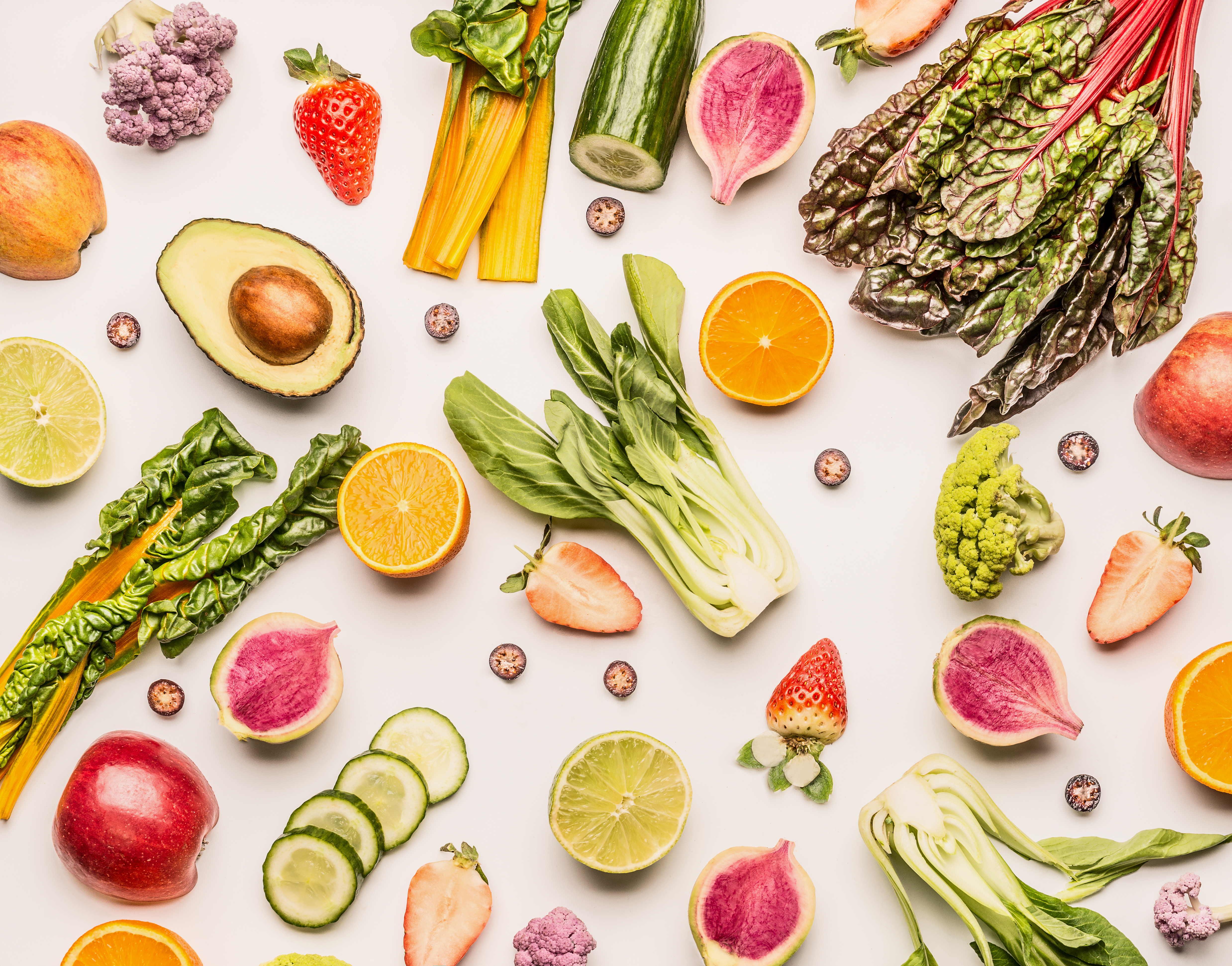
Moderating sugary foods and swapping junk foods for whole fruits and vegetables helps preserve your body’s detox capacity.
Choose antioxidant-rich foods
Antioxidants shield cells from damage caused by free radicals. Oxidative stress arises when free radical production exceeds the body’s defenses.
Your body makes free radicals during normal processes such as digestion, but certain behaviors and exposures can increase their numbers, including:
- alcohol consumption
- tobacco use
- poor-quality diets
- contact with environmental pollutants
Free radicals can harm many cell types. Research links oxidative damage to conditions such as:
- dementia
- cardiovascular disease
- liver disease
- asthma
- some cancers
Eating a diet abundant in antioxidant foods can help offset oxidative stress from excess free radicals and other harmful agents that raise disease risk.
Prioritize obtaining antioxidants from whole foods rather than high-dose supplements; excess supplementation may increase risk for certain illnesses.

Keep active regularly
Consistent physical activity — independent of body weight — is linked to longer life expectancy and a lower risk of many ailments, including:
- type 2 diabetes
- heart disease
- hypertension
- certain cancers
The CDC advises aiming for 150–300 minutes per week of moderate activity (for example, brisk walking) or 75–150 minutes weekly of vigorous exercise (such as running).
One simple start is adding a 30-minute walk after a meal to your daily routine.
Frequently asked questions
What’s the best way to detox your body?
Your body naturally clears out many toxins. You can assist that process and support overall wellness through lifestyle choices such as:
- limiting or avoiding alcohol
- prioritizing sleep
- drinking enough fluids
- eating antioxidant-rich foods
Additionally, sensible strategies like staying hydrated and reducing ultra-processed food intake — rather than extreme cleanses — are more effective and sustainable. If you’re interested in gentle approaches, look into methods such as an apple cider vinegar detox or an epsom salt detox as short-term, low-risk options, but remember they’re not replacements for healthy daily habits.
How can I detox my whole body at home?
The body uses a coordinated system — liver, kidneys, digestive tract, skin, and lungs — to eliminate harmful substances. Those organs must be healthy to perform optimally.
Supporting them with adequate sleep, hydration, nutritious food, reduced alcohol and processed-food intake, and regular exercise helps your body manage and clear toxins naturally.
The bottom line
Detox regimens promise to remove toxins, boost health, and support weight loss.
Although they’re widely marketed, such diets are generally unnecessary because your body has an effective built-in detox system.
That said, you can strengthen your natural detox processes and overall health by staying hydrated, cutting back on ultra-processed foods and sugar, keeping active, and choosing antioxidant-rich meals.






















Leave a Reply
You must be logged in to post a comment.