

Attention-deficit/hyperactivity disorder (ADHD) limerence describes the overwhelming, consuming craving for another person’s approval and attention that some people with ADHD experience. It isn’t a formal psychiatric diagnosis, and limerence itself is not exclusive to ADHD.
ADHD limerence is not an official medical label. Rather, it’s a phrase used to capture a commonly reported experience among people with ADHD that blends ADHD-related hyperfocus and emotional regulation difficulties with the psychological phenomenon of limerence.
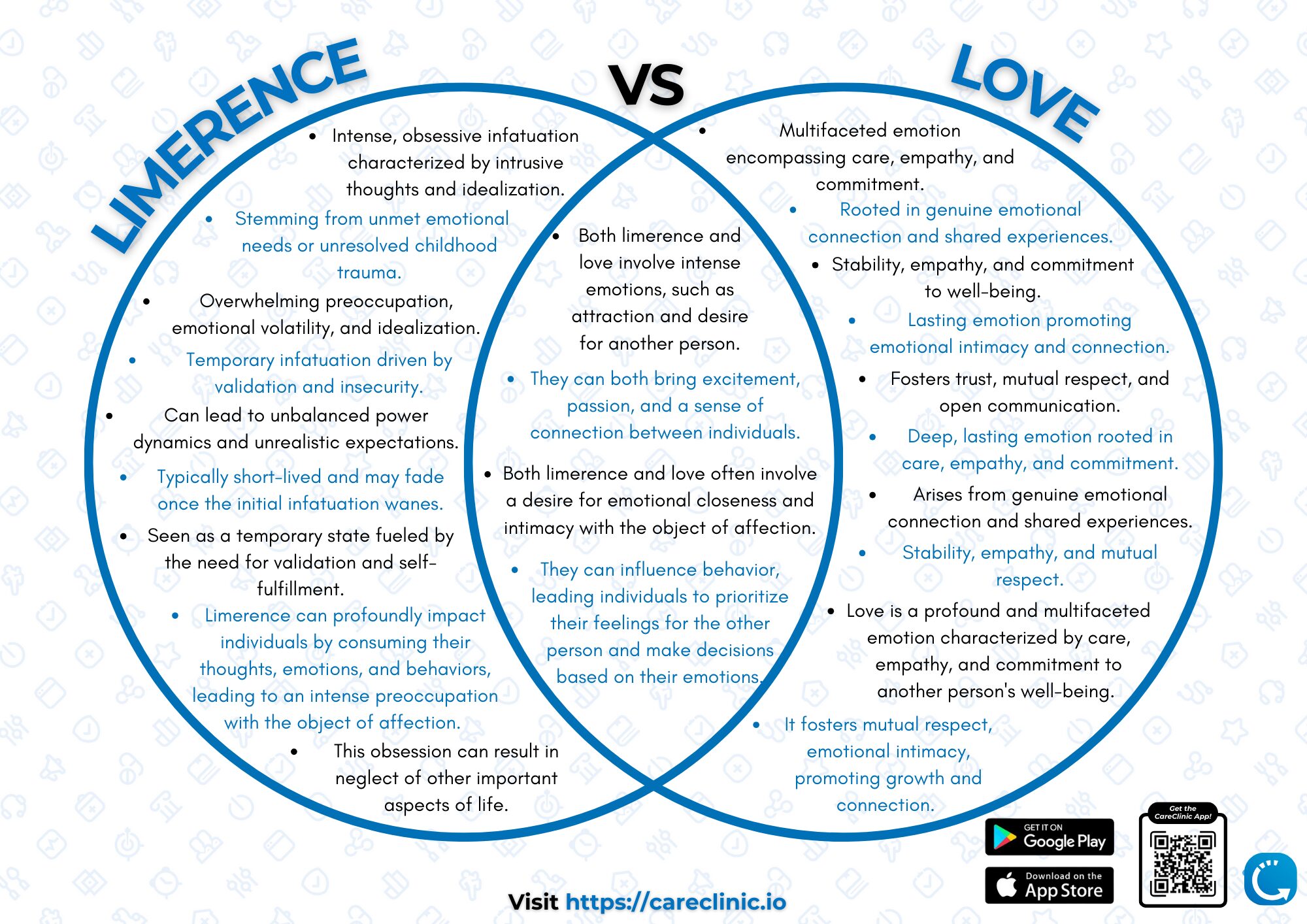
Psychologist Dorothy Tennov coined the term limerence in the 1970s after interviewing people about their romantic experiences. Tennov identified a subgroup of respondents who described a similar form of “love”: an involuntary, often unreciprocated fixation marked by an intense longing for positive attention or approval from another individual.
Although limerence is frequently linked to romantic attraction, it can also appear in other interpersonal contexts, such as friendships, mentor-mentee relationships, or admiration of public figures.
Are people with ADHD more susceptible to limerence?
Research specifically on limerence in ADHD is sparse, but certain ADHD traits could raise the chance of experiencing limerence.
ADHD is a multifaceted neurodevelopmental condition that affects people in varied ways. For some, it involves episodes of hyperfocus alongside more typical symptoms like distractibility and hyperactivity.
Hyperfocus is a state of intense concentration that can be difficult to control in ADHD. It stems from the same underlying attentional regulation challenges that contribute to inattention.
Because hyperfocus can lock attention onto particular people, objects, or tasks, it naturally makes someone more prone to fixating on certain individuals.
Coupled with impulsivity, which may prompt rapid emotional attachment without full consideration, and emotional dysregulation, which magnifies mood swings, ADHD can create a cycle of highs and lows that keeps someone preoccupied with a person.
Why do people without ADHD experience limerence?
Limerence is not exclusive to ADHD. The area lacks extensive study, so its precise causes remain unclear, but similar characteristics can predispose people without ADHD to limerence.
Hyperfocus, for instance, is not unique to ADHD. It occurs in various conditions, including autism spectrum disorder (ASD), and may also reflect personality differences.
Likewise, impulsivity and emotional dysregulation are experiences anyone might face for a variety of reasons.
Recognizing signs of limerence
Because limerence is a descriptive concept rather than a clinical diagnosis, there’s no official symptom list for limerence in ADHD.
Common indicators include:
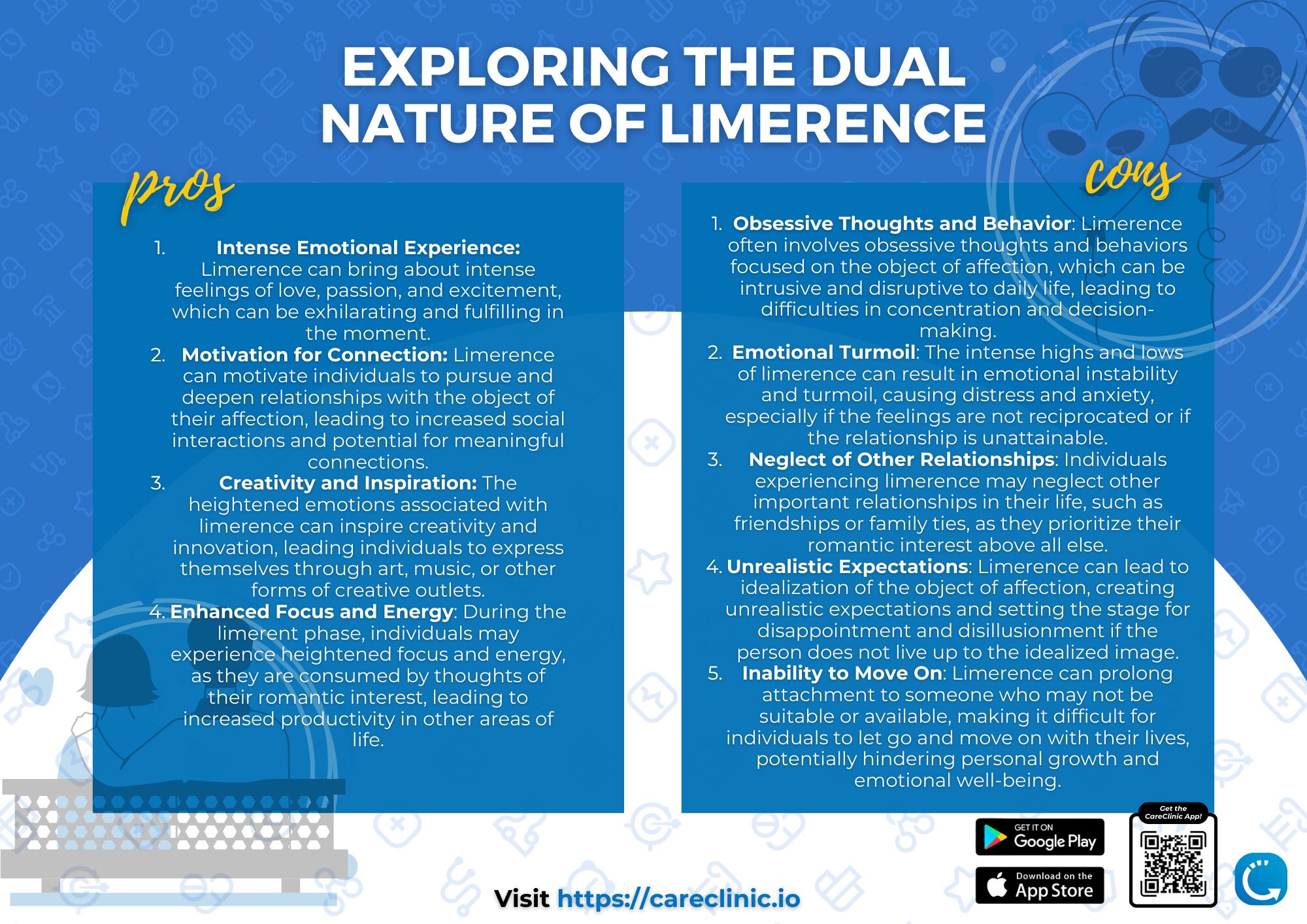
- persistent, intrusive thoughts about a specific person
- difficulty concentrating on other tasks or life areas
- a strong, overwhelming need for that person’s attention, approval, or affection
- heightened reactivity to perceived signs of reciprocation
- emotional rollercoasters tied to the person’s actions
- idealizing or idolizing the individual
- compulsive checking for messages and contact from them
- grand, elaborate fantasies about being with that person
- rumination about the person
- feeling diminished self-worth when feelings aren’t reciprocated
Strategies for managing limerence in ADHD
There are no established treatment protocols for limerence.
A 2024 scoping review suggested that approaches—including medications—that help stabilize the brain’s reward pathways may be useful, as well as therapies that assist individuals in recognizing unhelpful thoughts and behaviors and taking responsibility for their choices.
A 2021 case report found cognitive behavioral therapy (CBT) beneficial for reducing limerence symptoms over a nine-month follow-up. CBT focuses on identifying and reframing maladaptive thinking and behavior patterns.
For ADHD-related limerence, addressing the core ADHD symptoms can help reduce limerent patterns driven by hyperfocus, impulsivity, and emotional dysregulation.
Management may involve a combination of medication, behavioral therapies and counseling, lifestyle changes, and environmental supports tailored to the individual.
Resources that explore related topics—like adhd waiting mode, adhd brain training, and psychological testing for adhd in adults—may be useful for understanding and addressing overlapping challenges.
Can people with ADHD build successful relationships?
Having ADHD doesn’t prevent you from forming meaningful, lasting relationships. ADHD does not change your ability to love or be loved.
Although certain ADHD traits can complicate relationships, awareness of these tendencies and active efforts to manage and adapt to ADHD can minimize their impact on everyday life.
Learning strategies specific to relationships and ADHD can help partners navigate challenges more effectively.
Takeaway
ADHD limerence is a nonclinical term used to describe intense, consuming feelings toward another person experienced by some people with ADHD.
While limerence occurs outside of ADHD too, features like hyperfocus, impulsivity, and emotional dysregulation may make ADHD-related limerence more likely.























Leave a Reply
You must be logged in to post a comment.