
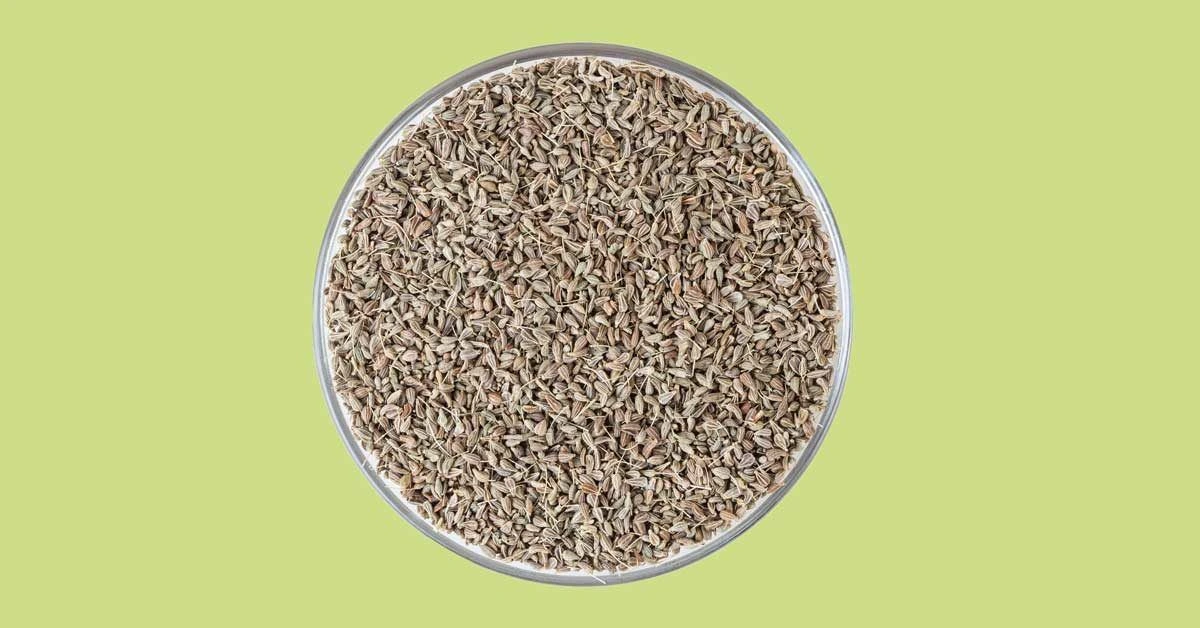
Anise is a herb notable for its unmistakable licorice-like flavor. It’s frequently used to flavor sweets and beverages and is recognized for its traditional medicinal uses.
Also known as aniseed or Pimpinella anisum, anise belongs to the same botanical family as carrots, celery and parsley.
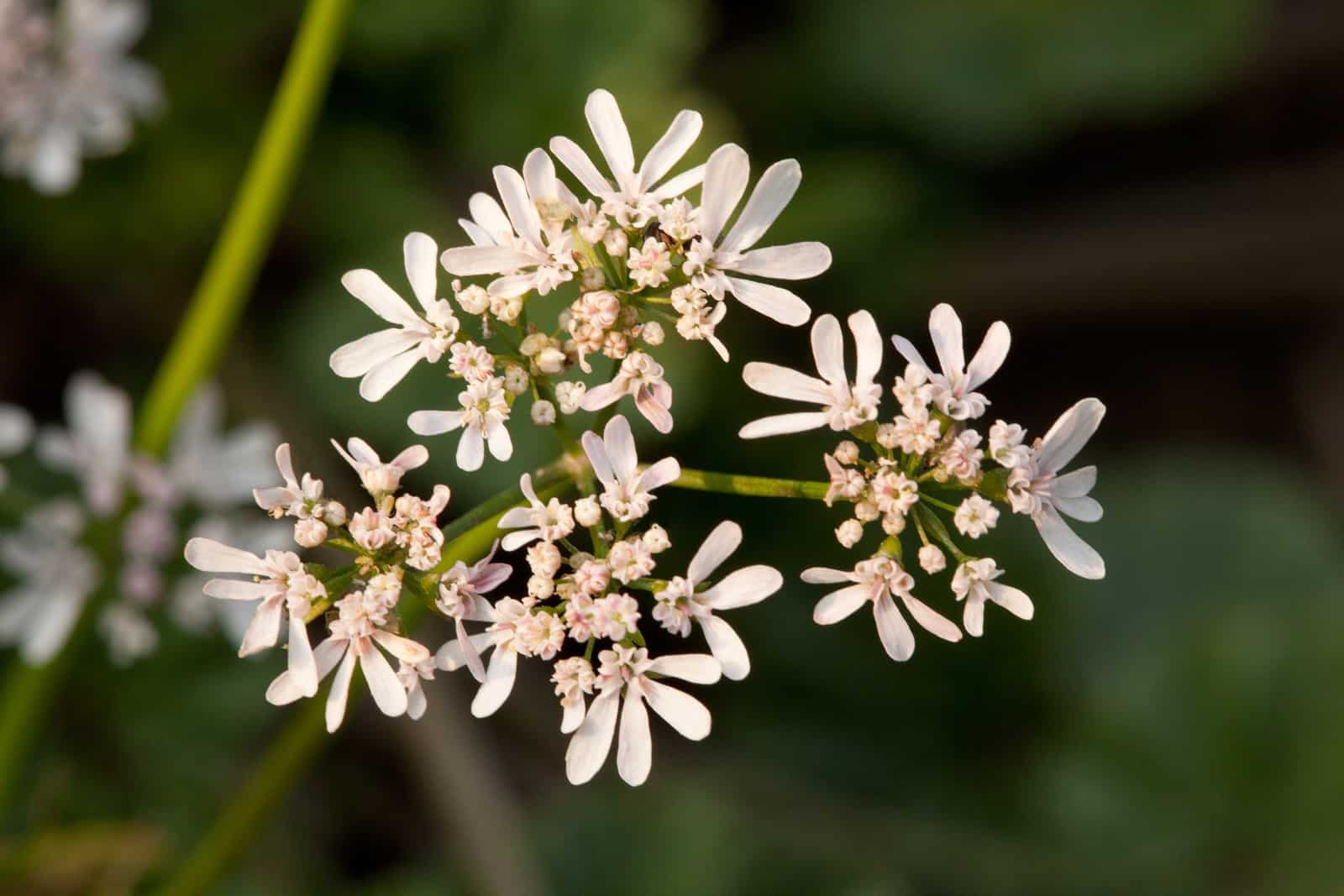
The plant can reach about 3 feet (1 meter) in height and produces blooms followed by small white fruits commonly called anise seeds.
Below are 7 science-backed uses and benefits of anise seed.
1. Packed with Micronutrients
Even though anise seed is typically consumed in modest amounts, each serving supplies a notable quantity of several essential micronutrients.
Notably, anise seed is a good source of iron, which is crucial for forming healthy blood cells in the body (1).
It also provides some manganese, an important mineral that functions as an antioxidant and supports metabolism and growth (2).
One tablespoon (7 grams) of anise seed contains roughly (3):
- Calories: 23
- Protein: 1 gram
- Fat: 1 gram
- Carbs: 3 grams
- Fiber: 1 gram
- Iron: 13% of the Reference Daily Intake (RDI)
- Manganese: 7% of the RDI
- Calcium: 4% of the RDI
- Magnesium: 3% of the RDI
- Phosphorus: 3% of the RDI
- Potassium: 3% of the RDI
- Copper: 3% of the RDI
Keep in mind that most culinary uses call for less than a tablespoon of seeds.
Summary Anise seed is low in calories yet supplies a meaningful amount of several minerals, including iron, manganese and calcium.
2. May Ease Symptoms of Depression
Depression is a widespread and disabling condition, estimated to affect up to 25% of women and 12% of men globally (4).
Some studies suggest that anise seed might help alleviate depressive symptoms.
In an animal study, anise seed extract showed strong antidepressant effects in mice, performing comparably to a common prescription antidepressant (5).
In a human trial involving 107 participants, taking 3 grams of anise seed powder three times daily reduced postpartum depression symptoms (6).
Likewise, a four-week study of 120 people found that capsules containing 200 mg of anise oil taken three times daily significantly lowered mild to moderate depression symptoms versus a control group (7).
Summary Animal and human research indicates anise seed may help reduce depression symptoms and could be comparable to some antidepressant treatments.
3. May Guard Against Stomach Ulcers
Gastric ulcers are painful sores that develop on the stomach lining and can cause indigestion, nausea and a burning chest discomfort.
While standard care usually focuses on medications that lower stomach acid, early research indicates anise seed might help prevent ulcers and ease associated symptoms.
For example, an animal study reported that anise reduced gastric acid secretion, helping to prevent ulcer formation and protecting stomach cells from damage (8).
Still, research on anise’s impact on stomach ulcers is quite limited.
Further human studies are required to clarify its role in preventing or treating ulcers.
Summary Although evidence is sparse, anise seed lowered stomach acid secretion and helped prevent ulcer formation in an animal study.
4. Inhibits Fungal and Bacterial Growth
Laboratory studies indicate that anise seed and its constituents possess antimicrobial effects that can inhibit certain fungi and bacteria.
One in vitro investigation found that anise seed and its essential oil were particularly effective against specific fungal strains, including yeasts and dermatophytes, which can cause skin infections (9).
Anethole, the primary active compound in anise, also suppresses bacterial proliferation.
In a test-tube study, anethole inhibited growth of a bacterial strain responsible for cholera, an illness characterized by severe diarrhea and dehydration (10).
However, additional research is necessary to determine how these antimicrobial effects translate to humans.
Summary Lab studies suggest anise seed and its components may impede growth of certain fungi and bacteria.
5. May Alleviate Menopause Symptoms
Menopause marks the natural decline in reproductive hormones in women and can bring on hot flashes, tiredness and dry skin.
Anise seed is believed to act like estrogen in the body, which may help ease menopausal symptoms (11).
In a four-week trial, 72 women with hot flashes took either a placebo or a capsule containing 330 mg of anise seed three times daily. Those receiving anise saw nearly a 75% drop in the frequency and severity of hot flashes (12).
Certain compounds in anise may also help protect against bone loss, a common consequence of declining estrogen during menopause (13).
One animal study reported that an essential oil largely composed of anethole helped prevent bone loss and guarded against osteoporosis in rats (14).
Despite encouraging findings, more research is needed to determine the direct effects of anise seed on menopausal symptoms in women.
Summary Anise seed and its constituents may ease hot flashes and protect bone health, though more studies are needed.
6. May Help Regulate Blood Sugar
Some evidence suggests anethole, anise’s active compound, might help maintain blood sugar levels when combined with a balanced diet.
In a 45-day study on diabetic rats, anethole lowered elevated blood glucose by modifying key enzyme levels and improved the function of insulin-producing pancreatic cells (15).
Another animal study similarly found that anethole improved blood sugar control in diabetic rats (16).
Bear in mind these studies used concentrated anethole doses far greater than what’s present in a typical serving of anise seed.
Human trials are necessary to confirm anise seed’s effects on blood sugar in people.
Summary Animal research shows anethole may reduce blood glucose and support insulin-producing pancreatic cells.
7. May Reduce Inflammation
Inflammation is a normal immune reaction to injury or infection, but chronic inflammation is linked to long-term diseases like heart disease, cancer and diabetes (17).
Test-tube and animal studies indicate anise seed may have anti-inflammatory effects that support overall health and help prevent disease.
For example, a mouse study found that anise seed oil reduced swelling and eased pain (18).
Additional research shows anise seed contains antioxidants that can lower inflammation and protect against oxidative damage linked to disease (19).
Summary Lab and animal studies suggest anise seed is rich in antioxidants and can help reduce inflammation to lower disease risk.
Potential Adverse Effects
For most people, anise can be consumed safely without significant side effects.
However, it may cause allergic reactions in individuals sensitive to related plants such as fennel, celery, parsley or dill.
Also, because anise can mimic estrogen, it might aggravate hormone-sensitive conditions like certain breast cancers or endometriosis (11, 20).
If you have a history of hormone-sensitive disorders, consume anise in moderation and consult your physician if you have concerns.
Summary Some people may be allergic to anise seed. Its estrogen-like actions could worsen symptoms of hormone-sensitive conditions.
Dosage and Forms
Anise is commonly sold as dried seeds but is also available as oil, powder and extract.
Seeds, oil and extracts are used to flavor baked goods, candies and can enhance the scent of soaps and skin products.
Most culinary recipes call for a few teaspoons (4–13 grams or 5–15 ml) of ground anise seed, oil or extract.
Remember that different preparations vary in potency, so adjust quantities according to the form you use.
For instance, if a recipe asks for 1 teaspoon (5 ml) of anise extract, you could substitute 1/4 teaspoon (1 ml) of anise oil or 2 teaspoons (8 grams) of ground seeds.
For therapeutic use, doses between 600 mg and 9 grams daily have been effective for conditions like depression (6, 7).
Doses up to 20 grams per day of anise seed powder are generally regarded as safe for healthy adults (6).
Summary Anise is available in seed, powder, oil and extract forms. Small amounts are usually sufficient, as its flavor and effects are concentrated.
Final Thoughts
Anise seed is a versatile herb rich in nutrients that offers a variety of potential health benefits.
It exhibits antifungal, antibacterial and anti-inflammatory properties and may help prevent stomach ulcers, support blood sugar control and ease symptoms of depression and menopause.
When combined with a wholesome diet and healthy lifestyle, anise seed might contribute to better overall health.



















Leave a Reply
You must be logged in to post a comment.