

A woman’s menstrual period is a normal part of her monthly reproductive cycle. The number of days spent bleeding can differ greatly between individuals. Most people experience bleeding for about two to seven days. Premenstrual symptoms (PMS) commonly begin 5 to 11 days before the start of your period.
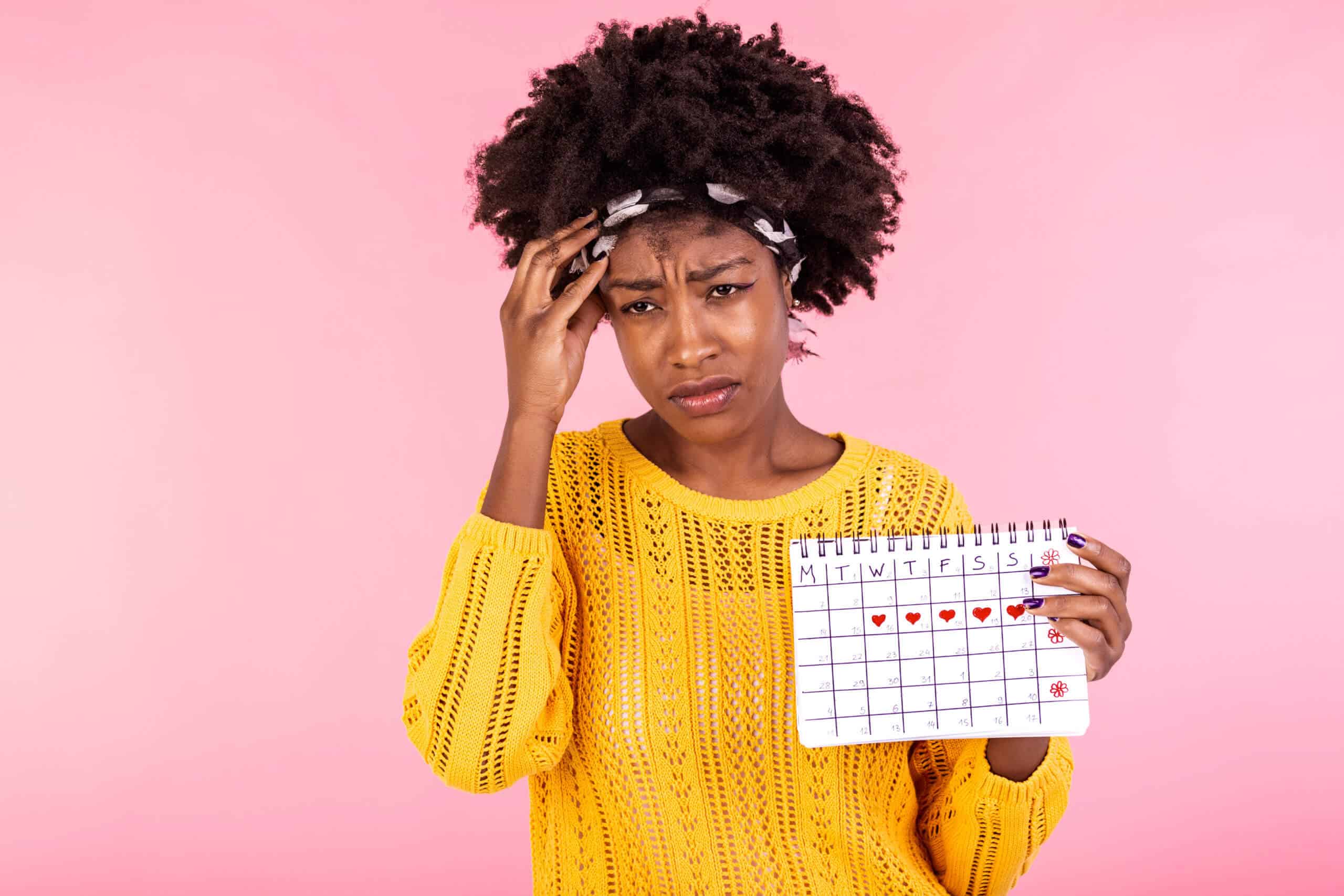
Occasional changes in symptoms, flow, and overall length typically aren’t alarming. Nutrition, physical activity, and stress can all influence the glands that control your hormonal balance, which in turn can alter your monthly cycle.
Keep reading to learn how to help a variable period return to a steady rhythm with adjustments to lifestyle, supplements, and other approaches.
Review your eating habits
Eating too little or lacking key nutrients may stress the hypothalamus, pituitary, and adrenal glands. These glands govern hormone balance, which can impact your cycles. Continue reading to find out what to avoid and what to include in your diet.
Avoid very low-carb diets
Insufficient carbohydrate intake can cause irregular or even missed periods (amenorrhea). Low-carb eating plans may interfere with thyroid activity and reduce leptin in the body. Leptin, produced by fat tissue, helps regulate reproductive hormones.
Specialists suggest consuming 225 to 325 grams of carbohydrates daily if you follow a 2,000-calorie diet. That translates to roughly 45 to 65 percent of your total daily calories coming from carbs.
Be cautious with very high-fiber diets
Fiber intake may lower levels of:
- progesterone
- estrogen
- luteinizing hormone (LH)
- follicle-stimulating hormone (FSH)
Researchers think this may be why women who eat high-fiber diets have a reduced risk of breast cancer.
Those same hormones are important for reproduction. Therefore, very high fiber intake could interfere with ovulation, potentially making periods late or causing them to be skipped.
However, not all studies back up this theory. Some research has found no link between fiber and ovulation or menstrual timing.
Experts advise aiming for 25 to 30 grams of fiber each day.
Ensure adequate healthy fats
Getting enough dietary fat helps support hormones and ovulation. Polyunsaturated fatty acids (PUFAs) seem particularly beneficial.
Common PUFA sources include:
- salmon
- vegetable oils
- walnuts
- flax seeds
The Cleveland Clinic recommends that 20 to 35 percent of daily calories come from fat, with roughly 5 to 10 percent of those calories coming specifically from PUFAs.
Get enough folate
Folate is thought to encourage regular ovulation and support progesterone production in the latter half of the cycle. This may improve fertility.
Current guidance suggests 400 micrograms (mcg) per day. Depending on your medical history, your provider might recommend 800 mcg or more.
Include pineapple and papaya
There’s anecdotal discussion that pineapple and papaya might help regulate periods.
- Papaya contains carotene, which can support estrogen. This tropical fruit may also encourage uterine contractions.
- Pineapple has the enzyme bromelain, which might aid blood flow and support production of red and white blood cells.
Both are nutritious whole foods worth adding to your meals regardless of any period-related effects.
Think about dietary supplements
Certain supplements may support menstrual regularity by improving hormonal balance or correcting nutrient shortfalls.
Always discuss supplements with a healthcare professional before starting them.
Although available without a prescription, supplements aren’t regulated by the Food and Drug Administration (FDA) in the same way medications are. They don’t have to be proven safe or effective before sale.
Some supplements can interact with medical conditions and with OTC or prescription drugs. In addition, some aren’t safe if you’re pregnant or trying to conceive.
Inositol
Inositol is a vitamin-like compound naturally found in the body and in foods such as meat, citrus, and beans.
It’s involved in insulin signaling and can influence other hormones, including FSH, and is important for ovarian function. As a result, it may improve irregular cycles.
Taking inositol supplements has been shown to boost ovulation and pregnancy rates in women undergoing fertility treatments.
Shop for inositol supplements.
Cinnamon
Cinnamon can help stabilize insulin, which may affect other hormones and the menstrual cycle.
In women with polycystic ovary syndrome (PCOS), who often have high insulin and irregular cycles, cinnamon has been linked to more regular periods.
Cinnamon supplements may also lessen pain for women with painful menses.
Supplement doses commonly used are 500 milligrams (mg) taken three times daily.
Shop for cinnamon supplements.
Turmeric
Turmeric contains curcumin, a compound shown to reduce inflammation and improve mood. Because of these properties, curcumin supplements can lessen PMS symptoms.
Turmeric may also act in ways similar to estrogen, which could help normalize cycles. Some research supports this possibility.
Typical curcumin doses range from 100 mg to 500 mg taken twice daily.
Shop for turmeric supplements.
Evening primrose oil
Evening primrose oil contains gamma-linolenic acid (GLA), an omega-6 fatty acid with anti-inflammatory properties.
It’s used for several women’s issues, including hot flashes, breast tenderness, and PMS. Some older studies suggest it may reduce PMS symptoms, while other research found no effect.
Doses of 3 to 6 grams daily are commonly used.
Shop for evening primrose oil.
Castor oil
Traditionally, castor oil is considered an “emmenagogue,” meaning it’s believed to stimulate menstrual flow.
Animal research suggests castor oil may influence the menstrual cycle and reduce inflammation, which could ease cramps and pain.
To try castor oil, prepare a castor oil pack:
- Soak a flannel cloth in castor oil, then squeeze out the extra oil.
- Lay the oil-soaked flannel over your lower abdomen.
- Cover the flannel with plastic wrap.
- Put a heating pad or hot water bottle on top of the plastic-covered flannel. Relax with it in place for 45 to 60 minutes. Use once daily for three days, or longer if needed.
Shop for castor oil, a heating pad, and a hot water bottle.
Warning
Do not use castor oil if you are pregnant. It may be harmful during pregnancy.
Consider herbal remedies
Remember that herbal and dietary supplements aren’t regulated by the FDA. Always consult a healthcare provider before use.
Some herbs can interact with health conditions and with prescription or OTC medications.
Black cohosh
Black cohosh is a flowering plant native to North America.
It’s sometimes used to relieve menopause symptoms — like hot flashes, night sweats, and vaginal dryness — and to help regulate menstrual cycles.
Some researchers believe it may act by raising estrogen, LH, and FSH levels.
Doses of 20 to 40 mg daily are commonly used.
Chasteberry
Chasteberry (Vitex agnus-castus) is widely used for women’s health, especially to ease PMS symptoms. It’s also called the chaste tree.
Chasteberry may reduce prolactin and increase progesterone, helping cycles become more regular when these hormones are balanced. Studies show it lessens PMS symptoms such as low mood, breast tenderness, and bloating.
If you use chasteberry, follow product instructions closely since dosing varies by preparation.
Mugwort
Mugwort is one of the earliest plants cultivated by humans. Historical texts describe it as a menstrual stimulant, used for late or missed periods, and it remains in use today.
If pregnancy is possible, speak with a clinician before using mugwort.
Mugwort is commonly consumed as a tea or in capsule form, but human research is lacking and the ideal dose is not established.
Keep a healthy weight
Body weight can influence your menstrual cycle, though the exact mechanisms aren’t fully understood.
Some research suggests that being overweight may be linked to more painful periods, although other studies do not confirm this connection.
A 2017 study reported that overweight people may be more likely to experience irregular periods and infertility. Scientists think increased weight can alter the HPA axis, which controls hormones.
Weight changes themselves — either loss or gain — can also lead to menstrual irregularities. During periods of weight loss or weight gain, you might notice menstrual shifts.
Aiming for a steady, healthy weight is a practical approach to helping maintain regular cycles.
Exercise regularly
Regular physical activity offers many benefits, including reducing PMS symptoms and lessening menstrual pain.
To reduce symptoms, try to get about 30 minutes of aerobic activity daily — such as walking, jogging, cycling, or swimming.
Be aware that very intense exercise can also disrupt your cycle, potentially causing missed or delayed periods.
Practice good sleep hygiene
Menstrual issues, particularly PMS, can cause sleep disturbances for many women, which can in turn worsen symptoms.
Improve sleep by practicing healthy sleep habits. Try these steps:
- Go to bed and wake up at roughly the same times each day.
- Avoid napping.
- Don’t read or watch TV in bed.
- Avoid caffeine after noon.
- Exercise regularly, ideally before 2 p.m.
There are additional tips available for improving sleep when needed.
Lower stress
Research shows the adrenal glands release both cortisol and progesterone in response to stress. While the temporary rise in progesterone may reduce anxiety briefly, it can also disrupt your normal cycle.
Reducing chronic stress through meditation, deep breathing, and other strategies may help you feel better and restore regularity to your cycles.
In one study, participants who did yoga for 35 minutes per day, five days a week experienced improvements in cycle regularity, pain, and gastrointestinal issues linked to their periods. Research supports this effect.
Consider acupuncture
Acupuncture uses very fine needles at specific points on the body. Traditional Chinese medicine proposes that acupuncture restores balanced energy flow, which may help regulate periods and ease PMS or painful menstruation.
Some studies indicate acupuncture can lower FSH and restart menstruation in women who had stopped cycling. Other research suggests it can reduce menstrual pain, though results vary.
Use hormonal contraception if appropriate
Hormonal birth control is frequently prescribed to regulate irregular periods.

Different methods exist, but they all work by stabilizing hormone levels. They can regularize cycles and relieve symptoms like severe cramps or acne. Some options may stop periods entirely.
A healthcare provider can help choose a hormonal contraceptive suited to you. Side effects may include nausea, weight changes, or headaches.
Tell your doctor if you smoke, as that can raise the risk of blood clots when using hormonal methods.
Can irregular periods impact fertility?
While occasional irregular cycles are common, persistent irregularity can make conceiving more difficult.
To conceive, intercourse should occur before and during ovulation, your most fertile time. Irregular cycles make it hard to predict when ovulation will occur.
Sometimes an irregular period reflects an underlying condition that affects fertility, such as PCOS or diminished ovarian function.
If your periods are inconsistent and you want to get pregnant, consider booking a preconception consult with a healthcare provider.
When to consult a healthcare professional
Although temporary changes in your cycle may result from stress or lifestyle shifts, ongoing irregularity could signal an underlying health issue. See a doctor or other healthcare professional if:
- you haven’t had a period in three months
- you have a period more than once every 21 days
- you have a period less than once every 35 days
- your periods last longer than a week
- you soak through one or more menstrual products in an hour
- you pass blood clots the size of a quarter or larger
Your clinician will help identify the cause and create a tailored plan. It may require some trial and error, so communicate openly with your provider and allow time for adjustments.




















Leave a Reply
You must be logged in to post a comment.