
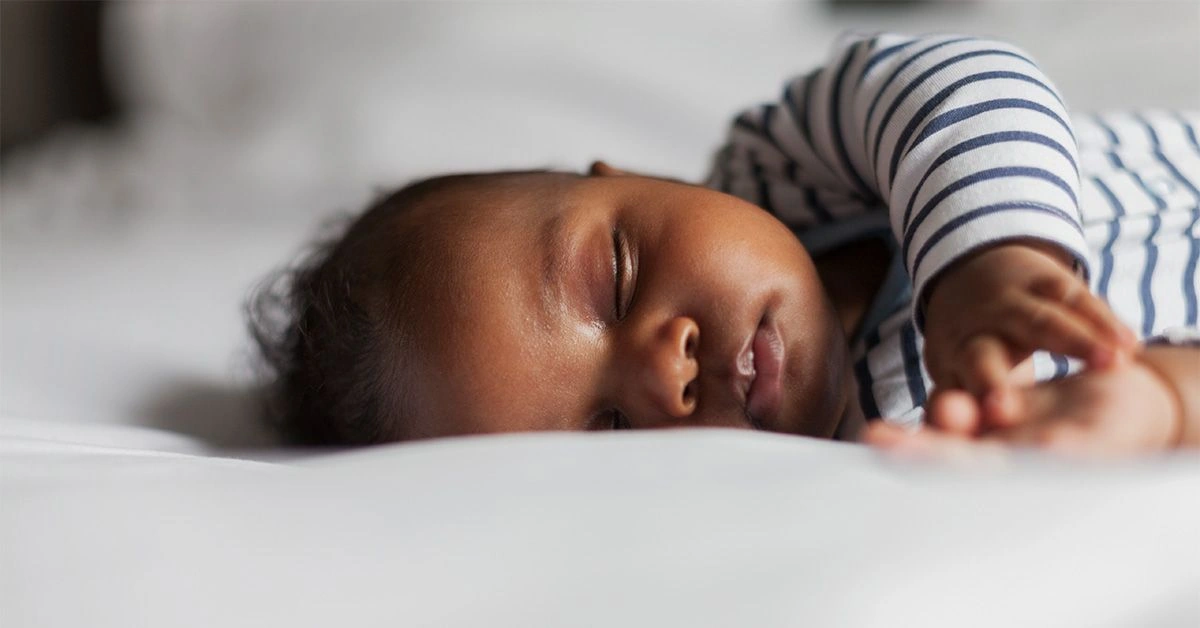
Putting babies to sleep on their backs is the safest option. Allowing a baby to sleep on their side increases the chance they’ll roll onto their stomach, which can be risky.

You place your infant down at bedtime remembering the mantra “back is best,” but then they squirm and end up on their side. Or your baby simply won’t nod off unless you start them on their side.
That little one has turned you into a bundle of concern — and all the advice about safe sleeping positions and SIDS isn’t making things easier.
Take a breath and step away from the monitor for a minute. You’re doing a fantastic job even if your baby isn’t an instant or serene back sleeper.
It’s true: back sleeping is preferable for infants. As babies grow and gain strength, side sleeping can become acceptable. Your baby will become more active in sleep as they approach their first birthday — which, happily, is also when many of these position-related worries fade. Meanwhile, there are several steps you can take to keep your sleeping little one safer.
Below we’ll explain why back sleeping is recommended and when it’s reasonable to allow side sleeping. Spoiler: these concerns do pass, and you’ll both rest easier before long.
The biggest concern: SIDS
Let’s address the main issue up front: laying infants on their backs to sleep is definitely safer than tummy sleeping. Sleeping on the stomach raises the risk of sudden infant death syndrome (SIDS) and suffocation, and rolling from side to stomach is an easy maneuver for babies — gravity does most of the work.
SIDS is the primary cause of death for infants aged 1 month to 1 year. In the U.S. roughly 3,500 infants die unexpectedly during sleep each year.
Tummy sleeping isn’t the sole contributor. SIDS risk also increases when:
- a parent smokes during pregnancy or the baby is exposed to secondhand smoke after birth
- the baby is born prematurely (about four times the risk)
- the baby shares a bed with a parent(s)
- the baby sleeps in a car seat, sofa, or couch
- parents use alcohol or illicit drugs
- the baby is formula-fed instead of breastfed
- blankets or toys are in the crib or bassinet
Not every factor is controllable — and for those you can’t change, don’t beat yourself up. Many premature infants do very well, and a fed baby — whether breast or bottle — is a healthy baby.
The encouraging news is that some risks are preventable. First, the safest place for a newborn to sleep is in your bedroom but in their own bassinet or crib.
Second, lay baby on their back for sleep. Early swaddling is fine — and often comforting since it mimics the womb — until your infant can roll over. At that point they should have their arms out so they can push up or move if they roll onto their tummy.
This danger of tummy sleeping also explains why placing an infant on their side is discouraged at this stage: it’s easier to roll from side to tummy — even for babies not yet intentionally rolling — than from back to tummy.
SIDS risk peaks between about 2–4 months, though it can occur anytime up to 12 months.
Does side sleeping prevent choking?
You might worry your baby could choke if they spit up while lying on their back. However, the National Institutes of Health (NIH) — a well-researched authority — says it’s a myth that side sleeping reduces choking risk.
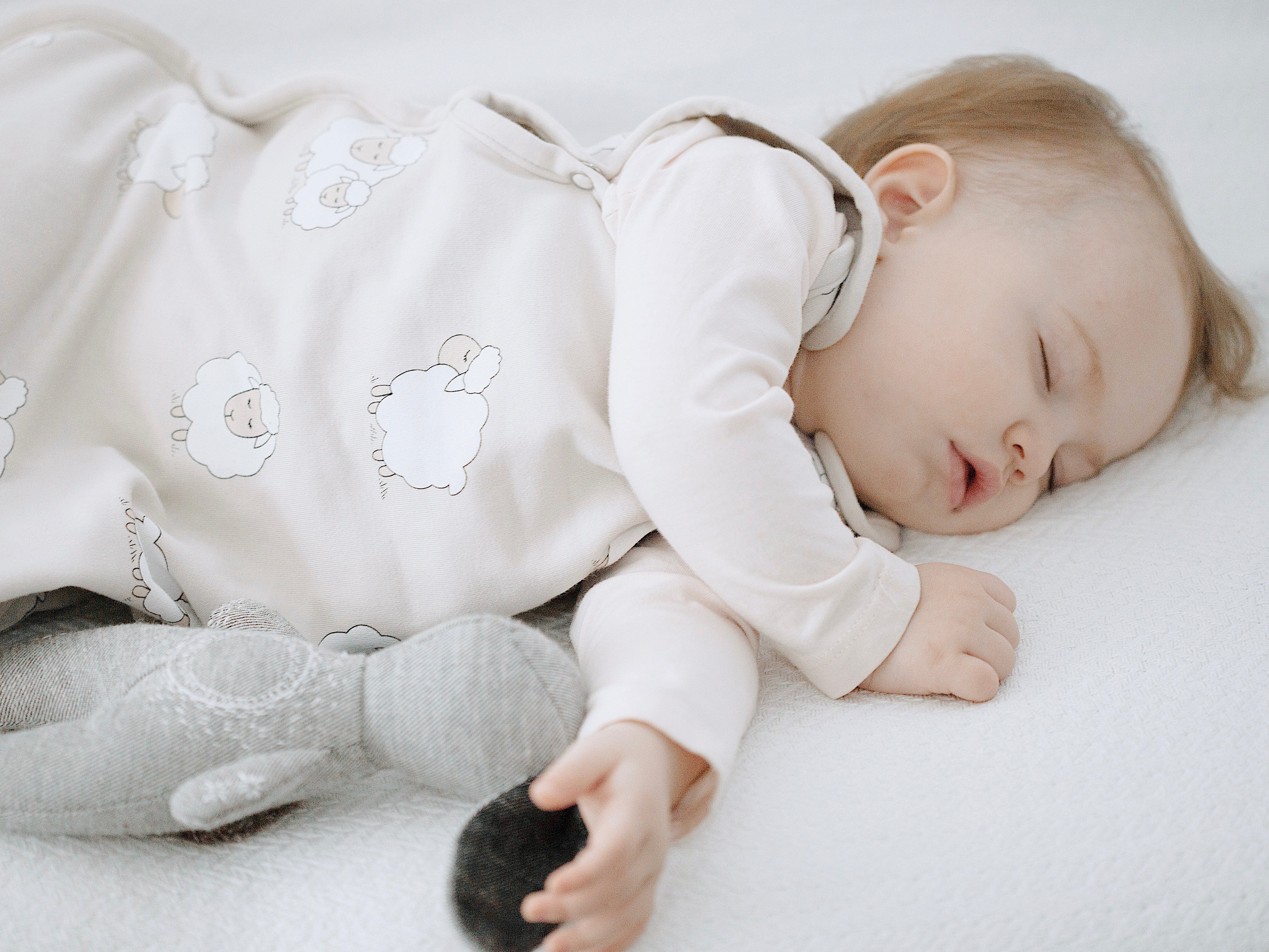
NIH points out studies showing back sleeping actually carries a lower choking risk. Infants are better able to clear their airways on their backs. They have automatic reflexes to cough up or swallow spit-up even while asleep.
Consider how easily babies burp and bring up spit-up while awake — they’re equipped to handle it during sleep too.
Flat head — common and manageable
You may have heard that always laying a baby on their back can cause a flat spot (plagiocephaly) or an unusual head shape.
It’s true newborn skulls are soft — thankfully — and neck muscles are weak in early months. Remaining in one position — back or one side — for long periods can lead to some flattening.
This is generally normal and usually resolves on its own. There are also ways to reduce the likelihood of flat spots.
Always place your baby on their back for naps and nighttime sleep. You may notice them turning their head to look at something interesting rather than staring at the wall. To encourage head-turning, put a toy or something colorful outside the crib or bassinet (never inside at this age).
Keep the view appealing but vary your baby’s head position by alternating how they lie in the crib, particularly if it’s against a wall:
- One day put your baby with their head at the head of the crib.
- The next day put them with their head at the foot so they’ll likely turn the other way to see the room.
- Keep switching in this manner.
- Remove overhead mobiles so your baby looks to the side, not straight up.
- Confirm baby is on their back but facing toward the room.
Give plenty of supervised tummy time while awake. This reduces flat spots and helps build neck, arm, and upper-body strength.
So, side sleeping is not the fix for a flat head — since temporary flattening is harmless and side sleeping carries greater risks (such as SIDS). Back sleeping with alternating head position is the safest approach.
Side sleeping and torticollis
Torti-what? If you’ve ever woken with a stiff neck from sleeping awkwardly, you’ve experienced torticollis in adults. Newborns can develop a form of torticollis (“wry neck”), too.
It most often stems from positioning in the womb but can appear up to 3 months after birth. When it develops postnatally, it can be linked to side sleeping, which provides less head-and-neck support.
Torticollis in infants can be subtle because they don’t move their necks much yet. Signs include:
- tilting the head to one side
- preferring to nurse on one side only
- moving their eyes to look over their shoulder instead of turning their head
- inability to turn the head fully
Torticollis may also influence sleep — your baby might favor sleeping on one side or always turn their head the same way for comfort. Still, continue placing your baby on their back.
Consult your pediatrician if you see torticollis signs. It’s often treatable with neck-strengthening exercises you can do at home; a physical therapist may assist and your doctor will want follow-up visits.
Harlequin color change
Roughly 10 percent of healthy newborns show a harlequin color change when lying on their sides. This harmless event makes one half of the infant’s body and face turn pink or red. The discoloration is brief and resolves on its own within two minutes.
This happens because blood pools in small vessels on the side the baby is lying on; it fades as the baby grows.
Avoid side sleeping to reduce the chance of seeing this change. While harmless, avoiding side sleep also helps prevent more serious conditions.
When is side sleeping okay?
As mentioned, placing an infant on their side makes it simpler for them to accidentally roll to their stomach. This isn’t safe, especially for babies younger than about 4 months who may lack the strength to change positions or lift their heads.

If your baby only falls asleep on their side while you’re watching, gently move them onto their back as soon as you can without waking them.
If your active little one rolls into a side position after you put them to sleep on their back, don’t panic. The American Academy of Pediatrics says it’s acceptable to let a baby sleep on their side if they can roll over comfortably on their own.
After roughly 4 months, infants are stronger and have improved motor skills. They can lift their heads to explore and roll over when placed on their tummy. At this stage, allowing side sleep is safer — but only if the baby arrived in that position on their own.
Bottom line: always place baby on their back for naps and bedtime. Tummy sleeping is unsafe throughout the first year, and side sleeping is a quick path to tummy sleeping. Reserve tummy time for awake, supervised play.
How to prevent side sleeping before it’s safe
Your baby already has a personality — which is wonderful. But you’ll want to prevent them from sleeping on their side before it’s safe. Try these strategies:
- Choose a firm sleep surface. Ensure the crib, bassinet, or playpen mattress is firm so baby doesn’t leave an impression. Avoid soft mattresses that let your infant sink in slightly, which makes rolling to the side easier.
- Use a video baby monitor. A monitor that shows a live view can alert you if your baby is shifting toward side sleeping once they’re in their own room.
- Swaddle until rolling. Wrapping baby snugly may help them remain comfortable on their back. Leave room for hip movement and stop swaddling once they can roll.
- Try a sleep sack. If your baby dislikes swaddling, a sleep sack can be an alternative. These wearable sleep bags can help babies stay settled without extra loose blankets. Look for arms-free styles once your baby can roll.
A safe crib should contain only a firm mattress and a tightly fitted sheet. It may be tempting to use extra pillows or baby positioners to keep a child on their back, but the Consumer Product Safety Commission and FDA warn these can be dangerous. Positioners are padded supports that hold an infant’s head and body; there have been reports (12 reports over 13 years) of suffocation related to such products.
Also avoid bulky or loose items in the crib that could become wedged against your baby, such as:
- large stuffed animals
- bumper pads
- extra pillows
- thick blankets
- excessive clothing layers
Final thoughts
Back sleeping is safest for infants and has been shown to reduce SIDS risk. Other side-sleeping concerns — like a wry neck or temporary color changes — are generally treatable, but it’s not worth risking more serious issues.
Side sleeping is typically acceptable once a baby is around 4 to 6 months old and can roll over on their own after being placed on their back. Until 1 year of age, always put your baby down on their back.
Speak with your pediatrician if you notice a side-sleeping preference in the first three months or if you’re worried about a flat spot — though temporary flattening usually resolves and won’t diminish your baby’s charm. For related guidance on gentle care, you may find information about essential oils for babies and tips for safe sleep 7 helpful as supplementary resources.



















Leave a Reply
You must be logged in to post a comment.