Kids’ Health
Kids’ Health provides advice on physical, mental, and emotional well-being for children, covering topics like nutrition, growth, development, and common health concerns.

What Is Baby Talk and Why Is It So Important?
Aside from “mama” and “dada,” few utterances are as closely tied to infant speech as “goo-goo” and “gaa-gaa.” Want to mimic an infant? Spout a series of nonsensical syllables with no pattern, and presto—you’ll sound like an 8-month-old in no time. Those random assortments of vowels and consonants that infants produce are known as babbling. And while it may seem totally trivial when your little one chatters to themselves while…
Toy Slime Health Hazards: What You Need to Know
Here are the key points about possible hazards the trendy gooey toy can present for children. If you’ve been shopping for kids this holiday season or watching videos with them online, you’ve probably noticed that toy slime is everywhere. (img by The Times) Stretchy, squishy, slimy, and available in a wide variety of hues and finishes, toy slimes are fun to make and entertain with. But do you know what…
Why Is My Baby Sweating?
Babies can perspire just like grown-ups. And similar to adults, sweating can stem from a variety of causes. If your infant is sweaty, they might simply be overheated. Try removing a layer of clothing or tweaking the room temperature. As with adults, excessive sweating can sometimes be a sign of fever. You’ve likely heard of hot flashes during menopause and experienced sudden warmth at points during pregnancy. But perspiration can…

Formula for Infants with Acid Reflux
Acid reflux happens when stomach contents and acid travel back up into the esophagus and throat. The esophagus is the channel connecting the throat to the stomach. This is a frequent issue among babies, particularly those aged 3 months or younger. We’ve teamed up with EleCare ® to share guidance on appropriate formula choices for infants who experience acid reflux. What is acid reflux? Acid reflux commonly arises when the…

14-Month-Old Not Walking: Should You Worry?
Overview During the first year, infants reach numerous developmental milestones. These include mastering bottle-holding, rolling over, crawling, sitting up, and ultimately walking unassisted. If you’ve read parenting books or have older children, you might expect a baby’s first steps to occur around 10 to 12 months. So when a child isn’t walking by 14 months, it’s natural to feel concerned. Keep in mind that infants progress at different rates. A…
7 of the Best Probiotics That Are Safe for Kids
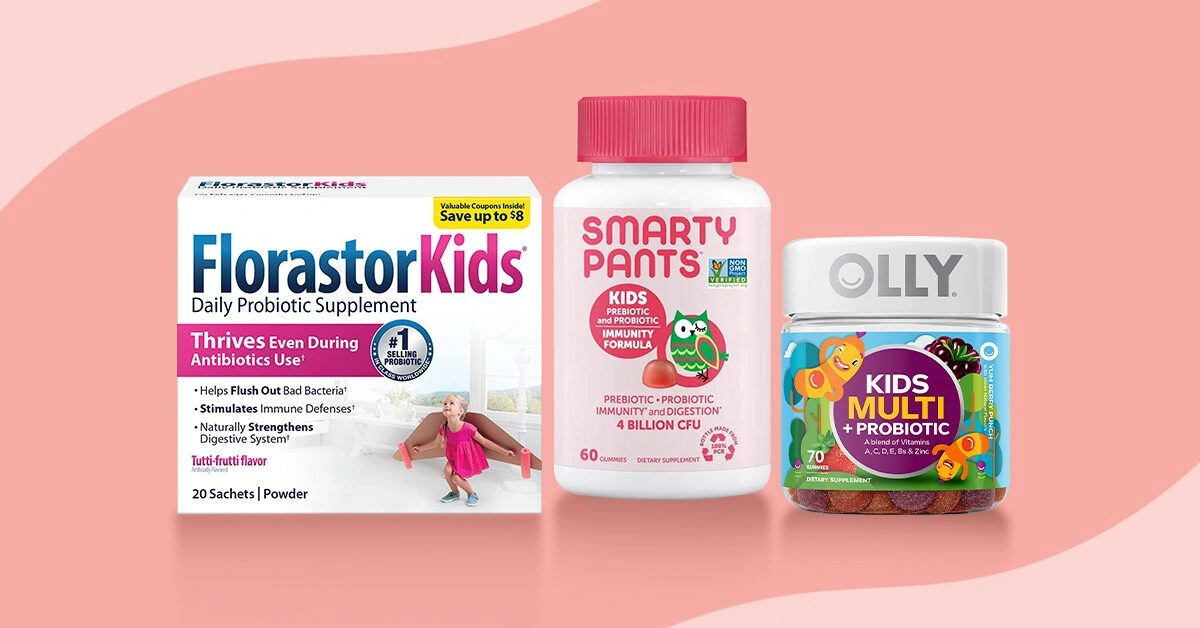
Whether you’re aiming to support a robust immune system or increase beneficial gut microbes, these child-friendly probiotics are worth a look. Although probiotics are frequently discussed for adults, research indicates they can also help children (1). Similar to their effects in grown-ups, probiotic supplements can assist a child’s digestive and immune systems and may address specific issues like constipation or reflux (2, 3, 4). Which probiotic is best for your…
Why Are There Ulcers in My Baby’s Mouth?
Infants can get mouth ulcers for a variety of reasons. Most heal on their own within 7 to 14 days, but you should seek medical advice if there are many sores, they spread, or your baby develops additional symptoms such as a fever. Your little one’s gummy smile likely delights you — until you spot small white bumps inside their mouth that aren’t teeth. That can be worrying. Mouth ulcers…
Is It Safe for Babies to Eat Eggs?
When can babies eat eggs? Eggs, which are rich in protein, are an affordable and adaptable food. You can fry, boil, scramble, or poach them to suit your baby’s preferences. (img by Organic Valley) Previously, doctors advised delaying eggs in an infant’s diet because of allergy worries. Updated guidance indicates that in many situations there’s no need for postponement. You can introduce eggs as one of your baby’s early foods,…
What’s the Hardest Age for Children to See Their Parents Split?
Divorce is difficult for everyone involved. Whether someone is 32 or just 2, whether they are one half of a previously happy couple or the child of that relationship, divorce rarely comes as a planned event. Still, hundreds of thousands of couples separate annually in the United States. If you have children, their welfare is likely at the forefront of your concerns. Is there an age when divorce is especially…
Is Too Much Homework Bad for Kids’ Health?
Studies indicate that many students are assigned homework amounts that exceed expert recommendations, which can trigger stress and adverse health outcomes. Research finds that when youngsters are expected to manage workloads that outpace their developmental readiness, both children and their families can suffer significant stress. Both the National Education Association (NEA) and the National PTA (NPTA) endorse a guideline of “10 minutes of homework per grade level” and advocate for…