
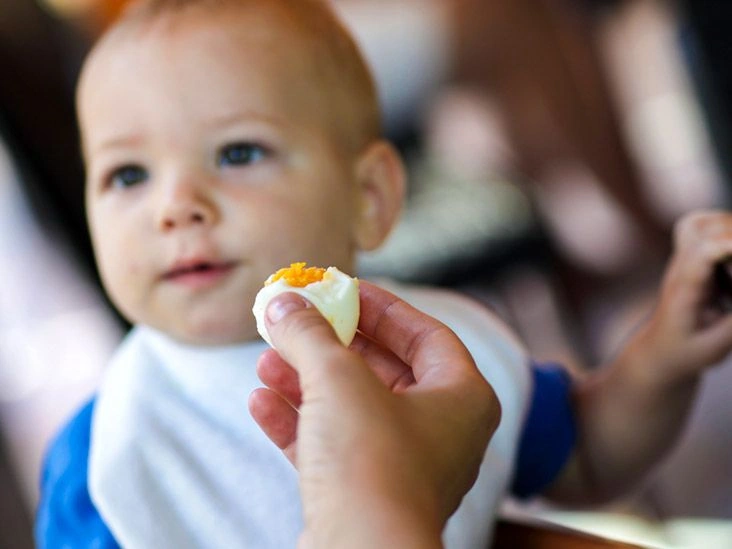
When can babies eat eggs?
Eggs, which are rich in protein, are an affordable and adaptable food. You can fry, boil, scramble, or poach them to suit your baby’s preferences.

Previously, doctors advised delaying eggs in an infant’s diet because of allergy worries. Updated guidance indicates that in many situations there’s no need for postponement.
You can introduce eggs as one of your baby’s early foods, while keeping an eye out for any allergic response or sensitivity.
Continue reading to learn about the potential benefits and hazards of offering eggs to your baby, plus tips for preparing eggs for young children.
Benefits of eggs
Eggs are easy to find at most supermarkets and farmers’ markets. They’re budget-friendly and quick to prepare, and they fit well into many meals for breakfast, lunch, or dinner.
Best of all, a whole egg provides roughly 70 calories and about six grams of protein.
The yolk, in particular, delivers notable nutrients. It contains approximately 250 milligrams of choline, which supports normal cell function.
Choline also assists liver health and the transport of nutrients throughout the body, and it may aid in your baby’s cognitive development.
The complete egg is a good source of riboflavin, vitamin B12, and folate, along with beneficial amounts of phosphorus and selenium.
What are the risks of eggs for babies?
Certain foods are common triggers for allergic reactions in infants and children, including:
- eggs
- dairy
- soy
- peanuts
- fish
Historically, pediatricians suggested waiting until after a child’s first birthday to offer the whole egg (yolk and white) because up to two percent of kids may be allergic to eggs.
The egg yolk lacks the proteins usually linked to allergic responses; the egg white, however, contains proteins that can trigger reactions ranging from mild to severe.
If a baby is sensitive to those proteins, they might show various symptoms.
Researchers once thought that introducing eggs too early increased allergy risk. A 2010 study involving nearly 2,600 infants found the opposite.
Infants who weren’t exposed to eggs until after their first birthday were more likely to develop an egg allergy than those introduced to eggs between 4 and 6 months.
Signs of an allergic reaction or sensitivity
With a food allergy, the body treats the food as harmful and mounts an immune response.
Some children’s immune systems are immature and may not tolerate certain proteins in egg whites. When exposed, they can become ill, develop a rash, or show other allergic symptoms.
Allergic reactions can affect the skin or the digestive, respiratory, or cardiovascular systems. Signs may include:
- hives, swelling, eczema, or flushing
- diarrhea, nausea, vomiting, or abdominal pain
- itching around the mouth
- wheezing, runny nose, or breathing difficulties
- rapid heartbeat, low blood pressure, or other heart-related issues
The intensity of symptoms depends on the child’s immune response and the quantity of egg consumed. In uncommon cases, a baby may experience anaphylaxis.
Anaphylaxis involves breathing trouble and a drop in blood pressure and is a medical emergency that requires immediate care.
Allergy susceptibility often runs in families. If someone in your household has an egg allergy, you may want to be cautious when introducing eggs to your baby.
If your infant has severe eczema, take extra care with eggs, since this skin condition is linked to an elevated risk of food allergies.
Many children eventually outgrow egg allergies. A large number of kids no longer react to eggs by about age five.
How to introduce eggs
Starting at about seven months, your baby should be consuming between one and two tablespoons of protein two times a day.
While current advice no longer mandates delaying eggs, you may prefer to consult your pediatrician about the best timing for your child.
When adding new foods, introduce them slowly and one at a time so you can monitor for reactions and identify the culprit if one occurs.
One common approach is the four-day wait. Offer eggs on day one, then wait four days before trying a different new food. If you observe any allergic or sensitivity signs, contact your pediatrician.
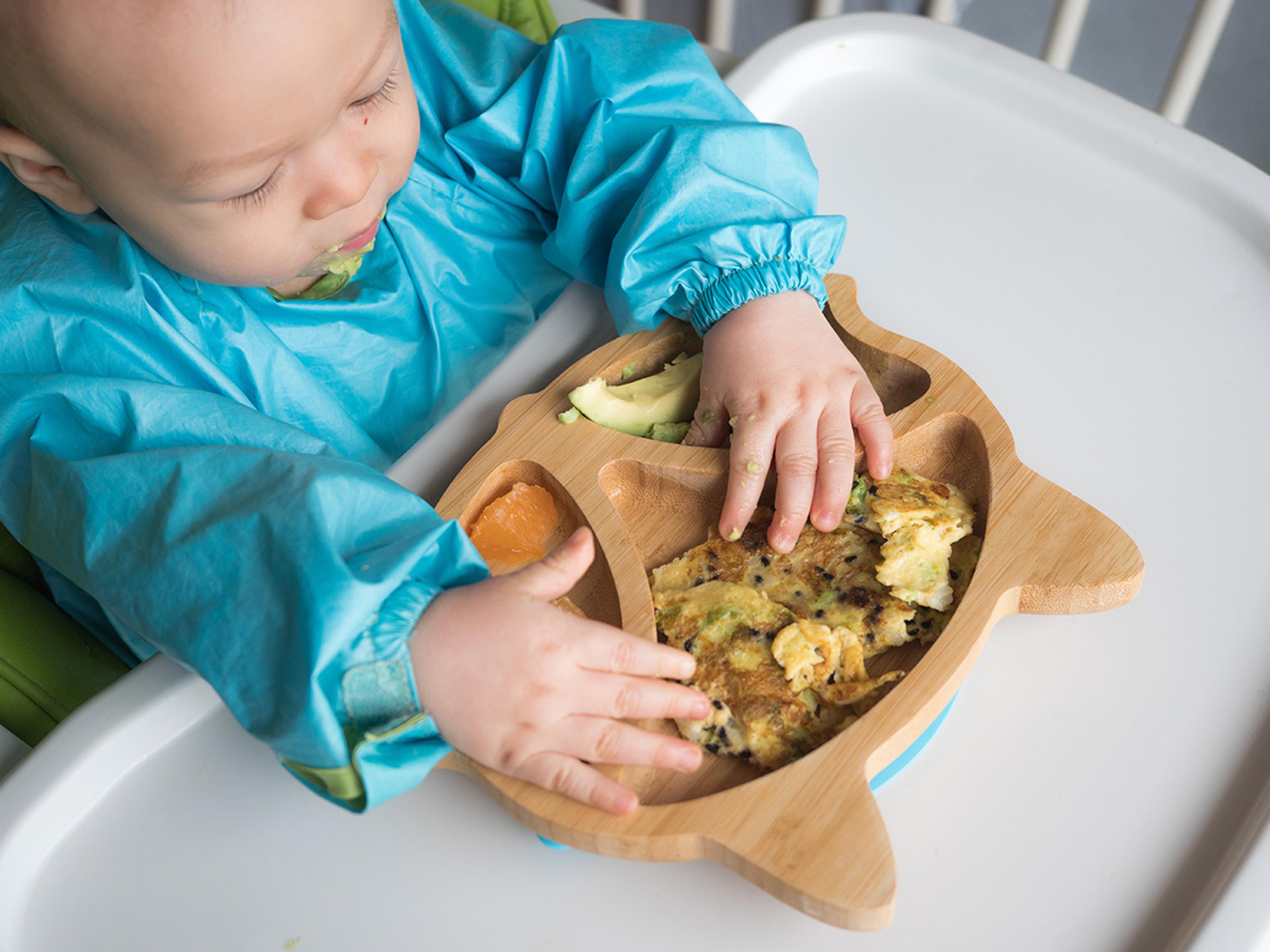
A safe way to begin is with yolks only. Below are ways to include egg yolk in your baby’s meals:
- Hard-boil an egg, remove the shell, separate out the yolk, and mash it with breast milk, formula, or whole milk (if over 1 year). As your baby accepts more textures, you can mash the yolk with avocado, banana, sweet potato, or other purees.
- Separate a yolk from a raw egg. Warm a skillet with oil or butter and scramble the yolk with breast milk or whole milk. You can fold in a tablespoon of a cooked vegetable puree already familiar to your child.
- Mix an egg yolk with half a cup of cooked oatmeal and fruits or vegetables, scramble until fully cooked, then cut or tear into small, graspable pieces.
When your child reaches one year or your pediatrician approves whole eggs, you can scramble the entire egg with breast milk or whole milk, or incorporate whole eggs into pancakes, waffles, and other baked items.
Soft omelets with tender vegetables and cheese are another tasty way to serve whole eggs.
Takeaway
Eggs are generally regarded as a safe early food for infants.
If there’s a family history of egg allergy or your baby has severe eczema, check with your pediatrician before offering eggs when starting solids.
Your pediatrician can advise on what’s best for your particular child.
If you suspect an egg allergy, remember that eggs appear in many baked products and other foods as a hidden ingredient. Read labels carefully as you expand your child’s diet. Also consider related information about eggshells benefits and risks when exploring egg-related topics.

















Leave a Reply
You must be logged in to post a comment.