

Eggshells rank among the most affordable and efficient calcium sources. You can either prepare your own eggshell supplements at home or purchase pre-made eggshell powder from health food stores.
Most people find it straightforward to get sufficient dietary calcium.
However, some individuals fall short of daily needs due to restrictive eating patterns, low food consumption or limited food access. For these people, inexpensive calcium options like eggshells can be helpful.
Additionally, using eggshells helps reduce kitchen waste, even if only modestly.
This piece examines the advantages and possible downsides of eggshell supplements.
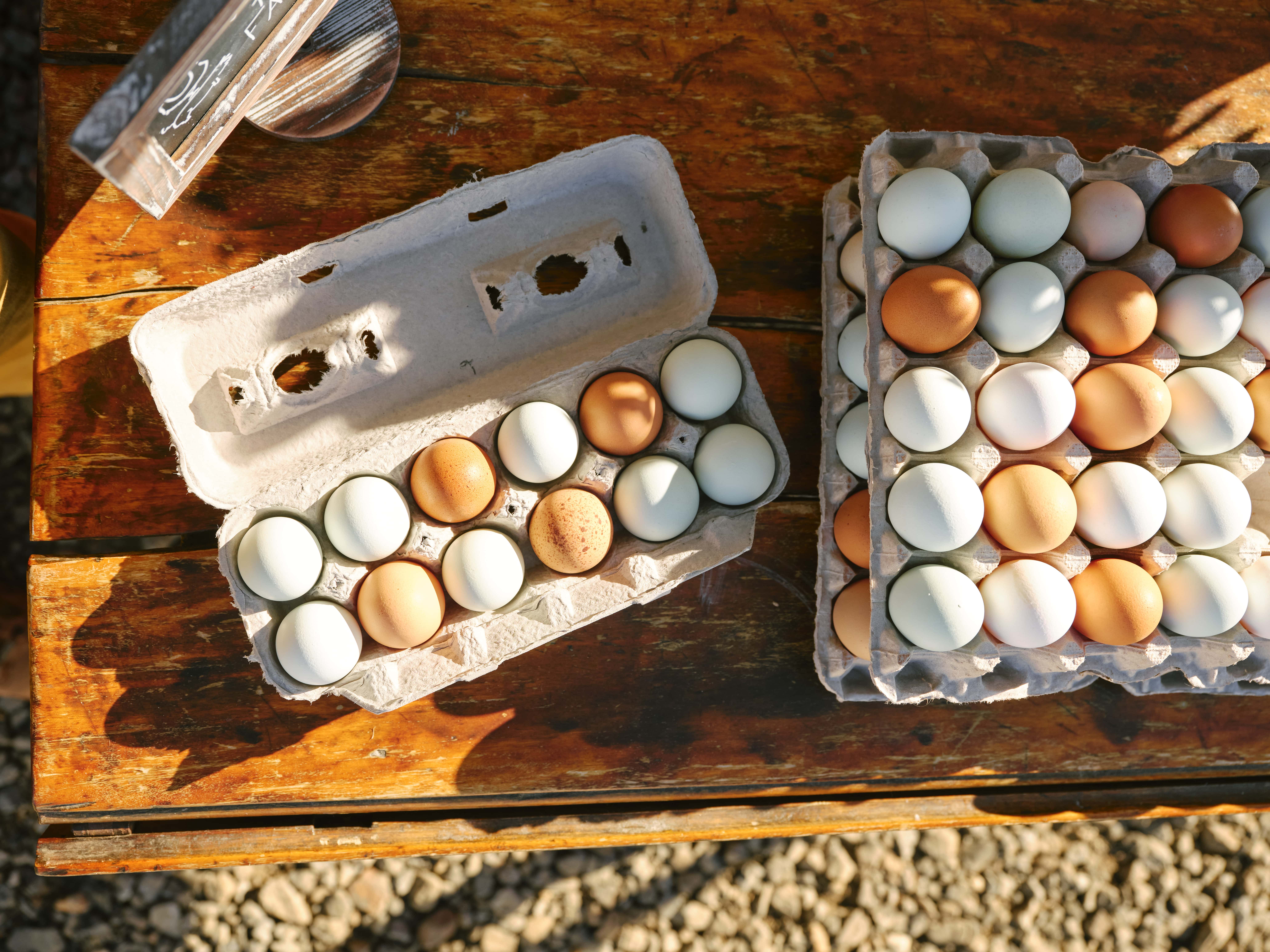
What Is an Eggshell?
An eggshell is the rigid outer layer of an egg. It is composed primarily of calcium carbonate, a prevalent form of calcium. Small amounts of protein and other minerals make up the remainder (1).
Calcium is an essential mineral present in many foods, especially dairy. Lower levels are also found in various leafy greens and root vegetables.
For decades, eggshell powder derived from hen eggs has been used as a natural calcium supplement. Eggshells contain about 40% calcium, with each gram supplying roughly 381–401 mg (2, 3).
Half an eggshell can supply a significant portion of an adult’s daily calcium needs, which are around 1,000 mg per day (2, 4).
Summary Eggshells are frequently used as a calcium supplement. Even half an eggshell may provide much of an adult’s daily calcium requirement.
Eggshell Powder Works Well as a Calcium Supplement
Eggshells are largely calcium carbonate, with minor amounts of protein and other organic constituents.
Calcium carbonate is the most widespread calcium form in nature, forming seashells, coral and limestone. It is also the least expensive and most commonly used form in supplements.
Animal studies in rats and piglets show eggshells are a rich calcium source. They appear to be absorbed as well as pure calcium carbonate (2, 5, 6).
Some research even suggests its uptake might surpass that of purified calcium carbonate supplements.
An isolated-cell study reported calcium absorption up to 64% higher from eggshell powder versus pure calcium carbonate, with researchers crediting certain eggshell proteins for this effect (1).
Beyond calcium and protein, eggshells include trace amounts of other minerals like strontium, fluoride, magnesium and selenium — nutrients that may contribute to bone health (3, 7, 8, 9, 10).
Summary Some evidence indicates the calcium in eggshell powder may be better absorbed than pure calcium carbonate, making it an effective supplement.
It Might Lower Osteoporosis Risk
Osteoporosis is a condition marked by fragile bones and heightened fracture risk. In 2010, it affected about 54 million older Americans (11).
Age is a major risk factor for osteoporosis, but insufficient calcium intake can also contribute to bone loss and eventual osteoporosis.
If your diet is low in calcium, supplements may help you meet daily targets. Eggshell powder is an inexpensive choice.
One trial in postmenopausal women with osteoporosis showed that eggshell powder combined with vitamin D3 and magnesium significantly increased bone strength by improving bone mineral density (12).
Eggshell powder may even outperform purified calcium carbonate in reducing osteoporosis risk.
A study of Dutch postmenopausal women reported that eggshell powder improved bone mineral density in the neck versus placebo, while purified calcium carbonate did not produce a significant improvement (13).
Summary Using eggshell powder may bolster bone strength in people with osteoporosis. Some research suggests it could be more beneficial than purified calcium carbonate supplements.
Eggshell Membrane Supplements Could Help Joints
The eggshell membrane sits between the shell and the egg white. It becomes apparent when you peel a boiled egg.
Although not technically the shell itself, the membrane typically adheres to it. When creating eggshell powder at home, you don’t need to remove the membrane.
Eggshell membrane is mainly protein, primarily collagen, and contains small amounts of chondroitin sulfate, glucosamine and other compounds.
The tiny quantities of these beneficial substances in the membrane make substantial effects on health unlikely.
Nevertheless, some trials indicate that regular consumption of eggshell membrane supplements may support joint health. Additional research is necessary to confirm their efficacy (14, 15, 16, 17).
Summary The eggshell membrane separates the shell from the egg white. Supplements derived from this membrane supply nutrients that may aid joint health.
Potential Hazards of Eating Eggshells
When handled properly, eggshell powder is generally safe. Still, there are a few precautions to observe.
First, avoid swallowing large eggshell shards as they can damage your throat and esophagus. The next section offers tips on grinding eggshells into a safe powder.
Second, eggshells can harbor bacteria like Salmonella enteritidis. To reduce foodborne illness risk, be sure to boil eggs before consuming their shells (18, 19).
Lastly, natural calcium supplements may contain measurable amounts of toxic metals such as lead, aluminum, cadmium and mercury (20).
That said, levels of these contaminants in eggshells are typically lower than in other natural calcium sources like oyster shells, and are generally not a major concern (3, 21).
Summary To avoid injury or infection, boil eggs and grind the shells into a fine powder before ingesting them.
How to Use Eggshells as a Supplement
You can either create your own eggshell supplements or buy ready-made eggshell powder from health food outlets.
Eggshell powder can be produced at home using a pestle and mortar. Some people report using a rolling pin, blender and sieve to remove larger pieces.
Always grind eggshells into a fine powder or very small particles before consuming.
If you plan to keep the powder for later, it’s wise to dry the shells thoroughly prior to crushing.
You can stir the powder into food or dissolve it in water or juice. One study suggested that bread, spaghetti, pizza and breaded fried meat are among the best foods to mix eggshell powder into (2).
About 2.5 grams of eggshell powder should roughly meet an adult’s daily calcium requirement.
To be prudent, limit your intake and avoid taking calcium supplements unless advised by a healthcare professional.
Some authorities discourage routine use of calcium supplements and question their benefits for bone health.
They also warn that excessive calcium intake can lead to problems like kidney stones and might increase cardiovascular risk (22).
Summary Eggshells can be powdered and mixed into food or drinks. A daily amount of roughly 2.5 grams should cover your needs, but consult a medical professional first.
Conclusion
Eggshells are not only one of the most economical calcium sources — they also seem to be among the most effective.
If you struggle to reach your calcium targets or have osteoporosis, homemade eggshell powder offers an inexpensive and efficient alternative to commercial supplements. For broader context on egg-sourced nutrients and how different eggs compare, see pastured vs omega 3 vs conventional eggs.
Research indicates eggshell calcium is well absorbed and may help strengthen bones in people with osteoporosis.
Making eggshell powder at home is straightforward: boil and dry the shells, then crush them with a pestle and mortar and mix the resulting powder into water or food.





















Leave a Reply
You must be logged in to post a comment.