What to Know About Injectable Migraine Medications


Injectable migraine medications can play a key role in both preventing migraine episodes and easing symptoms once an attack begins. Most injectable therapies are designed for long-term migraine prevention, though a few are used to quickly stop symptoms in their tracks.

Options for injectable migraine treatment include well-established medications like sumatriptan (Imitrex) as well as newer therapies such as calcitonin gene-related peptide (CGRP) inhibitors. These injectable medications can either reduce the intensity of symptoms during an active migraine attack or decrease how often attacks occur. Each drug works through a slightly different mechanism in the body, which is important when comparing choices like Nurtec vs Ubrelvy vs Qulipta and injectable alternatives for comprehensive migraine management.
CGRP injections for migraine prevention
In 2018 , the Food and Drug Administration (FDA) approved the first CGRP medication. This marked the first time a drug was specifically developed to prevent episodic and chronic migraine, rather than being repurposed from another condition.
CGRP is a protein found in the brain and nervous system. When its levels rise, it may trigger a migraine attack by promoting inflammation and pain signaling. CGRP inhibitors reduce the amount of CGRP circulating in the body by blocking the protein from attaching to CGRP receptors. By interrupting this pathway, these medications help lower the likelihood of migraine onset.
Research indicates that CGRP medications can decrease:
- how often migraine attacks occur
- the total number of headache days per month
- the need for additional rescue medications during an attack
Three CGRP therapies are available as self-administered injections for migraine prevention. Each comes in a prefilled autoinjector pen. You simply place the device against your skin and press a button to deliver the dose.
Erenumab (Aimovig)
Erenumab (Aimovig) is a once-monthly self-injection taken at home. Many people notice improvement within the first month of therapy.
Research shows that erenumab can reduce the number of severe headache days per month by 50%.
To sustain these benefits, you must continue monthly injections as prescribed.
Fremanezumab (Ajovy)
Fremanezumab (Ajovy) is also administered at home, either once monthly or once every 3 months depending on the dosing schedule. Many patients report noticeable improvement after the first month.
Studies demonstrate that fremanezumab can reduce overall monthly headache days by 63%.
Ongoing treatment is required to maintain symptom control.
Galcanezumab (Emgality)
Galcanezumab (Emgality) is another once-monthly injection you can administer yourself. Improvement is typically seen within the first month, although some individuals experience relief as early as the first week.
Research indicates that galcanezumab not only lowers the frequency of migraine days but may also ease associated symptoms such as nausea and sensitivity to light. Continued monthly use is necessary to preserve results.
Eptinezumab (Vyepti)
Eptinezumab (Vyepti) is a CGRP monoclonal antibody shown to decrease both the number of headache days and the severity of pain.
Unlike other CGRP therapies that are injected at home, eptinezumab is delivered through an intravenous (IV) infusion. The infusion lasts about 30 minutes and is given once every 3 months. Research suggests it is well tolerated, with relatively few side effects reported.
If you prefer noninjectable options, certain CGRP medications are available in oral or nasal spray forms. Comparing oral agents like those discussed in Nurtec vs Ubrelvy effectiveness may help you and your doctor determine the most suitable approach.
Botox injections for migraine prevention
Botox is another injectable therapy approved for chronic migraine prevention. A healthcare professional administers Botox injections into specific areas of the forehead and neck. It works by blocking the release of chemicals involved in transmitting pain signals.
It may take several treatment cycles over as long as 6 months to achieve maximum benefit. The effects typically last 10–12 weeks, so repeat injections are required to maintain migraine control.
Consult a doctor to see whether Botox injections are appropriate for your migraine prevention plan.
Injections for migraine treatment
Some injectable medications are used to relieve symptoms during an active migraine attack. These include sumatriptan and dihydroergotamine.
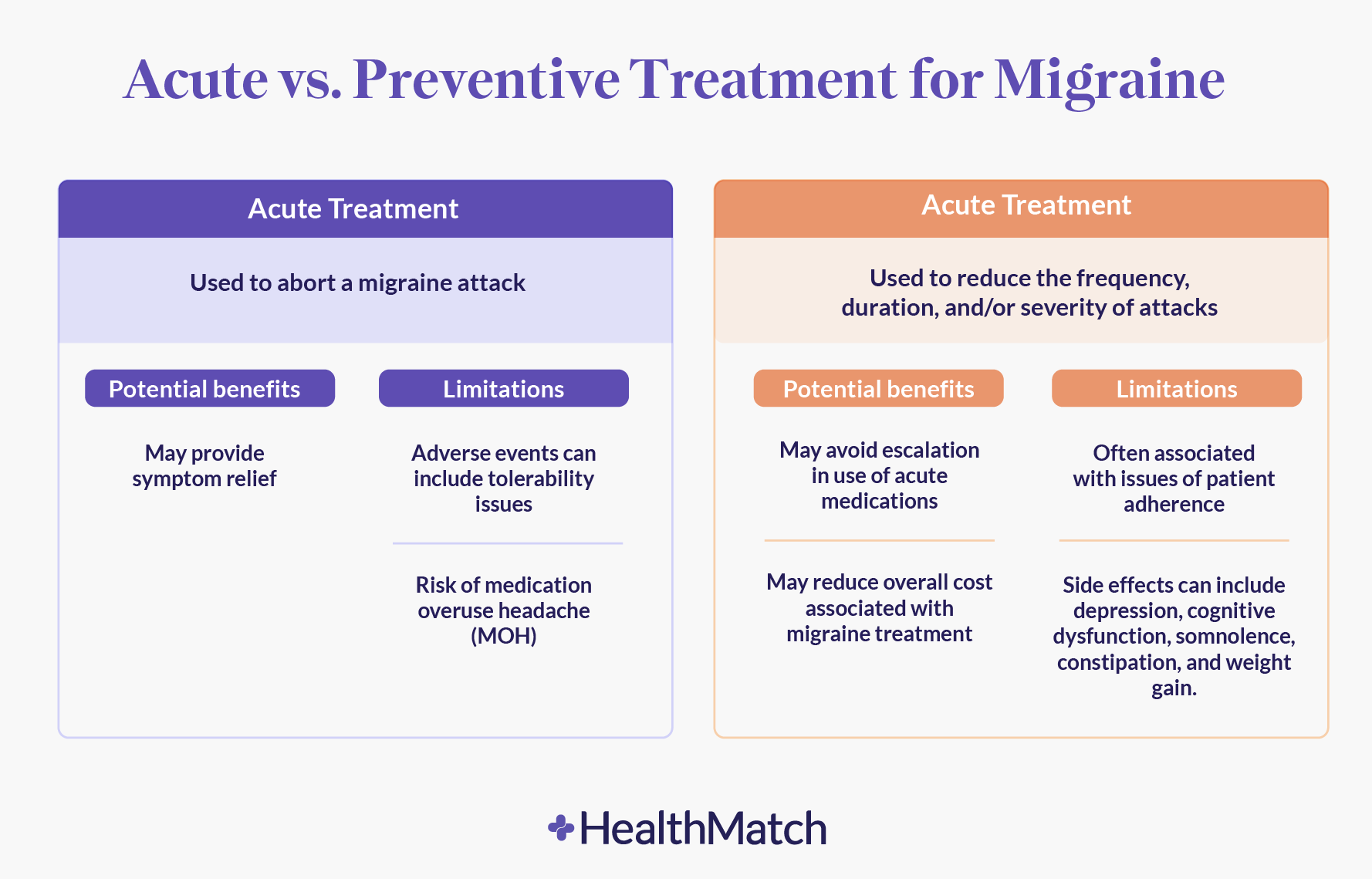
These drugs constrict blood vessels, helping to reduce migraine pain. They are intended for as-needed use to provide rapid symptom relief and are not designed for ongoing prevention.
Other options
While injectable CGRP therapies focus on prevention, certain CGRP antagonists can also treat acute migraine attacks. These are generally taken as oral medications rather than injections and are used only when symptoms arise.
Examples include:
- atogepant (Qulipta)
- rimegepant (Nurtec)
- ubrogepant (Ubrelvy)
Zavegepant (Zavzpret) is another CGRP medication administered as a nasal spray for acute migraine relief. When weighing oral choices, many people compare Nurtec vs Ubrelvy vs Qulipta based on effectiveness, side effects, and convenience. Cost considerations are also important, and reviewing information about Nurtec vs Ubrelvy cost can provide additional insight into affordability.
Potential side effects
Injectable therapies for migraine prevention may cause side effects, although they are typically mild. For many individuals, the benefits of fewer migraine days outweigh these risks.

CGRP medications are generally well tolerated. The most frequently reported issue is injection site pain. Other possible side effects may include constipation, fatigue, nausea, or upper respiratory tract infection.
The most common side effect of Botox injections is temporary soreness at the injection sites. Applying an ice pack after treatment may help reduce discomfort.
Costs of injectable migraine medications
Without insurance, injectable migraine treatments can be expensive.
Your out-of-pocket expense depends on several factors, including insurance coverage, prior authorization requirements, and whether you must try other medications first. Manufacturer savings programs and coupons may help lower overall costs.
When comparing preventive injections with oral treatments in discussions of Nurtec vs Ubrelvy vs Qulipta, it’s helpful to consider not only clinical effectiveness but also insurance coverage and long-term affordability.
Takeaway
A range of medications is available to both treat acute migraine symptoms and prevent future attacks. Injectable options such as CGRP inhibitors and Botox can significantly reduce the frequency and severity of migraine for some individuals. Work closely with a healthcare professional to determine whether injectable therapies or oral options like those in the Nurtec vs Ubrelvy vs Qulipta comparison are best suited to your specific migraine treatment plan.
Important Questions
Injectable migraine medications are primarily divided into two categories: preventive therapies and acute treatments. Preventive options include CGRP inhibitor injections (like Aimovig, Ajovy, Emgality) and Botox, which aim to reduce the frequency and severity of migraine attacks over time. Acute treatments, such as sumatriptan injections, are used to relieve symptoms during an active migraine attack.
CGRP (calcitonin gene-related peptide) injections work by blocking the CGRP protein or its receptors. CGRP is involved in triggering migraine pain and inflammation. By inhibiting its activity, these medications reduce the likelihood of migraine onset, decreasing the number of monthly headache days and the need for rescue medications.
The administration frequency varies by medication. Most CGRP inhibitors like Aimovig and Emgality are self-injected once a month. Ajovy can be taken monthly or once every three months. Botox injections are administered by a healthcare professional approximately every 10 to 12 weeks. Eptinezumab (Vyepti) is given as an IV infusion once every three months.
Injectable migraine therapies are generally well-tolerated. The most common side effect for CGRP inhibitors is mild pain or reaction at the injection site. Other possible effects include constipation, fatigue, or nausea. Botox injections may cause temporary soreness at the injection sites. Side effects are typically mild compared to the benefits of reduced migraine days.
Without insurance, injectable migraine treatments can be costly. CGRP inhibitor injections may cost around $7,000 per year. Botox treatment sessions can cost up to $600 each. Actual out-of-pocket expenses depend on insurance coverage, prior authorization, and available manufacturer savings programs or coupons.
Read Next

Dieta cetogénica: Una guía detallada para principiantes sobre la dieta cetogénica

Apretude Injection Price: What You Need to Know

8 Surprising Health Benefits of Cloves

What Is Annatto? Uses, Benefits, and Side Effects

Is Ovaltine Healthy? All You Need to Know

How Many Calories Are Burned on an Elliptical in 30 Minutes?
Related Posts

What's the Difference Between Kosher and Halal Diets?
Aug 22, 2026 • 34 min read
What Is Wormwood, and How Is It Used?
Aug 5, 2026 • 33 min read
Arbonne Diet Review: Overview, Effectiveness, and More
Aug 9, 2026 • 22 min read
The 20 Best Low Carb Vegetables (Plus 1 Great Low Carb Fruit)
Aug 30, 2026 • 30 min read
6 Nutritious Benefits of Eating Cantaloupe
Aug 29, 2026 • 6 min read